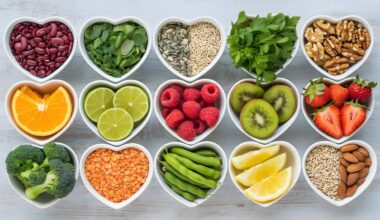

Supplements to Consider for Pre-Workout Strength Nutrition
When aiming for optimal strength during training, the choice of supplements can significantly influence performance and recovery. A popular choice is protein powder, which aids muscle repair and growth. Protein supplementation often comes from whey, casein, or plant sources. Creatine is another essential supplement, renowned for enhancing strength and power by increasing adenosine triphosphate (ATP) production. This naturally occurring substance allows for better energy management during high-intensity workouts. Beta-alanine is also widely recommended; it may help delay muscle fatigue by buffering lactic acid accumulation. Branched-chain amino acids (BCAAs) are valuable for preventing muscle breakdown. They provide readily available energy and promote muscle repair when consumed before workouts. Additionally, caffeine is commonly utilized to boost focus and energy, directly affecting performance. Research supports its effectiveness in enhancing endurance training metrics and strength output. It’s crucial to consider individual tolerance levels when consuming caffeine. Lastly, ensure to stay well-hydrated, as dehydration can impair overall performance. Combining these supplements with a balanced pre-workout meal can help maximize gains, making them vital for serious athletes seeking strength improvement.
Importance of Timing and Dosage
Equally important is the timing and dose of each supplement for optimizing strength training results. Consuming protein shake roughly 30-60 minutes before your workouts can ensure your muscles receive essential amino acids during training. For creatine supplementation, following a loading phase of about 20 grams daily for a week, then tapering to 3-5 grams daily improves muscle storage levels effectively. Caffeine is best consumed around 30 minutes before training, as this allows the body enough time to process it for energy enhancement. Caffeine dosesvary, but aiming between 3-6 milligrams per kilogram of body weight is common practice. Beta-alanine should be taken consistently, rather than solely pre-workout, as its benefits arise from accumulated levels in muscle tissue. Aim for approximately 4-6 grams per day divided into smaller doses for optimal results. Likewise, BCAAs can be consumed before, during, or after workouts, depending on individual needs. Understanding your body’s specific responses can guide your supplement timing and dosage. Finally, hydration remains crucial; water is paramount for overall performance and to counteract potential negative effects of supplements.
An often-overlooked aspect of pre-workout nutrition is the role of carbohydrates, specifically in combination with these supplements. Carbohydrates serve as a vital energy source, fueling intense strength sessions. Consider incorporating complex carbohydrates, such as whole grains or oats, into your pre-workout meal. By doing so, you provide your body with a sustained energy source necessary for prolonged workouts. Simple carbohydrates, like fruits or honey, can offer immediate energy if consumed shortly before exercising. Pairing protein with carbohydrates post-workout further enhances recovery; proteins support muscle repair while carbs replenish glycogen stores. Be mindful of what and when you eat; timing food intake is critical for maximizing energy levels and optimizing performance. Additionally, personal preferences and tolerances will influence the effectiveness of your pre-workout meal. It may take some experimentation to find a routine that maximizes your results. Ultimately, finding the perfect balance of protein, healthy fats, and carbohydrates in your meals, while incorporating targeted supplements, will enhance your training outcomes. Tailoring your pre-workout nutrition to your personal goals significantly impacts strength training success.
Tailoring Pre-Workout Meals
Tailoring pre-workout meals to your specific needs is of utmost importance for athletes focused on strength training. You should consider personal factors, such as workout intensity, duration, and individual energy requirements. A well-balanced pre-workout meal rich in protein, carbohydrates, and healthy fats is ideal to develop a solid foundation for successful workouts. For example, a meal could consist of oatmeal topped with protein powder and fruits. Alternatively, a smoothie made with yogurt, spinach, and banana is another strong option. Meal planning can be pivotal when choosing pre-workout foods; creating a variety of nutritious options ensures you’ll remain satisfied and energized. Experiment with various combinations to see what works best for your digestive system and energy levels. Understanding the importance of glycemic index could also aid in selecting carbohydrate sources; low-GI foods may provide sustained energy, while high-GI options offer quick fuel. Furthermore, portion sizes play a crucial role, as overly large meals can lead to discomfort during workouts. Listen to your body and adjust your intake accordingly. Remember that consistency in meal planning ultimately leads to better performance.
Hydration is another vital aspect of pre-workout nutrition offerings. Maintaining adequate fluid intake can directly influence performance and recovery in challenging strength training sessions. Aim to drink water throughout the day, rather than just during workouts, to keep optimal hydration levels. For those engaging in longer workouts or training in hot environments, electrolyte supplementation can help replenish lost minerals due to sweating. In such cases, consider sports drinks or electrolyte tabs; they provide hydration while also supplying vital nutrients. Personalized fluid intake amounts depend on individual sweat rates and duration of the workout. Monitoring indicators such as urine color can help gauge hydration levels effectively. Additionally, consuming fluids with your pre-workout meal can aid digestion and promote effective nutrient absorption. A well-hydrated body maintains energy levels and allows for peak performance during strength training sessions. It’s important to remain vigilant regarding hydration, as even mild dehydration can lead to decreased strength and endurance. Keep a water bottle handy to remind yourself to stay hydrated throughout your workout schedule, ensuring you maximize training benefits and overall health.
Potential Risks and Considerations
While supplements can offer various benefits to strength training, it’s essential to recognize potential risks and considerations involved in their use. Firstly, supplements should never replace whole foods as a primary source of nutrition. Relying excessively on supplements can lead to nutrient deficiencies over time. Therefore, prioritize a balanced diet and use supplements as a strategic addition to your nutrition plan. Additionally, talking to a healthcare professional before beginning any new supplement regimen is always recommended. They can help assess if the chosen supplements align with your specific goals or health conditions. Some supplements may interact negatively with prescription medications or exacerbate existing health issues. Moreover, individual response to supplements varies widely; what works for one athlete may not necessarily yield the same results for another. Start with lower doses to assess tolerance and effectiveness, then gradually increase as needed based on performance and recovery results. Finally, stay informed about the sources of your supplements. Choose reputable brands to ensure product safety. Understanding both the benefits and limitations can help you better navigate the complex world of pre-workout nutrition.
Over time, many athletes have turned to alternative options for pre-workout nutrition in addition to traditional supplements. Natural food sources such as bananas or apples can provide quick energy and fueling benefits. Nut butter can offer a dose of protein along with healthy fats, creating a satisfying pre-workout option. Yogurt, rich in protein and probiotics, supports gut health while also aiding digestion. Incorporating light meals, like egg whites with whole-grain toast, can supply both protein and essential carbohydrates. Seeds or trail mixes can offer energy-dense snacks if you prefer something portable. Assessing personal preferences allows flexibility when selecting pre-workout options. Understanding digestion times can help you time these options effectively; as a rule of thumb, aim for solid meals 2-3 hours before workouts and snacks 30-60 minutes beforehand. These alternative options create a sustainable pre-workout routine that may suit various lifestyles and schedules. Consistency is key; regularly fueling energy levels with healthy choices will support both performance and recovery. Balance, experimentation, and listening to your body allows you to find the most effective strategy for your strength training.
Conclusion and Overall Strategy
In conclusion, a well-thought-out approach to pre-workout nutrition can significantly enhance strength training performance. Understanding the role of supplements like protein powder, creatine, beta-alanine, BCAAs, and caffeine is essential for developing a tailored routine. While supplements undoubtedly contribute to overall training success, remember that balance, optimal timing, and proper hydration play equally crucial roles. Crafting tailored pre-workout meals considering personal preferences allows for a sustainable and effective approach to nutrition. Monitoring your body’s responses also gives valuable insights into necessary adjustments. Be cautious regarding potential risks and ensure you consult healthcare professionals for personalized guidance. Additionally, explore alternative natural food options alongside traditional supplements. Incorporating healthy whole foods enriches your approach, providing nutritional benefits while minimizing reliance on supplement use. Through careful planning, balance, and adaptation, you can create a comprehensive pre-workout strategy that aligns with your strength training objectives. This process ultimately enhances both performance and recovery, making it easier to achieve your fitness goals efficiently.