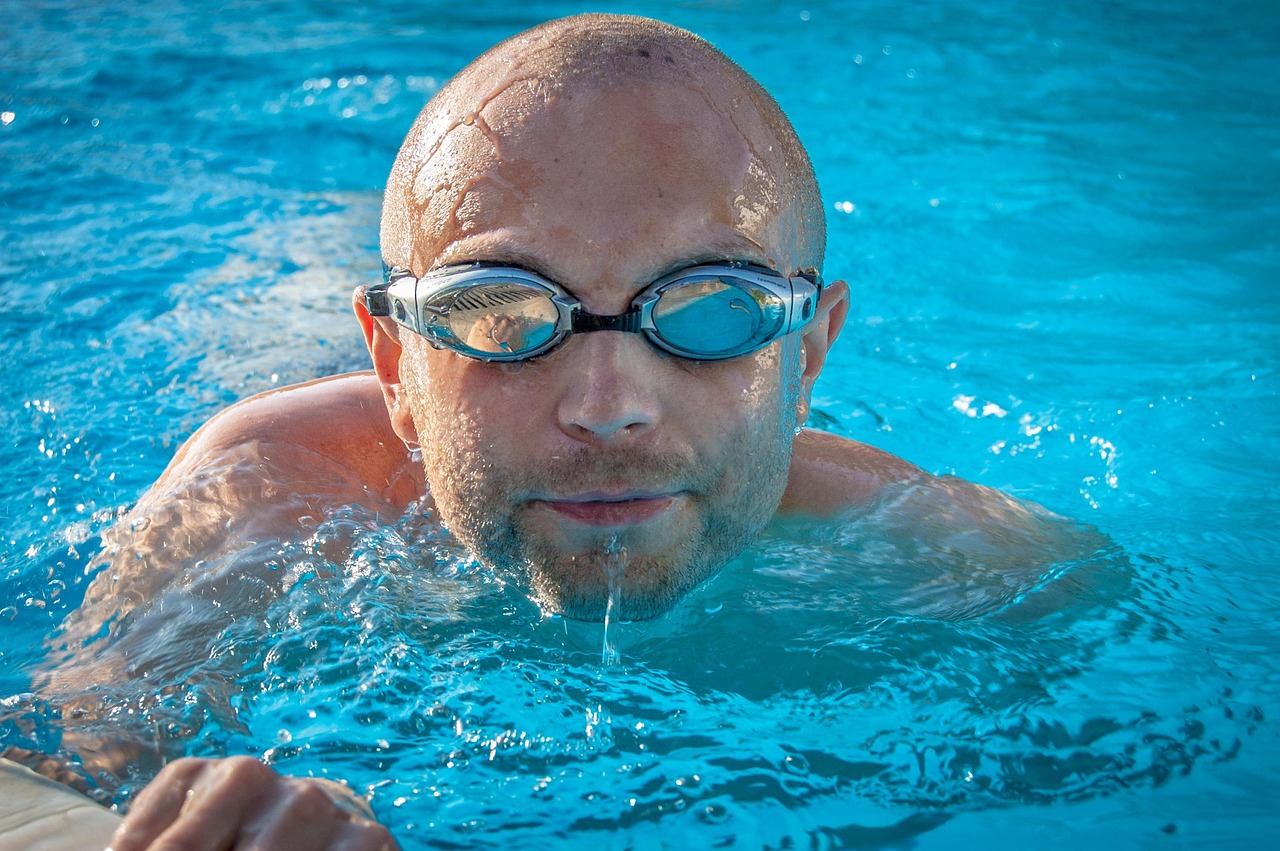

Swimming for Mental Clarity and Focus
Swimming is not only a physical activity but also a powerful tool for enhancing mental health. Engaging regularly in swimming can lead to better cognitive function and clarity of thought. Numerous studies have shown that exercising in water helps to release endorphins, the body’s natural mood lifters. This release helps to alleviate anxiety and stress. Additionally, being in the water allows for a distraction-free environment, further promoting focus and meditation-like states. Swimmers often report a sense of tranquility and reduced mental fatigue after their swimming sessions. The rhythmic movements involved in swimming can induce a trance-like state, leading to a deeper level of relaxation. Furthermore, the repetitive nature of swimming strokes helps quiet the mind, making it easier to reflect on thoughts or even solve complex problems. In essence, swimming serves to create a sanctuary for one’s mental well-being. Incorporating swimming into your routine can yield significant improvements in your mental health, providing you with the clarity you need to tackle daily challenges effectively. It is a holistic approach to achieving balance between body and mind.
Swimming is a fantastic way to clear your mind. The combination of focused breathing and the repetitive strokes in swimming creates a meditative state that’s incredibly beneficial. Many people struggle with maintaining focus in today’s fast-paced world. However, when confronted with the calmness of water, distractions fade away. Water has unique properties that promote relaxation and healing. Swimmers often experience reduced levels of cortisol, the stress hormone, leading to improved attention spans and productivity. Engaging in swimming can be particularly advantageous for individuals battling anxiety or depression. The soothing flow of water allows you to immerse yourself in your movements and thoughts, resulting in less mental clutter. Moreover, swimming’s low-impact nature makes it accessible to countless individuals regardless of their fitness levels. Whether you are a seasoned athlete or an absolute beginner, swimming can be tailored to your ability. Aim for consistent sessions each week to tap into the mental benefits regularly. Soon enough, you will find that your daily worries feel lighter, making swimming an essential part of your lifestyle for mental clarity.
The Connection Between Swimming and Mental Health
A strong connection exists between swimming and improved mental health outcomes. Physical exercise is known to release neurotransmitters, including serotonin and dopamine, which play critical roles in mood regulation. Water-based exercises offer unique advantages since they can reduce joint stress while maximizing the cardiovascular benefits of traditional workouts. Engaging in swimming helps individuals build resilience and mental strength. When you increase your stamina through swimming, you also promote a sense of accomplishment that boosts self-esteem. Furthermore, swimming often takes place in social settings, which can foster a sense of community. This connection to others can further enhance one’s mental state through shared experiences. Regular swimming sessions encourage social interaction, which is especially valuable for those experiencing isolation. The unique environment of a pool or a lake allows people to connect not just with others but also with themselves and nature. Incorporating group swimming classes or joining local swimming clubs can aid in enhancing social ties as you collectively work towards mental wellness. Ultimately, incorporating swimming into daily routines can bridge the gap between physical and mental empowerment.
Mindfulness is another aspect of swimming that greatly supports mental clarity. When you swim, your attention shifts entirely to your body’s movements and the rhythm of your breathing. This encourages mindfulness—bearing witness to your thoughts and feelings without judgment. Many swimmers report enhanced clarity in their thinking during and after a swim. It can provide a sense of escape from the bustling thoughts that often plague everyday life. Practicing mindfulness in the water can also help reduce feelings of overwhelm. In turn, this practice allows for increased focus and emotional regulation outside of the pool. Breathing techniques used while swimming can be profound on a psychological level, promoting deep relaxation in both mind and body. Mindfulness developed during swimming can be carried into daily activities, yielding long-term mental health benefits. As you regularly swim, build this connection to mindfulness to strengthen your mental resilience. It becomes a routine that nurtures all aspects of your life, ultimately leading to more stable emotional wellness. Swimming, therefore, is much more than an exercise—it’s a comprehensive approach to enhancing mental clarity.
Setting Goals: The Motivation to Swim
Setting goals within your swimming routines can foster motivation and simultaneously enhance mental health. Goals provide direction and purpose, adding depth to the swimming experience. Decide on what you want to achieve by swimming consistently. It may include improving your speed, increasing your distance, or focusing on technique. These targets keep swimmers accountable, providing measurable progress that reinforces mental strength and resilience. The satisfaction of achieving these goals translates to increased self-efficacy. As you witness personal improvements, a sense of control emerges, combating feelings of helplessness common in stressful situations. Moreover, being part of a swimming community encourages goal-sharing and supports accountability through collective motivation. Celebrate both small and monumental achievements alike with peers to cement a sense of accomplishment. This culture of encouragement allows swimmers to share strategies and techniques, cultivating a nurturing environment. Establishing goals will not only enhance your swimming performance but also contribute significantly to your mental well-being. Treat your swimming journey as an opportunity for growth, allowing goal-setting to empower you to make strides toward better overall health.
Swimming can also serve as an effective tool for stress management. Water has a naturally soothing quality, and immersing yourself in it can instantly help dispel the stress accumulated throughout the day. Many swimmers find that the repetitiveness of strokes fosters a tranquil setting, allowing them to release pent-up emotions effectively. Stress, if left unaddressed, can lead to various mental health issues, making it imperative to find healthy ways to cope. Swimming allows individuals to channel their emotions and redirect negative energies into a positive outlet. Creating a routine of swimming can also help establish stability in your life. Setting aside designated times for swimming promotes a structured schedule that enhances productivity while promoting downtime for mental recovery. Guidelines suggest swimming for at least a few times a week to maximize benefits. As swimmers become engaged with their routines, they are more likely to adopt healthier lifestyles in other areas, including nutrition and sleep, which further contributes to stress reduction. Thus, swimming develops a holistic approach to well-being, significantly improving one’s mental resilience.
Conclusion: Embracing Swimming for Mental and Physical Wellness
With its myriad benefits, swimming should be embraced not only as a form of exercise but also as a fundamental aspect of mental wellness. The relationship between swimming and mental clarity is evident and scientifically backed, providing numerous advantages for maintaining psychological health. Opportunities for self-reflection, mindfulness, and community engagement emerge when one immerses themselves in the swimming experience. By committing to regular swimming workouts, individuals can enjoy a natural escape from the daily grind, improving emotional well-being along the way. Cultivating the habit of swimming consistently nurtures resilience, confidence, and mental fortitude. Furthermore, a focus on both technique and goal-setting will only heighten these benefits over time. So whether you swim in a pool, lake, or ocean, remember its capabilities for myriad mental enhancements. Make swimming an essential part of your routine for both physical and mental wellness. Ultimately, make each swim count toward both body and mind, recognizing the gift of tranquility and clarity. Embracing this relationship can reshape your outlook on life and lead to lasting improvements.
This is another paragraph with exactly 190 words…