
Incorporating Virtual Reality in Adaptive Fitness for Neurological Conditions
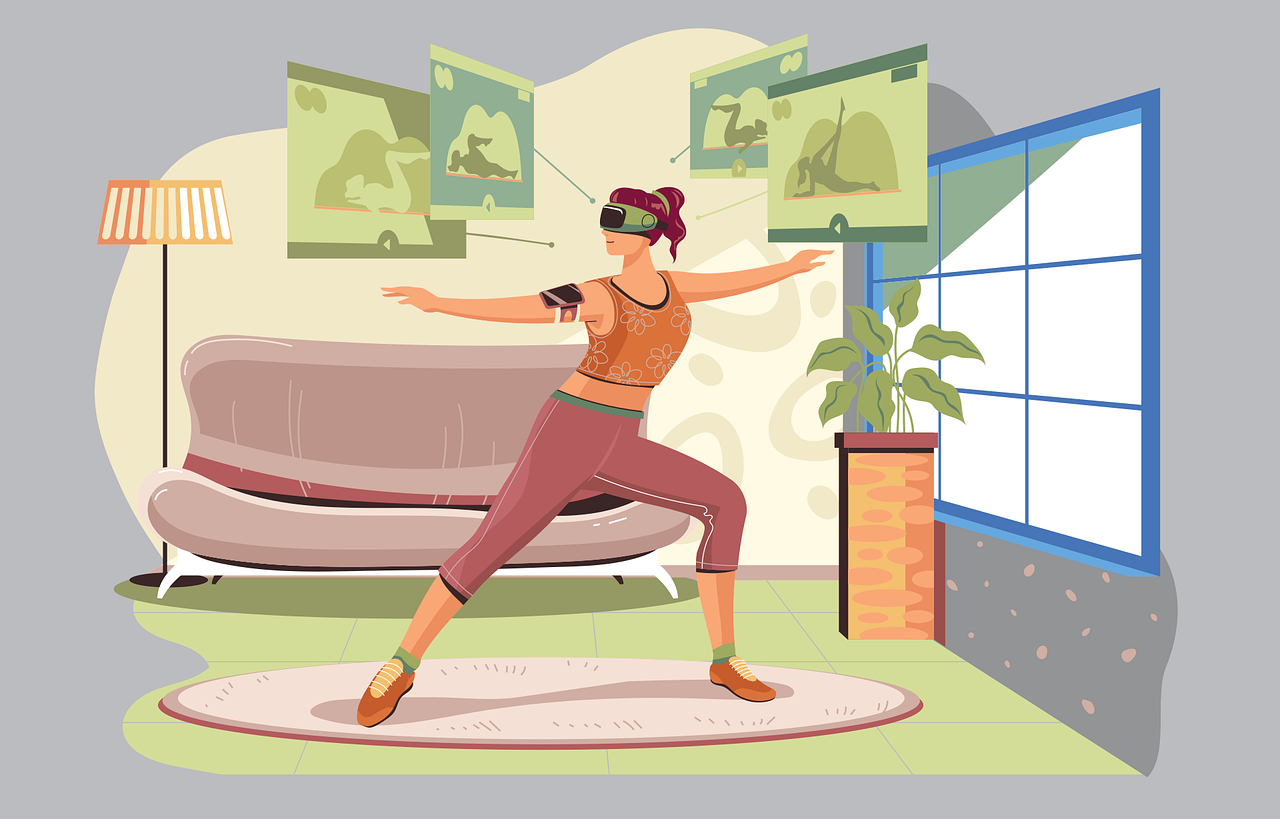
Virtual reality (VR) technology has increasingly been adopted in various fields, including healthcare, education, and fitness. In the context of adaptive fitness, particularly for individuals with neurological disorders, VR presents unique opportunities to enhance physical activity engagement. Research indicates that VR can create immersive environments that motivate individuals to participate in strenuous activities, which may otherwise seem overwhelming. By utilizing VR, adaptive fitness programs target a range of neurological conditions, such as stroke, Parkinson’s disease, or multiple sclerosis. These immersive experiences can help improve not only physical strength but also cognitive function and emotional well-being. Additionally, VR environments often feature customizable elements, allowing personalization according to individual needs, preferences, and limitations. Consequently, incorporating VR can create tailored adaptive fitness experiences that improve the quality of life for participants experiencing neurological disorders. Stakeholders in the fitness industry ought to recognize the potential of such technologies to democratize access to fitness resources for affected individuals, making engaging workouts accessible to everyone.
One of the significant advantages of using VR in adaptive fitness is the ability to simulate real-world environments and challenges. By immersing users in thoughtfully designed landscapes filled with real-world tasks, these environments encourage individuals with neurological disorders to push their limits. VR applications can adapt to different physical capabilities and timing, catering to a wide range of participants. As a result, users can work at their preferred pace without feeling pressured or overwhelmed. Moreover, the gamified aspects of many VR environments foster competition and satisfy the desire for achievement. Individuals can track their performance metrics, compare results, and set personal goals with ease. Due to the positive reinforcement associated with this technology and the creativity of VR games, users may find they experience fewer feelings of fear and anxiety about failure. This aspect is crucial for participants with neurological disorders, who may struggle with low self-esteem or motivation. Ultimately, the unique combination of entertainment, engagement, and effective exercise presented through VR can significantly elevate the quality of adaptive fitness programs.
Assessing Effectiveness
Measuring the effectiveness of VR in adaptive fitness for neurological disorders involves multiple aspects that provide quantifiable and qualitative insights. Standardized assessments, such as the Berg Balance Scale or the 6-Minute Walk Test, can evaluate improvements in mobility and balance. Additionally, participants can undergo psychological assessments to gauge enhancements in motivation, confidence, and overall mental well-being. Conducting pre- and post-intervention evaluations allows fitness professionals to understand better how VR impacts patients holistically. Furthermore, using surveys and feedback sessions can help capture users’ experiences regarding fun, enjoyment, and satisfaction during their exercise routines. By collecting this data, adaptive fitness programs can refine their offerings, introducing innovative methods to maintain or enhance user engagement over time. Researchers also emphasize the importance of long-term follow-ups to determine sustained changes beyond the VR experience itself. An ongoing commitment to evaluating methods and results ensures the continuous development of adaptive fitness opportunities for individuals with neurological disorders, ultimately leading to better health outcomes.
Another critical aspect of incorporating VR into adaptive fitness programs is ensuring accessibility and user-friendliness. As individuals with neurological disorders often encounter physical limitations, the design of VR systems must prioritize ease of use. Developers should create intuitive interfaces and controls that accommodate a wide range of abilities, ensuring no one feels excluded from participation. Communication between developers, trainers, and healthcare professionals can further streamline this process, leading to VR systems that require minimal setup and can be utilized in various settings. Additionally, affordable VR solutions should be developed to make these technologies available to organizations serving individuals with limited resources. Investing in training for fitness professionals on the most effective ways to integrate VR can also enhance the participant experience. As the movement towards inclusivity in fitness continues, accessibility must remain a central focus for adaptive programs utilizing this innovative technology. Ultimately, promoting access to VR ensures that more individuals can experience the many benefits associated with adaptive fitness, regardless of their neurological circumstances.
Future Directions
The future of incorporating VR into adaptive fitness for neurological disorders appears vibrant and full of potential. One promising direction involves the integration of artificial intelligence (AI) into VR applications, providing personalized recommendations based on user performance and preferences. Through machine learning algorithms, VR systems can refine workout types, pacing, and intensity based on individual progress. This adaptability can ensure individuals remain challenged while experiencing the right level of engagement. Furthermore, collaborations between tech companies and healthcare providers can lead to the development of innovative programs designed specifically for neurological disorders. Such partnerships can identify specific needs and gaps within rehabilitation and fitness sectors, resulting in tailored solutions that address these issues effectively. Ongoing research will play a pivotal role in assessing these advancements, and capturing the unique experiences of individuals with varied neurological conditions will be critical over time. By recognizing both technological innovations and the needs of users, the future of adaptive fitness can embody inclusion, empowerment, and sustainable health improvements.
As practitioners look to implement VR in adaptive fitness for neurological conditions, training and continuous education will be essential. Ensuring fitness professionals are well-versed in the nuances of working with neurological disorders is crucial for successful implementation. Workshops and courses that focus on both VR technology and adaptive techniques can significantly enhance trainers’ capabilities, leading to better experiences for participants. This education could cover topics such as movement, anatomy, and specific challenges presented by different disorders. Furthermore, encouraging fitness professionals to stay updated on the latest research in both VR and adaptive fitness will support the evolution of best practices. By fostering a culture of continuous learning, adaptive fitness programs can remain at the forefront of innovation. Participants will benefit from knowledgeable trainers who can guide them through their fitness journeys with confidence. In turn, this creates an environment where users feel supported, understood, and encouraged to achieve their personal goals—each vital aspect of fostering success within adaptive fitness.
Conclusion
Incorporating virtual reality into adaptive fitness for neurological disorders offers enormous promise. By developing immersive environments that motivate participants, programs can promote increased physical activity levels while engaging users emotionally and mentally. As fitness professionals continue evolving their practices, collaboration among technologists, healthcare providers, and trainers is essential for optimizing these offerings. Ensuring accessibility should be paramount, with a focus on user-friendliness that accommodates varying abilities. As research evolves, comprehensive assessments will inform the best methods for incorporating VR into adaptive fitness for neurological conditions. Ultimately, the future holds possibilities for enhanced rehabilitation, quality of life, and improved overall health for those affected by neurological disorders. Ensuring personalized exercise experiences, coupled with emerging technologies, will lead to much-needed progress. By actively working together, the fitness and healthcare communities can unlock personalized solutions that empower individuals with neurological disorders. Thus, the journey towards inclusive health continues to gain momentum, ensuring that every person has the opportunity to explore the benefits of physical activity, wellness, and vitality in their lives.
In summary, the integration of VR into adaptive fitness initiatives represents a pivotal shift in how we approach exercise for individuals with neurological disorders. As this field continues to grow, embracing innovation will allow for more tailored, effective, and enjoyable fitness experiences. For people facing chronic neurological challenges, this means greater access to safe and engaging fitness options. With a focus on accessibility, continuous education, and evidence-based practices, adaptive fitness programs can become transformative. By prioritizing individual needs, leveraging the power of technology, and fostering collaborative approaches, we can look forward to a future where all individuals have the support necessary to improve their physical fitness and overall health outcomes significantly. As research progresses, we can anticipate even greater advancements in adaptive fitness services for people with unique challenges, ultimately paving the way for a healthier and more inclusive society. Together, we can redefine the fitness landscape by recognizing diversity and fostering empowerment, ensuring everyone can enjoy the benefits of physical activity in a supportive environment.