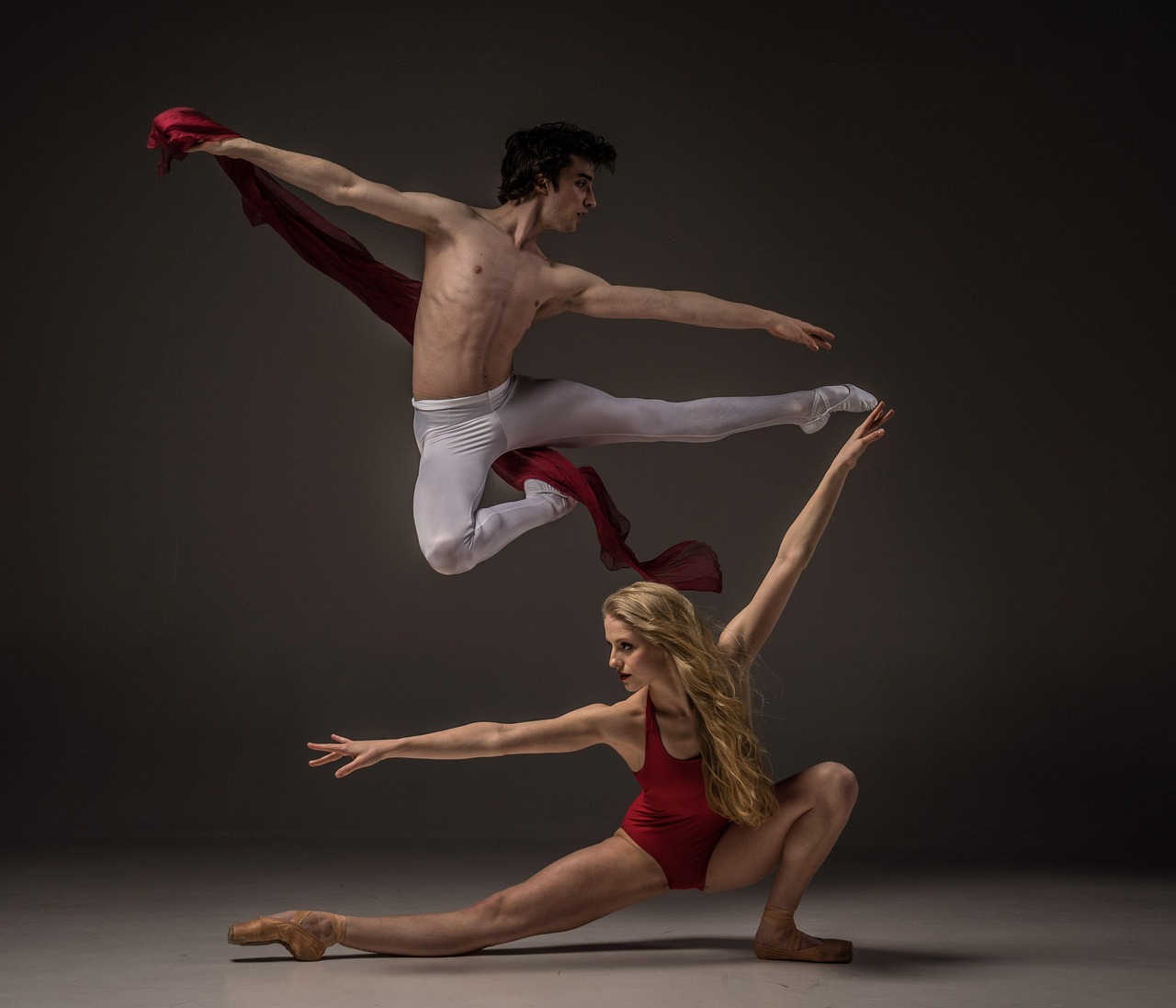

Improving Coordination Through Mind-Body Exercises
Coordination is a critical aspect of physical performance and overall health. It involves the ability to control the body’s movements efficiently, blending various physical aspects such as balance, agility, and reaction time. Mind-body exercises incorporate not just physical movement but also focus on mental engagement and awareness. These exercises cultivate a deeper mind-body connection, enhancing coordination skills. Activities such as yoga and tai chi are great examples, promoting fluid movements and enhancing proprioception. The varied postures stimulate the neuromuscular system, providing feedback that enhances motor coordination. Furthermore, engaging in these practices fosters relaxation, reducing stress and improving focus. Stress often interferes with coordination, making the mind-body approach beneficial in countering those effects. Regular practice can lead to better body awareness, improving overall athletic performance. Ultimately, mind-body exercises are not merely about physical movement; they also contribute to developing cognitive functions which enhance coordination. The combination of controlled movement and mindfulness makes these exercises powerful tools to improve coordination while fostering a greater awareness of body movements.
One of the key approaches to improving coordination through mind-body exercises is practicing stability and core strength. A strong core stabilizes your body during any movement, ensuring better control. Exercises such as planks, bridges, and balance beams are excellent for improving core stability. A stable core enhances the effectiveness of other movements and builds a solid foundation for various physical activities. Additionally, engaging in balance exercises, such as single-leg stands or using stability balls, challenges your body’s balance systems. When these systems work together, your overall coordination improves significantly. Consider incorporating Pilates into your workout routine. This method emphasizes core engagement and control, further enhancing your stability. Furthermore, movements in Pilates often focus on precise execution, engaging the mind, thereby enhancing coordination. As you progress in these exercises, it is crucial to maintain focus on form and technique to maximize benefits. Mindfulness during practice allows for a deeper understanding of body mechanics, positively impacting physical performance. Incorporating these exercises into your regular routine encourages a balanced development of strength, flexibility, and coordination that can significantly enhance both everyday activities and sports performance.
Benefits of Mind-Body Coordination Exercises
Engaging in mind-body exercises offers a wide range of benefits that extend beyond improving coordination. One notable advantage is the enhancement of cognitive function. As individuals practice various movements while simultaneously concentrating on form and balance, they stimulate brain activity. This cognitive engagement helps improve memory, focus, and decision-making abilities. Furthermore, mind-body exercises can help reduce anxiety and stress levels. When practicing centered movements, the mind is effectively calmed, therefore preventing distractions from achieving optimal performance. Additionally, muscle flexibility and joint health benefit greatly from these exercises. Better flexibility leads to improved range of motion, which promotes overall movement efficiency. Furthermore, engaging in such practices can aid in preventing injuries. Better coordination results in improved awareness of body positions and movements, reducing the risk of accidents. Another benefit is the positive impact on overall wellness and quality of life. Individuals who incorporate mind-body exercises often report higher energy levels and better mood regulation. This holistic approach allows individuals not only to enhance physical performance but also to enjoy a more balanced lifestyle, making it a vital consideration for those interested in maximizing their coordination.
Yoga, as a prominent mind-body exercise, plays a significant role in enhancing coordination. Various yoga poses require balanced holding and precise movements that engage multiple muscle groups simultaneously. Poses like tree pose or warrior III challenge your stability and coordination, fostering improvements over time. The practice requires focus, as practitioners learn to balance their body weight while concentrating on breathing techniques. Moreover, yoga encourages mindfulness; fostering a connection between breath and movement enhances body awareness. As individuals become more attuned to their physical sensations, reactions improve. Another aspect of yoga that enhances coordination is alignment. Learning to position the body correctly is crucial for maintaining balance and reducing injuries. Trying sequential movements such as flows can further develop physical coordination, combining strength and flexibility. Engaging in regular yoga practice can contribute significantly to individuals’ athletic performance, allowing them to move gracefully and with purpose. By focusing on controlled, intentional movements, practitioners strengthen muscle memory which is vital for athletic coordination. Therefore, integrating yoga into a fitness regimen is an effective approach to fostering long-term coordination benefits across various daily tasks.
Mindfulness and Coordination
Mindfulness is another essential factor in enhancing coordination through mind-body exercises. Cultivating a mindful approach to physical activity helps individuals become more aware of their body movements. This awareness plays a crucial role in coordination, allowing a more accurate response to changes in physical situations. Furthermore, practicing mindfulness can reduce the impact of distractions, improving focus during coordinated tasks. Mindfulness techniques, such as meditation and breath awareness, easily integrate into workout routines, transforming ordinary exercises into more mindful experiences. For instance, paying attention to breath during workouts can help individuals emphasize specific muscle groups. Gradually, this heightened awareness leads to improved movement efficiency and coordination. Also, mindful practice encourages self-reflection. This reflection helps identify areas that need further improvement in coordination. Engaging with feedback from movements fosters a deeper understanding of physical capabilities. Over time, this understanding promotes confidence and motivation to advance. Thus, incorporating mindfulness into coordination exercises can significantly enhance performance, allowing individuals to become more in tune with their physical bodies. Ultimately, developing coordination requires commitment and practice, where mindful approaches can amplify results in both fitness and everyday life.
Combining various mind-body exercises can enhance coordination even further. Exploring different disciplines allows individuals to experience diverse movement patterns and challenges. For instance, integrating martial arts into mind-body training can sharpen reflexes and improve agility. Many martial arts emphasize coordination, focusing on the synchronization of movements and breathing. Techniques in martial arts not only promote physical fitness but also mental discipline. Practitioners learn to react instinctively which is integral to coordination improvement. Another beneficial approach is incorporating dance into exercise routines. Dance involves rhythm, body awareness, and spatial orientation, significantly enhancing coordination capabilities. As individuals learn choreographed movements, they develop a better sense of timing and balance, leading to improved overall coordination. Additionally, considering activities such as circus arts can offer unique benefits for coordination. Engaging in trapeze or aerial silks builds strength and body awareness, sharpening balance and coordination through practice. Therefore, diversifying your exercise regimen by adding various mind-body activities cultivates well-rounded coordination improvement. Embracing variety proves essential for maintaining motivation while continuously challenging the body’s coordination capabilities in creative and enjoyable ways.
Conclusion
In conclusion, improving coordination through mind-body exercises is possible and can significantly augment one’s physical abilities. This form of training not only focuses on physical aspects but also incorporates mental engagement, leading to holistic development. Activities such as yoga, Pilates, martial arts, and dance can cultivate greater body awareness, enhance cognitive function, and reduce injury risks, making them powerful tools for improvement. By integrating mindfulness into movement practices, individuals can sharpen their focus, allowing for more efficient body movement. Consistency plays a vital role; regular practice ensures continual growth in coordination skills. Remember that enhancing coordination is a gradual process, requiring dedication and awareness. It is beneficial to explore diverse physical activities to discover what resonates best with you. In addition to physical benefits, these practices also foster a more balanced emotional state. As individuals improve coordination, they often enjoy heightened confidence in their abilities and more enjoyment in physical activities. Ultimately, engaging in mind-body exercises can create a positive cycle of improved coordination, leading to better overall health and wellness, enhancing both daily living and athletic performance.
Embracing this journey can transform not only physical capabilities but also mental resilience.