
Implementing Speed Bench Press Drills for Powerlifters
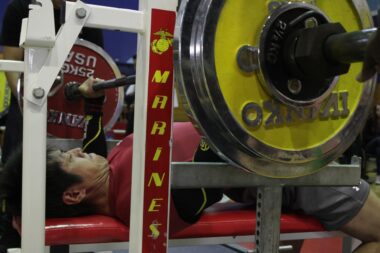
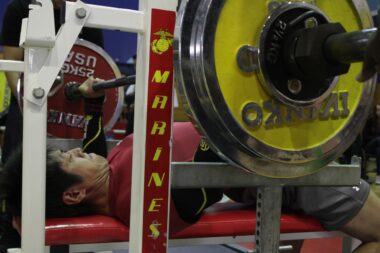
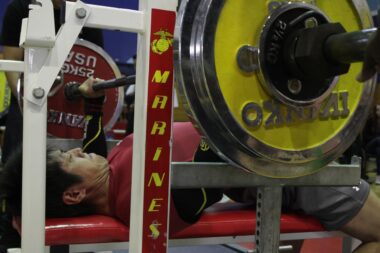
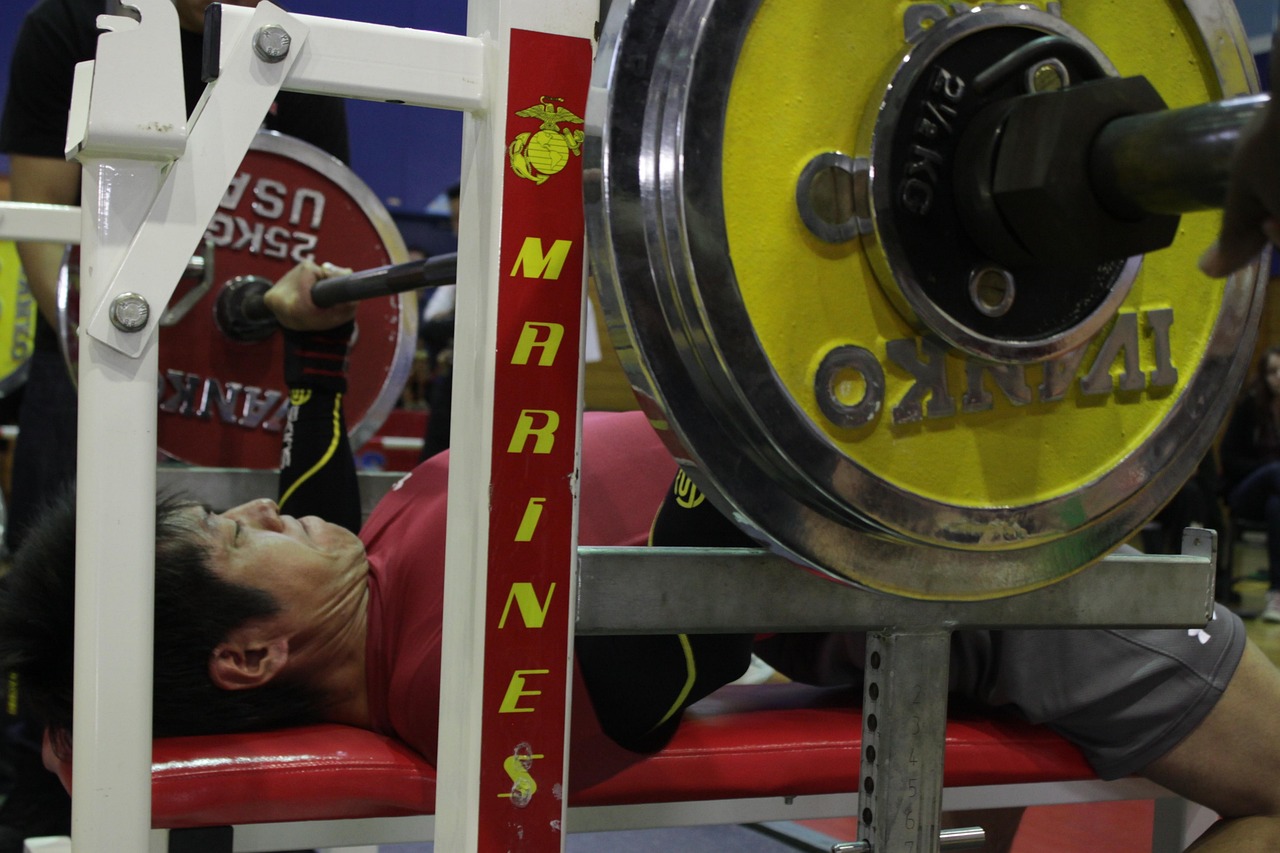
Speed bench press drills are essential components for powerlifters aiming to enhance their explosive strength and overall bench press performance. These drills focus on increasing bar speed during the lift, enabling lifters to develop the ability to accelerate efficiently. By emphasizing speed, lifters may find that their maximum strength improves during regular bench press sessions. One key aspect to remember is that speed drills should be incorporated into a comprehensive training program, where lifters can focus on various rep ranges, percentages, and techniques. Additionally, adopting proper techniques and maintaining good form during these drills will minimize the risk of injury. As athletes progress, they should consistently review their form and make adjustments as needed. The goal is always to maintain integrity in movement while maximizing speed, not sacrificing technique for quickness. Speed work can also be beneficial in enhancing one’s technique under lighter loads, contributing to better overall strength development. Each session should be timed and assessed to track improvement effectively. This approach aids in programming and ensuring continued progression. When implemented correctly, speed bench press drills become powerful tools for any serious powerlifter.
One effective method for incorporating speed bench press drills is through the use of accommodating resistance such as bands or chains. These tools help to overload the lift’s top portion, where the lifter naturally experiences the most speed. By using bands, lifters can focus on driving the bar upwards faster against the increased resistance at the top of the lift. Chains can also offer a dynamic method that changes the weight throughout the lifting path, requiring the lifter to adjust their speed consistently. Adjusting the usage of these tools can help prevent plateauing and ensure continual progression. Employing this technique allows lifters to experience different loads throughout the range of motion, which can enhance neural adaptation and power. Additionally, athletes can increase their ability to maintain speed under pressure as they must stabilize the bar more with dynamic loads. When using accommodating resistance, lifters should ensure their positioning and bar path remain consistent for maximum effectiveness. This method promotes improved efficiency and assists in building muscle explosiveness. For optimal results, these drills should be performed during specific training cycles focused on speed and power enhancement, ensuring they positively contribute to overall lifting goals.
Another key element in speed bench press drills for powerlifters is selecting the right rep ranges. Generally, performing sets with lower reps, typically around 3-5, can help maintain a higher speed and focus on quality over quantity. Lifters should emphasize fast and explosive movements during these sets, minimizing fatigue and maximizing bar speed. This approach allows practitioners to assimilate effective movement patterns without excessive strain. However, lifters should also incorporate variations in rep ranges over different training cycles to prevent monotony and stimulate growth. For example, occasionally performing higher repetition sets, from 8-12, can aid in muscle endurance and hypertrophy, providing a nice contrast to the speed-focused work. Varying intensity levels can contribute to greater muscle adaptation, which is beneficial for overall strength gains. It’s critical to avoid fatigue during these speed sessions, as it can lead to diminished returns and ineffective training sessions. Lifters should adjust their loads based on their ability to maintain speed throughout the sets while ensuring their form remains intact. Balancing intensity and rep ranges effectively will yield better performance outcomes in the long run for powerlifters.
Integrating Plyometric Techniques
Plyometric techniques can also significantly enhance the effectiveness of speed bench press drills, as they fundamentally train explosiveness. Incorporating explosive push-ups or medicine ball throws can enhance muscle fibers responsible for rapid muscle contractions. Integrating these plyometric movements into a training program will help develop neural pathways that contribute to improved bar speed during bench pressing. When powerlifters commit to including plyometric exercises in their regimen, they should aim to condition their muscles to generate force quickly while maintaining control. This can transfer positively to bench press performance, as the athletes will develop a more explosive lifting style. It’s essential for athletes to execute these movements with proper technique to avoid injuries and ensure they are adequately warmed up. A well-rounded approach that includes plyometric drilling prevents one-dimensional training focusing solely on strength. Moreover, these techniques can be performed in various formats, such as supersets or as part of a conditioning circuit, ensuring lifters see this as a dynamic and engaging part of their routine. The comprehensive use of speed drills paired with plyometric movements fuels the development of impressive bench press results.
In designing a comprehensive training plan for powerlifters, monitoring rest intervals between speed bench press sets is vital. It’s essential not to rush through workouts, as maintaining high-intensity levels can lead to fatigue and subsequently impact performance negatively. Powerlifters should aim for short rest periods, approximately 1-2 minutes, to promote recovery while still allowing the body to stay engaged in the explosive mindset. However, these intervals should be adjusted based on the specific training program and the individual’s experience level. Novice lifters might benefit from slightly longer breaks to ensure optimal recovery and ensure technique integrity remains intact. Efficiency in rest intervals will contribute to continuous strength and speed development; hence, lifters should monitor these aspects closely. Incorporating timed rest can enhance focus during training, ensuring lifters remain accountable during each set. This careful structure allows powerlifters to optimize their training sessions and derive maximum benefits from the work performed. By strategically planning rest while focusing on execution, powerlifters can see tangible progress in their speed and strength on the bench press.
Another critical factor for implementing speed bench press drills is nutrition and recovery. Proper nutrition directly influences energy levels, muscle repair, and overall performance during workouts. Powerlifters might benefit from diets rich in high-quality proteins, carbohydrates, and healthy fats to maximize their training efficacy. Adequate hydration is equally crucial as it helps with muscle function and recovery. Lifters should focus on consuming nutrient-dense foods, supporting their rigorous training demands. Additionally, recovery protocols should not be overlooked; incorporating rest days, active recovery sessions, and sleep management promotes optimal performance. Scheduling regular deload weeks can also help prevent overtraining, allowing lifters to refresh their bodies and focus on rebuilding strength. Recovery practices, such as foam rolling and stretching, will enhance flexibility and reduce the risk of injuries. Furthermore, tracking nutrition and recovery patterns can highlight the areas that require adjustment for ideal performance. Powerlifters who prioritize their nutritional approaches alongside speed drills will likely observe significant improvements in their bench press capabilities. Adopting a holistic approach to training that emphasizes recovery and nutrition solidifies long-term gains and overall effectiveness in speed work efforts.
Evaluating Progress and Adjustments
Lastly, evaluating progress after implementing speed bench press drills is critical. Lifters should routinely assess their performance through consistent metrics, such as tracking bar speed, rep performance, and overall strength gains. Video analysis can also provide insights into technique, allowing lifters to detect flaws that might hinder speed development. Regular assessments empower lifters to monitor not only their quantitative progress but also qualitative improvements. This self-reflection in training aids lifters in determining what works best for them, leading to proper adjustments in training protocols. Adjustments should be based on individual responses to speed work, where lifters can cycle different techniques, periods of intensity, and rep ranges. Engaging with knowledgeable coaches or experienced training partners can enhance these evaluations by providing external feedback and perspective. Progress evaluations should emphasize long-term goals and ensure lifters maintain focus on developing overall strength and performance. Proper evaluation guarantees training which produces results while maintaining healthy and efficient lifting practices. By integrating assessment processes into their routines, powerlifters can continuously refine their training and achieve their goals in competitive environments.
In conclusion, implementing speed bench press drills is instrumental for powerlifters dedicating their efforts to performance enhancement. These drills, when orchestrated efficiently and mindfully, provide substantial advancements in explosiveness, strength, and overall technique. Whether through accommodating resistance, plyometric integration, or a thorough design of nutritional and recovery practices, the success of these drills hinges on various interconnected facets. The process of trial and error and diligent revisions over time will culminate in incredible performance gains. Lifters must recognize the continual need for evaluation post-implementation, addressing areas that require improvements while adjusting strategies for optimal speed and strength results. As the fitness world continues evolving, embracing innovative approaches is crucial in directing powerlifters toward their goals. The strategic application of speed bench press drills will undoubtedly enhance and refine every lifter’s journey within this sport. Ultimately, the blend of technique, nutrition, and recovery will empower athletes to achieve new personal records and continue thriving. Speed bench press drills, paired with conscientious evaluations, will enhance any lifter’s journey.