
The Use of Swimming in Managing Anxiety Disorders Effectively
Swimming has proven to be an effective method for managing anxiety disorders. Engaging in swimming helps individuals experience reduced symptoms of anxiety and promotes overall mental health. While various forms of physical activity are beneficial, swimming possesses unique qualities that make it especially effective. The rhythmic nature of swimming encourages mindfulness, helping individuals focus on their breath and movements. This attentiveness creates a meditative state, reducing racing thoughts associated with anxiety disorders. Moreover, the water provides a comforting and soothing environment, which further lowers anxiety levels. Participants often report feeling weightless, liberated, and relaxed while swimming. Incorporating swimming into a regular fitness routine allows for the development of a consistent healthy habit, which is crucial for managing mental health issues. Evidence shows that aerobic activities, including swimming, can stimulate the production of endorphins and improve mood. Additionally, swimming can enhance self-esteem as individuals achieve personal fitness goals. Finally, the social aspect of swimming can also provide support, as individuals interact with like-minded peers. Establishing connections through swimming can foster camaraderie, further alleviating feelings of isolation during anxiety episodes.
The Physical Benefits of Swimming
In addition to its mental health benefits, swimming provides a multitude of physical advantages that contribute to overall well-being. This low-impact sport engages multiple muscle groups, enhancing strength, flexibility, and endurance. Moreover, swimming promotes cardiovascular fitness, leading to improved heart health. Individuals suffering from anxiety often experience heightened physiological stress, and swimming helps in alleviating that strain. Including swimming as part of a fitness routine leads to better lung capacity and efficient breathing techniques, both of which are crucial during anxiety episodes. People frequently report a sense of empowerment through mastering swimming techniques, boosting personal confidence. Furthermore, swimming encourages social interactions, which is essential for those who struggle with anxiety. Joining a local swim team or participating in group classes creates opportunities for support and healthy friendships. This increase in socialization can cultivate an understanding environment where anxiety-prone individuals find solace. Finally, the exposure to water itself provides a calming effect, as studies show natural elements significantly contribute to reducing mental distress. Consequently, by blending physical activity with the soothing qualities of water, swimming emerges as an excellent strategy for addressing anxiety disorders effectively.
Many people might wonder how to get started with swimming for anxiety management. First, it’s vital to establish specific goals related to swimming practice, guided by personal preferences and abilities. Establishing an achievable and realistic swimming routine ensures consistency, pivotal in reaping mental health benefits. Setting aside designated times for swimming aligns it with daily habits, creating a balanced approach to both fitness and wellness. It’s also essential to choose a suitable environment, such as a local pool or natural body of water, based on comfort levels. For beginners, lessons from professional instructors can enhance learning and provide safety, allowing anxious individuals to build skills steadily. Utilizing flotation devices can assist those who feel apprehensive about deep water. Embracing this sporting activity should be an enjoyable experience; thus, exploring various swimming styles, such as freestyle, breaststroke, and backstroke, can add excitement. Additionally, learning rhythmic breathing techniques while swimming is vital as it helps focus on the breath, promoting relaxation. Ultimately, be patient, as improvement takes time, and swimming offers numerous opportunities for growth in both swimming skills and overall mental well-being.
Mindfulness and Swimming
One of the most effective ways swimming manages anxiety is through the practice of mindfulness. By concentrating on the sensations the body experiences while swimming, individuals can cultivate present-moment awareness. This mindful approach shifts attention away from stressful thoughts and worries that often accompany anxiety disorders. The flowing motion of water, combined with rhythmic breathing, enhances this mindfulness practice. By tuning into the sounds of splashing water, surrounding environments, and one’s own heartbeat, anxiety can dissipate more readily. Individuals notice that their body moves effortlessly in the water, reinforcing feelings of relief and calmness. Additionally, consistent mindful swimming practices allow for improved self-regulation techniques over time. Swimmers develop coping strategies to manage their anxiety, honing emotional resilience through exposure to challenging situations within the pool. As individuals navigate through water, they discover pathways to deeper relaxation, even outside the pool. Incorporating meditation techniques before, during, or after swimming can further enhance mindfulness, strengthening its effectiveness as a tool against anxiety. Ultimately, establishing a connection between swimming and mindfulness can significantly improve mental health outcomes for those living with anxiety disorders.
Swimming in natural environments provides specific benefits that further support anxiety management. Swimming outdoors allows individuals to connect with nature, which has been shown to contribute positively to mental health. Scenic views can cultivate feelings of tranquility and clarity, combating the chaos often experienced during anxiety episodes. Experiencing fresh air, sunlight, and the natural setting enhances mood and revitalizes the spirit. The natural world offers diverse sensory experiences that seep into one’s consciousness, promoting relaxation. Although some may feel apprehensive about outdoor swimming, gradual exposure builds confidence in evolving environments. This gradual acclimatization can enhance resilience against future anxiety episodes. Furthermore, participating in outdoor swimming groups presents opportunities for community building and healthy interactions. Positive social experiences can be therapeutic and provide encouragement for individuals dealing with anxiety. Additionally, being surrounded by greenery and blue water adds physical and mental energy to the swimming experience, invigorating both the body and mind. Therefore, integrating outdoor swimming into mental health strategies creates holistic benefits, easing anxiety symptoms while fostering a sense of connection to the world.
Creating a Supportive Swimming Environment
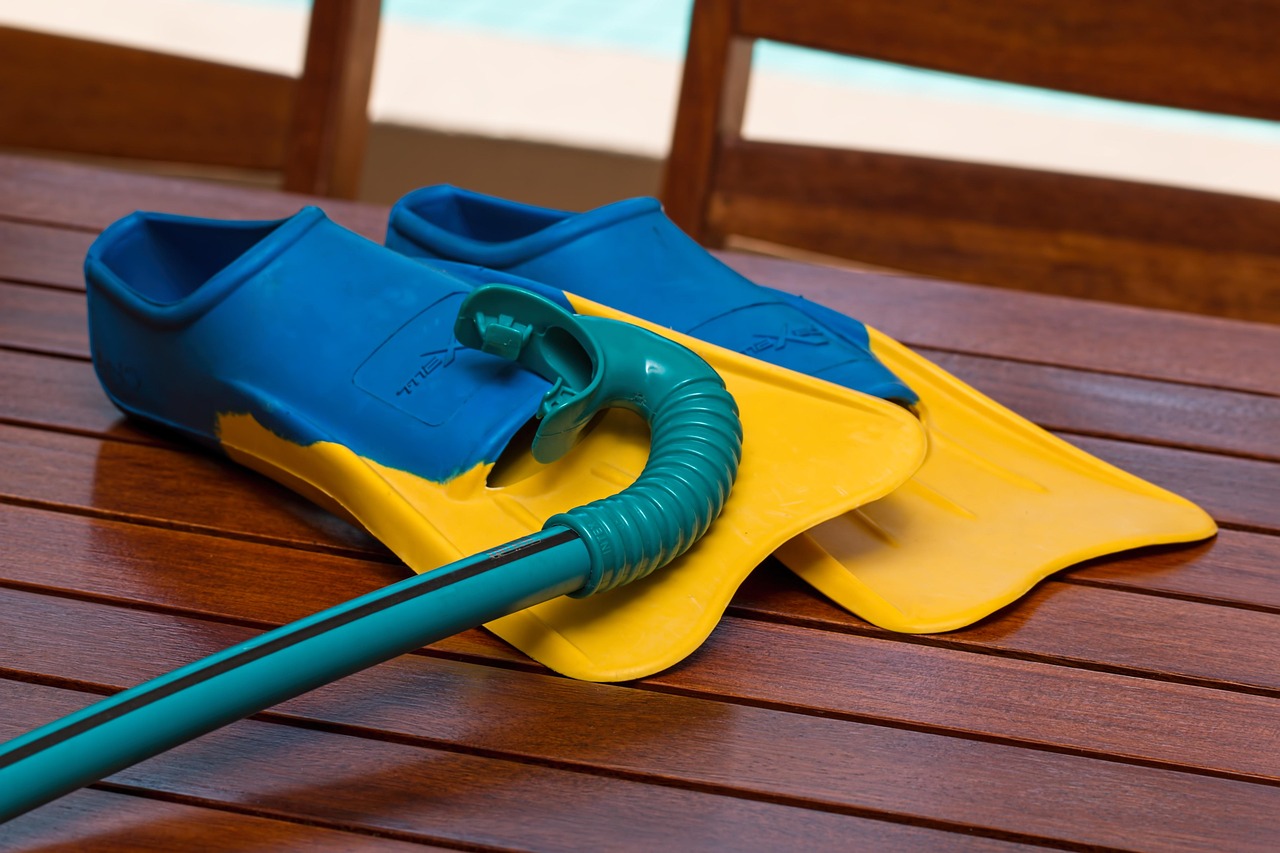
A supportive swimming environment is essential in maximizing the benefits of swimming when managing anxiety disorders. Individuals should surround themselves with positive influences, such as encouraging swim instructors or supportive peers. Opting for smaller or less crowded pools can provide a more comfortable experience, particularly for those battling anxiety. Additionally, participants should feel empowered to communicate their needs to instructors or group leaders, ensuring that their anxiety levels are effectively managed. Creating a personal routine surrounding swimming, such as warm-up exercises or mindfulness practices, can cultivate a sense of control and relaxation. Ambience also matters; hence, discovering quieter times to swim can minimize distractions and enhance the calming aspect of swimming. Using adaptable swim gear can provide comfort and confidence, ensuring individuals feel at ease while in the water. Furthermore, setting realistic expectations for swimming progress is crucial; this perspective can prevent feeling overwhelmed. Ultimately, fostering a nurturing atmosphere surrounding swimming activities helps dismantle barriers that may inhibit participation, allowing individuals to address their anxiety through regular engagement in this beneficial exercise.
To summarize, swimming is a powerful tool for managing anxiety disorders effectively. Its unique blend of physical and mental health benefits renders it an ideal choice for individuals facing anxiety challenges. By engaging in swimming, individuals develop coping strategies, authorize self-discovery, and create healing environments promoting recovery. This low-impact sport caters to varied fitness levels and abilities, providing accessible methods for stress relief. Moreover, the act of swimming fosters community, nurturing connections with like-minded individuals affected by anxiety. Consequently, integrating swimming into regular routines can engender profound positive changes in mental well-being. All these factors culminate in an invigorating strategy to combat anxiety disorders. As research continues to emphasize the importance of mental fitness, swimming’s multifaceted benefits will likely gain increasing recognition. Ultimately, individuals struggling with anxiety should consider this approachable and enjoyable activity as part of their mental fitness journey. Embracing swimming will empower individuals to tackle their anxieties and create a healthier, more fulfilling life. Pooling together social interaction, physical movement, and natural surroundings, swimming can usher in essential dimensions of healing for those seeking relief from anxiety.