
Step-by-Step Myofascial Release Techniques for Beginners
Myofascial release techniques are gaining popularity for promoting flexibility and mobility. Beginner practitioners often find these methods helpful in alleviating muscle tension and enhancing overall wellness. Understanding the basic concepts is crucial when starting. These techniques involve applying gentle sustained pressure into the connective tissue, enabling restrictions to release. Essential aspects include knowledge about the fascia and its role in the body. The fascia is a network of connective tissue that surrounds muscles, bones, and organs. Aimed at easing tightness and discomfort, myofascial release is suitable for various individuals, including athletes and everyday fitness enthusiasts. Techniques can be performed manually or with the assistance of tools like foam rollers or massage balls. Beginners should focus on proper body alignment during these techniques, as this can significantly impact effectiveness. Listening to your body is also vital, as everyone’s sensitivity varies. Consistent practice is key to noticing changes over time, making it beneficial for individuals of all fitness levels.
Basic Techniques to Get Started
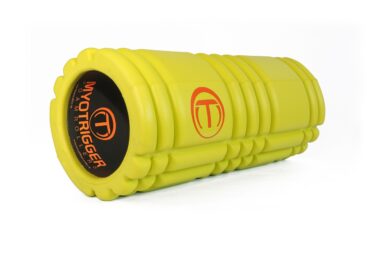
When starting myofascial release, it’s essential to familiarize yourself with basic techniques. Beginners can start with the foam roller as a primary tool. The versatility of a foam roller allows targeting various muscle groups, helping release tension. Begin by positioning yourself comfortably on the roller, using your body weight for effective pressure application. Focus on one muscle group at a time, rolling slowly over the area while paying attention to any sensitive spots. If you find tight areas, pause for several breaths. This helps in releasing the built-up tension in the fascia. Incorporating deep breathing aids in relaxing the body, allowing tissues to soften. Additionally, try directional movements; rolling in different directions can lead to more effective release. Don’t rush the process, as it can take time to notice significant benefits. Remember to hydrate after your sessions, as myofascial release can lead to increased circulation. Finally, make myofascial release a regular part of your wellness routine; consistent practice will enhance flexibility and overall body function significantly.
It is essential to be patient when beginning myofascial release techniques. Progress may not be immediate, leading to discouragement. Yet, with consistent application, improvements in flexibility and mobility are very likely to occur. Tracking your progress can be a helpful practice. Document changes in your body over time can provide motivation and serves as a reminder of your development. Additionally, consider combining myofascial release techniques with other beneficial practices. Incorporating stretching, yoga, or Pilates can enhance overall results. These activities complement the effects of myofascial release, promoting muscle elongation and further reducing tension. Also, be open to adapting your techniques based on your body’s feedback. Everyone’s experience with myofascial release may differ, so be receptive to modifications that feel more effective. Joining classes or workshops can provide valuable guidance. Trained professionals can offer insights into correct techniques to maximize benefits. In that sense, community and support can also enhance your experience. Remember that each individual is unique, and everyone’s journey with myofascial release will vary. Progress at a pace that feels right for you.
Understanding Key Concepts and Benefits
Myofascial release not only promotes physical benefits but also mental wellness contributing positively to stress management. By releasing muscle tightness, individuals may experience a reduction in stress levels and improved relaxation. The technique is designed to target the fascia, the connective tissue that encases muscles and organs. When this tissue becomes tight or restricted, it can lead to discomfort and decreased mobility. By effectively engaging with the fascia through gentle pressure, one can improve overall tissue function. Many practitioners of myofascial release report increased range of motion. Because of this, athletes often incorporate these techniques into their routines as part of their recovery process. Even for non-athletes, myofascial release can be beneficial for combating the effects of sedentary lifestyles. As we sit for prolonged periods, fascia can become tight and restrictive. Practicing myofascial release techniques can counter these effects, allowing for greater movement freedom. This practice can also aid in improving postural alignment, another fundamental aspect of mobility. Therefore, understanding these concepts is crucial for maximizing the benefits and adhering to a consistent routine.
As you become comfortable with myofascial release techniques, seeking to integrate variations may elevate your practice further. Different methods can target specific muscle groups more effectively. Using tools such as massage balls provides precision and allows for deeper pressure application. A tennis ball, for example, can be particularly effective for addressing tightness in smaller muscle groups in the hips and shoulders. Techniques such as cross-friction, longer holds, and alternating pressures can also enhance the release. It’s beneficial to explore various applications to identify what works best for your body. However, remember to start gently; allowing your body to adapt is essential. In addition, keeping your body hydrated post-practice can significantly impact recovery. Hydration assists in flushing out toxins released from the tissues during the myofascial release process. Regularly participating in these techniques can promote better circulation and facilitate overall body efficiency. Finally, you might find it valuable to learn from professionals, either through guided classes or online tutorials. Observing different methods can inspire you to discover unique strategies that cater to your body’s requirements and preferences.
When to Seek Professional Help
While myofascial release can be effective for many individuals, recognizing when to seek professional help is equally important. If you experience persistent pain or discomfort despite following the techniques correctly, consulting a professional is advisable. They can assess underlying issues and offer tailored solutions. In addition, care should be taken if you have specific health conditions or injuries. Individuals with certain medical concerns may need modified approaches or should avoid certain techniques altogether. Consulting a physical therapist or a trained massage therapist who specializes in myofascial release can provide support and guidance. These professionals can help determine the best path forward, ensuring the techniques are suitable for your unique circumstances. Furthermore, professional sessions can enhance your learning experience. Watching practitioners perform myofascial release can provide valuable insights. In some cases, they may recommend specific adjustments or additional therapies to incorporate alongside your practice. This collaborative approach can enhance flexibility and mobility while promoting a holistic path toward well-being.
In conclusion, myofascial release techniques serve as a powerful avenue for improving flexibility and mobility. For beginners, starting with foundational knowledge and basic practices lays the groundwork for progress. Regular practice, combined with adaptability and patience, can yield significant improvements in bodily well-being. As the release techniques become part of your routine, introducing variations and exploring deeper pressures can enhance effects. Remember to stay attuned to your body’s responses and adjust as necessary. Moreover, seeking community support or professional guidance can elevate your practice, providing you insight and care personalized to your needs. As you continue your journey with myofascial release, celebrate small victories and remain committed to maintaining a balance between movement and rest. Consistent practice and self-care can foster not only physical flexibility but also mental clarity. Your experience with myofascial release will be an ongoing learning opportunity. Therefore embrace the process, enjoy the benefits, and stay motivated to pursue a lifestyle focused on flexibility and mobility.