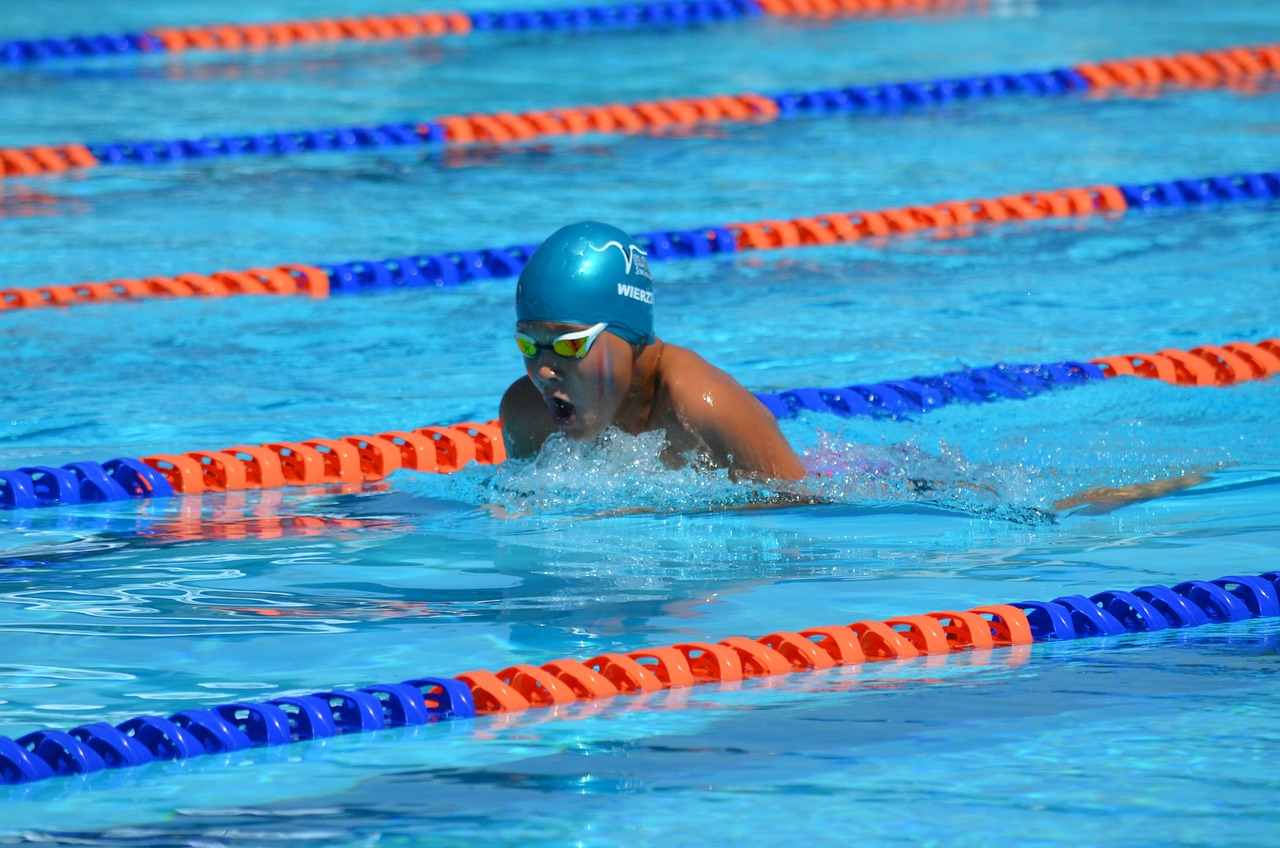

Incorporating Strength Training to Boost Relay Swimming Performance
Relay swimming is an exciting and intense part of competitive swimming, requiring high levels of speed, teamwork, and strategy. To excel in relay swimming, it’s essential to incorporate effective strength training programs. These programs not only help swimmers develop the muscles required to propel themselves faster through the water but also improve their overall endurance and reduce injury risks. In relay races, the ability to deliver powerful starts and swift transitions can significantly influence the outcome of events. A well-designed strength training routine enhances these skills. Focusing on key muscle groups used in swimming – such as the shoulders, back, core, and legs – can develop a swimmer’s explosive power. Strengthening these areas translates to quicker starts and stronger finishes, which are crucial for relay success. It is important to balance strength training with swimming practice to ensure that swimmers maintain their technique and avoid fatigue. Incorporating resistance exercises, proper nutrition, hydration, and recovery protocols also contributes to a swimmer’s performance in relays. Effectively executed, strength training can be a game-changer in competitive relay swimming.
Relay swimming requires especially the coordination of team members, so training can be complex. Thus, teamwork is essential when developing relay swimming strategies and the associated strength training routines. The strategies should focus on individual strengths while fostering effective collaboration between swimmers. Many relay teams utilize video analysis to dissect performances after practices and competitions. This allows teams to identify areas of improvement, such as start times and stroke efficiency. Additionally, incorporating drills that emphasize handoffs and transitions between swimmers enhances the relay team’s overall speed. Swimmers should practice their starts to ensure a quick and smooth transition, which can make a significant difference in relay races. Techniques like diving starts and quick turns can positively affect the team’s overall time. Building the strength necessary to execute these techniques effectively takes time and focused training. It’s important for teams to establish a consistent practice schedule incorporating strength training and swimming drills tailored to their unique dynamics. Moreover, swimmers should focus on improving both physical conditioning and technical prowess to merge strength with technique. Such focused training ensures the team performs at peak levels in high-stakes relay races.
Strength Training Exercises for Relay Swimmers
Strength training can greatly influence a swimmer’s performance in relay races, targeting muscle groups most needed for optimal performance. Exercises such as squats, lunges, and deadlifts help build the lower body strength crucial for starts, while pull-ups, rows, and shoulder press enhance upper body power. Core stability is also pivotal for swimmers, as it aids in maintaining proper body position and reducing drag in the water. Plank variations, medicine ball throws, and rotational exercises should be included to promote core strength. Incorporating resistance bands can be particularly beneficial for swimmers as they mimic the resistance felt in the water, enhancing muscle memory. Swimming-specific exercises that replicate the motions of the strokes performed can improve not only muscle strength but also the efficiency of each stroke. Additionally, utilizing plyometric exercises, such as box jumps and jump squats, improves explosive power necessary for fast starts and finishes in relay events. These exercises, combined with swimming techniques and tactics, contribute to a well-rounded training regimen, assisting swimmers in achieving peak performance when it matters the most.
Proper nutrition and recovery protocols are crucial components of a swimmer’s strength training program. Fueling the body adequately helps support intense workouts and recovery. It’s vital for swimmers to consume a balanced diet rich in carbohydrates, proteins, and healthy fats to support daily training efforts. Post-workout nutrition, such as protein-rich snacks, aids recovery and muscle repair after strenuous training sessions. Additionally, hydration plays a crucial role in performance; swimmers must ensure they are consuming enough fluids to maintain optimal performance. Along with nutrition and hydration, recovery techniques such as stretching, foam rolling, and cold-water immersion can reduce muscle soreness and promote quicker recovery. Establishing a proper recovery routine helps swimmers bounce back effectively between training sessions. Adequate rest is also essential for an athlete’s overall performance, as it allows muscles to repair and strengthen. Swimmers should prioritize quality sleep as a foundational part of their training strategy. By combining strength training with a well-rounded focus on nutrition and recovery, swimmers can maximize their potential in the pool. This holistic approach to training can result in faster relay times and more cohesive team performances.
Scheduling Strength Training with Swim Practice
To effectively integrate strength training into a swimmer’s routine, careful scheduling must take place regarding swim practices. Building a balanced training regimen is key, ensuring that both strength and swimming skills develop harmoniously. Swimmers often train multiple times a week, and fitting strength sessions within this schedule requires planning. Typically, strength training can occur two to three times per week, ideally on the same days as swimming practices. Keeping these sessions separate—ensuring adequate recovery time between strength training and intense swim practice—is important. Early in the season is an opportune time to establish strength, while mid to late season shifts focus toward refining speed and endurance. Coaches can help guide swimmers in aligning strength workouts with their competitive calendar to optimize performance. It’s essential to encourage swimmers to communicate their energy levels and feedback on sessions. Adjusting training plans based on how swimmers respond allows teams to respond adaptively to their needs. This tailored approach ensures swimmers maintain both swimmer strength and technique throughout the competitive season without burnout or decreased enthusiasm.
Setting specific goals for both strength training and relay swimming will enhance focus and motivation. Goals should be measurable, realistic, and time-bound to provide a framework for progress tracking. For some swimmers, this may mean improving segment times in relays or successfully increasing the weights lifted in strength sessions over time. Fostering a team-oriented culture promotes accountability within relay teams, supporting each member to achieve individual and collective goals. Team challenges, such as competing for best lift totals or fastest split times, can also instill motivation. Coaches can emphasize the importance of a positive mindset and encourage swimmers to visualize success during their training. Such mental techniques are essential for maximizing race-day performance, as competently managing anxiety and excitement can set swimmers apart from opponents. Ultimately, a combination of specific goals, tailored training schedules, and a supportive team culture lays a robust foundation for success in relay swimming. As swimmers invest in their personal and team growth, the satisfaction derived from achieving these objectives can produce outstanding results when it truly counts in relay competitions.
Monitor Progress and Make Adjustments
Monitoring the progress of strength training and swimming performance is essential for continuous improvement. Regular assessments allow coaches and swimmers to identify areas that require additional focus or adjustment. Tracking certain metrics, such as times in training sets and weights lifted, can provide vital insights into strengths and weaknesses. This information aids in making data-driven decisions about training plans to maximize performance. Adjustments may involve modifying strength exercises or alternating between swimming techniques to target weaknesses specifically observed. Adopting a flexible training approach supports each swimmer’s individualized development needs, driving performance improvement over time. Regular feedback from coaches also plays an important role, enabling swimmers to understand areas for enhancement and fostering further motivation. Additional team workshops on performance strategies and mental training can equip swimmers with essential skills for relays. Through consistent monitoring, progress can be celebrated, and adjustments embraced, leading to enhanced relay swimming outcomes during competitions. Ultimately, creating a culture of tracking and evolving training not only enhances individual performances but also strengthens the overall relay team dynamic.
In conclusion, incorporating strength training into relay swimming programs is imperative for enhancing performance. Tailored strength training routines enable swimmers to develop the explosive speed, endurance, and teamwork necessary for successful relay events. Emphasizing proper nutrition, recovery, and scheduling allows athletes to maintain peak performance levels throughout their training seasons. Setting measurable goals fosters motivation and a positive competitive atmosphere while monitoring progress keeps teams on track. Encouraging commitment to both individual and team-focused training regimens elevates the quality of relay swimming performance. To ensure success in competitive environments, a thorough understanding of how strength training influences swimming capabilities can be pivotal. Coaches play a crucial role in guiding swimmers towards optimized training plans. By facilitating a strong foundation in both swimming technique and strength, teams can achieve significant improvements in relay events. Building teamwork alongside individual strengths enhances outcomes for relay races. Swimmers should remain focused on refining their skills, committing to strength training, and supporting one another. Ultimately, dedication and a well-rounded approach to training will result in remarkable relay performances, solidifying the importance of strength training in swimming.