
How to Structure Your Gym Workout for Optimal Weight Loss
Weight loss is a common goal for many individuals, and structuring your gym workouts effectively is crucial. Begin by determining your fitness level, as this sets the foundation for your workout regime. Incorporate a mix of cardiovascular exercises and strength training to achieve efficient weight loss. Cardio sessions should focus on activities such as running, cycling, or even rowing, which can help burn calories. Aim for at least 150 minutes of moderate cardio or 75 minutes of vigorous cardio weekly. Complement this with strength training to build muscle, which in turn supports metabolism. It’s also vital to vary your routines to keep your body guessing and to fight off plateaus. Exercises like squats, deadlifts, and bench presses can be highly effective. Additionally, consistency is key; establishing a regular schedule can help create habits that promote weight loss success. Remember to incorporate rest days to allow your muscles to recover, which can prevent injuries and aid in overall performance. Staying hydrated and watching your nutrition will also enhance your results significantly over time.
In addition to your basic routine, setting specific, achievable goals can further optimize your weight loss workouts. Break down your main objective into smaller, manageable targets. For instance, if your goal is to lose 20 pounds, establish monthly milestones, like shedding 5 pounds. Tracking your progress not only keeps you accountable but also motivates you to stick with your regimen. Utilize fitness apps or journals to log workouts and monitor dietary intake. This can reveal any patterns or areas for improvement. Pair your workouts with a balanced diet rich in whole foods, as nutrition plays an integral role in fitness. Focus on including lean proteins, complex carbohydrates, healthy fats, and plenty of fruits and vegetables. Consider consulting with a nutritionist who can curate a meal plan tailored to support your exercise goals. Following an appropriate caloric intake will set the stage for optimal weight loss results. Moreover, ensure you’re consuming enough protein to fuel muscle recovery and enhance strength. This careful balance between exercise and nutrition will help you sustain energy levels for your workouts.
Incorporating HIIT for Enhanced Weight Loss
High-Intensity Interval Training, or HIIT, can be an effective strategy for weight loss within your gym workouts. HIIT consists of short bursts of intense exercise followed by rest or low-intensity periods. The beauty of HIIT lies in its ability to boost your metabolism and maximize calorie burn in a shorter time frame. For instance, you could alternate between 30 seconds of sprinting and 90 seconds of walking on a treadmill. This type of training can be integrated into various workouts, including cycling, swimming, or bodyweight exercises. Studies have shown that HIIT may promote fat loss while preserving muscle mass, a critical aspect of any weight loss journey. However, ensure that you perform warm-ups to prepare your body for intense activity. Also, pay attention to your form to avoid injuries that could significantly set you back. Depending on your fitness level, aim for 1-3 HIIT sessions per week, providing ample recovery time in between. As you grow stronger, increase the intensity or duration of intervals for progressive overload, which is essential for continual improvement.
Another crucial aspect is ensuring that your gym workout includes adequate recovery periods. Overtraining can lead to fatigue, burnout, and even injuries, which can hinder your weight loss progress. Schedule rest days in your program and prioritize sleep, as quality rest is vital for muscle recovery and metabolic health. Additionally, focus on stretching or incorporating yoga into your weekly routine to improve flexibility and aid recovery. This helps reduce muscle soreness and can increase your overall performance in the gym. Actively listening to your body is vital; if you feel excessively tired, it may be wise to reassess the intensity of your current regimen. Moreover, consider using techniques like foam rolling or massage to further enhance recovery between workouts. Nutritionally, fueling your body post-workout with a combination of protein and carbohydrates can facilitate muscle repair. This balance aids in recovery and helps counteract muscle breakdown that occurs after strenuous training. By managing workout intensity and recovery effectively, you pave the way for long-term success in your weight loss journey.
The Role of Cardio Variety in Weight Loss
To enhance your weight loss results, incorporating variety into your cardio workouts is vital. Engaging in different types of cardio can help prevent boredom and sustain motivation over time. Consider mixing steady-state cardio with interval training. Steady-state involves maintaining a consistent pace, such as jogging or cycling, which can increase endurance. On the other hand, mixing this with interval training can target various energy systems. This variety keeps your workouts exciting and works different muscle groups, promoting overall conditioning. Experiment with different equipment, too; try the elliptical, rowing machine, or a spin bike. Additionally, outdoor activities like hiking or playing sports can offer both cardiovascular benefits and enjoyment simultaneously. Adjust your workout frequency or duration for greater variability in your training routine. Aim to include both short and long-cardio sessions throughout the week. This approach not only boosts your calorie burn but also enhances cardiovascular capacity and endurance. Keep track of how your body responds to different forms of cardio. This will allow you to tailor your workouts for optimal results aligned with your weight loss goals.
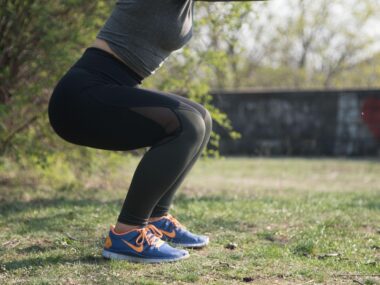
Incorporating strength training is another significant aspect of your gym workouts for effective weight loss. Although cardio is crucial in burning calories, strength training can lead to increased muscle mass, which in turn boosts your resting metabolism. This means that even when you’re not working out, your body burns calories more efficiently. Target all major muscle groups at least twice a week, using free weights, machines, and bodyweight exercises. Compound movements, such as squats, lunges, and bench presses, engage multiple muscle groups and burn more calories. Always focus on proper technique to maximize benefits and minimize the risk of injuries. Gradually increase the weights and resistance used in your workouts, following a principle known as progressive overload. This will constantly challenge your body, prompting strength gains. Ensure each workout has a combination of heavier lifts and lighter, faster-paced exercises to promote both strength and endurance training. Lastly, consider including circuit-style workouts that combine resistance training with short bursts of cardio. This method keeps your heart rate up while building muscle, further supporting weight loss goals.
Nutrition and Hydration in Weight Loss Workouts
Nutrition plays a supportive role in effectively executing your gym workout plan. Consuming the right nutrients before and after exercising is critical for fueling performance and recovery. Focus on meals or snacks that are rich in complex carbohydrates and proteins. For instance, whole grains, fruits, and vegetables provide essential energy, while protein sources like chicken, fish, or legumes aid muscle repair. Meal timing is important; aim to eat a balanced meal two to three hours before workouts. This ensures your body has time to digest and utilize the nutrients efficiently. Contrary to popular belief, carbohydrates shouldn’t be avoided around workout times, as they are the body’s primary energy source. Post-workout meals should include a protein-packed snack within 30 minutes to an hour after your workout. This aids recovery and replenishes muscle glycogen stores. Hydration should also remain a top priority; drink plenty of water before, during, and after workouts to maintain performance and overall health. Additionally, monitoring your hydration levels will support your weight loss efforts by optimizing metabolic processes.
In conclusion, structuring your gym workout effectively for optimal weight loss requires a comprehensive approach. By emphasizing a combination of cardio, strength training, rest, and nutrition, you can create an effective workout plan tailored to your goals. Tracking your progress and adjusting your routine as needed will keep you motivated and engaged. Don’t hesitate to try new exercises and workout formats, such as HIIT or circuit training, to ensure variety and sustained interest. Always listen to your body’s needs; refresh your routine and ensure proper recovery periods to enhance performance. Remember that weight loss is a journey, not a race—consistency is crucial in cultivating long-lasting habits that foster change. With a mindful approach towards fitness and health, you will be better positioned to achieve your desired outcomes. Engage with a fitness community or seek out a personal trainer if you require guidance or support. Together, these factors combined elevate your weight loss efforts, empowering you to achieve significant results in your gym workouts.