
How to Incorporate Breathing Techniques into Your Daily Routine
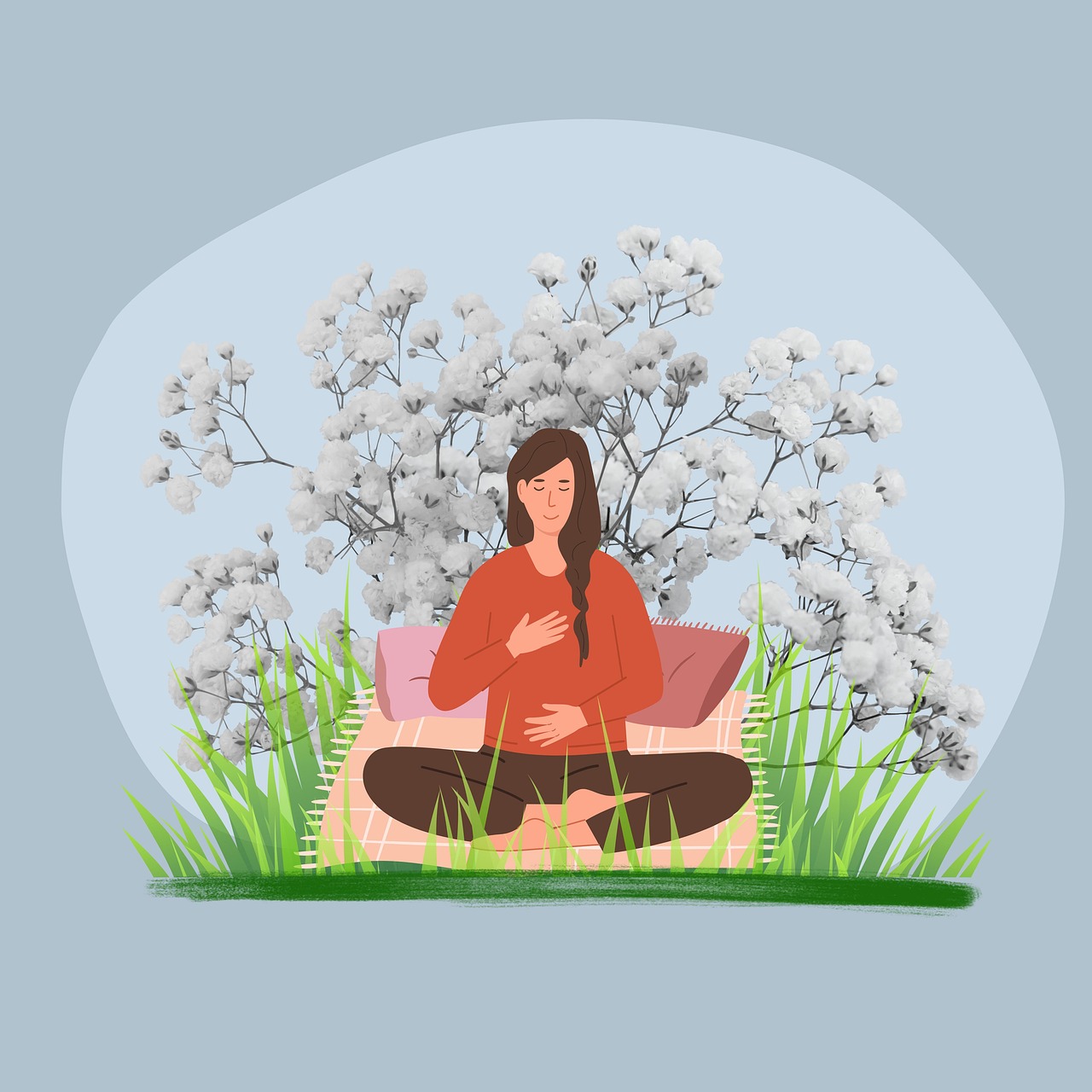
Breathing techniques offer a simple yet effective way to reduce stress and enhance well-being. One of the most effective methods is diaphragmatic breathing, which involves using the diaphragm to maximize air intake. Begin by sitting or lying comfortably. Place one hand on your chest and the other on your belly. Inhale deeply through your nose, ensuring that your diaphragm inflates, causing your belly to rise, with minimal movement in your chest. Hold the breath for a count of four, and then exhale slowly through your mouth. Repeat this process for 5-10 minutes daily or whenever you feel overwhelmed. You can also practice breathing techniques during breaks or while commuting. Implementing these exercises can promote relaxation, clarity, and energy. Over time, these techniques can become more instinctual, leading to better stress management. You may also explore various apps or online resources offering guided sessions to enrich your practice. By consistently integrating these practices into your day, you will likely notice significant improvements in your mood and overall mental health.
Mindful breathing is another technique to incorporate. This practice focuses attention on each breath as it comes and goes, creating a meditative state that can help clear the mind. Start by finding a quiet space and choosing a comfortable position. Close your eyes and take a moment to notice the natural rhythm of your breath. As you inhale, count to four, hold for a moment, and then slowly exhale for a count of six. This technique helps lengthen each breath cycle, promoting relaxation. By minimizing distractions and allowing yourself to be fully present with your breathing, you create an opportunity for deeper reflection and clarity. Consider using a timer for a set duration during which you will focus solely on your breath. You will likely find that even short intervals of mindful breathing can be immensely fulfilling. This practice not only reduces stress but also improves focus, as it trains the mind to resist distractions effectively. To deepen your breathing practice, consider journaling about your experience afterward to identify any thoughts or emotions that arise.
Breathing Techniques for Workplace Stress
For those experiencing stress at work, incorporating breathing exercises during breaks can be highly beneficial. A popular technique is the 4-7-8 breathing method. Inhale deeply through your nose for four counts, hold for seven counts, and exhale slowly through your mouth for eight counts. This exercise calms the nervous system and can be done anywhere, even in a busy office. Try to practice this technique every couple of hours during your workday. You can also create a calming mantra to accompany your practice if that feels helpful. Phrases like ‘release tension’ can enhance your focus on relaxation. Another technique to try is box breathing, which involves inhaling, holding, exhaling, and pausing each for equal counts—commonly four seconds. Utilizing such methods can lead to improved productivity and greater job satisfaction. Remember, taking just a few minutes to breathe can make a substantial difference in your response to stress. Make these techniques a vital part of your workday routine and observe their impact on your overall work performance.
Moreover, pairing breathing exercises with physical movements can amplify their stress-reducing effects. Techniques such as yoga often incorporate coordinated breathing patterns that enhance physical postures. During a yoga session, focus on inhaling deeply as you lift your arms and exhaling as you fold forward. This dynamism promotes not only physical health but also mental clarity and emotional release. Even if you do not practice yoga regularly, you can incorporate similar principles into your routine. Simple stretches combined with intentional breathing can be seamlessly integrated during breaks. You can follow along with yoga videos specifically targeting stress reduction, or simply play calming music while practicing gentle stretches. The aim is to sync your breath with your movements, thereby fostering a mind-body connection that is incredibly soothing. Regularly dedicating time to such activities can lead to increased resilience against stress in your daily life. Integrate these simple practices into your existing routine to enjoy long-term benefits for both your physical and mental well-being.
Utilizing Breathing Hooks
A practical approach to remembering to breathe consciously throughout your day is to establish ‘breathing hooks.’ These hooks are triggers related to daily activities that remind you to practice your breathing techniques. For example, each time you check your email, take a moment for a few deep breaths. Or, you might incorporate these techniques when transitioning from one task to another. To effectively implement this strategy, identify specific tasks you perform frequently and associate them with a breathing exercise. This will turn these moments into a natural pause, allowing for reflection and stress release during a busy day. Another option is to set reminders on your phone, prompting short breathing sessions. Remember that consistency is key; the more you associate these hooks with breathing techniques, the more second nature they will become. Keep your practice varied to prevent monotony, exploring different techniques to maintain engagement. Over time, you will develop a richer awareness of your breath, ultimately enhancing your emotional resilience in challenging situations.
Moreover, engaging in community practices can amplify the effectiveness of your breathing techniques. Consider joining a local meditation or yoga group. These community gatherings can provide support and encouragement in maintaining consistent practice. Many people find that when they surround themselves with others committed to wellness, they feel more motivated to engage in healthy habits. Participating in group settings often boosts morale and accountability. You can also explore online forums and social media communities where individuals share their experiences and breathing techniques. This collective knowledge can inspire your own practices and introduce you to new methods tailored for stress management. Whether it is following along with livestream classes or joining face-to-face gatherings, the communal aspect can significantly enhance your journey toward health and wellness. Keep an open mind and be willing to explore various group opportunities that suit your preferences. Establishing meaningful connections alongside your breathing practice can lead to lasting friendships and personal growth, benefiting both your mental and physical health.
Conclusion and Personal Commitment
In conclusion, integrating breathing techniques into your daily routine can profoundly impact your ability to manage stress effectively. By practicing various methods, you can identify which techniques suit your lifestyle best. Remember to be patient with yourself during this process. It might take some time to find the rhythm that works for you. Make a personal commitment to set aside time each day for your breathing exercises, starting with just a few minutes. Gradually increase the duration as you become more comfortable. Keep track of your progress and notice how you feel physically and mentally over time. The benefits of regular breathing practices extend beyond just moments of stress relief; they can result in improved emotional intelligence, self-awareness, and overall well-being. Furthermore, the journey becomes more enjoyable when you share it with others. Consider bringing friends or family members into your practice, fostering a supportive environment that encourages growth. With dedication and a positive mindset, you will cultivate a lasting relationship with your breath that nourishes your body and mind.
Tips for Sustaining Your Practice
To ensure sustainability in your breathing practice, set realistic goals for yourself. Start with short sessions and gradually increase as you feel more comfortable. Take note of how your body responds to different techniques, adjusting as needed to suit your preferences. Having a dedicated space for your exercises can also enhance focus and consistency. Make this space inviting and calming, perhaps with soft lighting and gentle scents. Consider keeping a journal to track your experience; documenting your journey not only serves as a reminder of your progress but also helps maintain motivation. Additionally, watch videos or read books on advanced techniques to deepen your understanding of breathwork. Surround yourself with resources that inspire you and perhaps connect with specialists who can provide personalized guidance. Remember that it is normal to have days where practices may feel less effective. Allow for flexibility and self-compassion throughout your journey. Ultimately, the key is to stay connected to the present moment, using your breath as a tool for navigating through both stress and tranquility.