
Role of Pilates in Supporting Pregnancy with Medical Concerns
Pregnancy can often present unique challenges, especially for those with medical complications. Women coping with conditions such as gestational diabetes, hypertension, or preeclampsia understand the importance of maintaining a healthy lifestyle during pregnancy. Pilates, known for its gentle yet effective exercises, provides numerous benefits tailored to support these women. This fitness method focuses on building core strength, enhancing flexibility, and improving posture, all of which are crucial during pregnancy. The systematic engagement of deep abdominal muscles helps stabilize the pelvis and lower back, promoting better body mechanics while also alleviating discomfort. Additionally, Pilates encourages breath awareness and relaxation techniques that can significantly ease anxiety levels related to pregnancy concerns. Collaborating with a certified Pilates instructor ensures that movements are safe and modified appropriately. Thus, Pilates can be incorporated safely into a prenatal fitness regimen, resulting in improved outcomes for both mother and baby. Prioritizing consistent practice fosters physical and emotional well-being, contributing to a positive pregnancy experience despite any medical hurdles. Engaging in mindful exercise is instrumental in preparing the body for labor and delivery, creating an empowering journey through motherhood.
Benefits of Pilates for Pregnant Women
Pilates offers several specific advantages for pregnant women, particularly those experiencing medical conditions. One of the primary benefits is strengthening the pelvic floor, which plays a vital role during childbirth. A strong pelvic floor can reduce complications and enhance recovery post-delivery. Furthermore, Pilates exercises focus on alignment and balance, which help accommodate the body’s changing shape throughout pregnancy. This alignment reduces the risk of discomfort or strain, especially in the lower back. Many women also report fewer aches and pains when they practice Pilates regularly. The controlled and low-impact nature of exercises minimizes injury risks while allowing individuals to engage in physical activity amidst potential complications. In addition, Pilates promotes better circulation, which is essential for both mother and fetus. Improved circulation can help mitigate issues like swelling in the legs, a common problem during pregnancy. Additionally, increased blood flow can support overall health, providing vital nutrients to the baby. Ultimately, the holistic approach of Pilates enhances physical health and emotional resilience, making it an excellent choice for expecting mothers facing medical concerns.
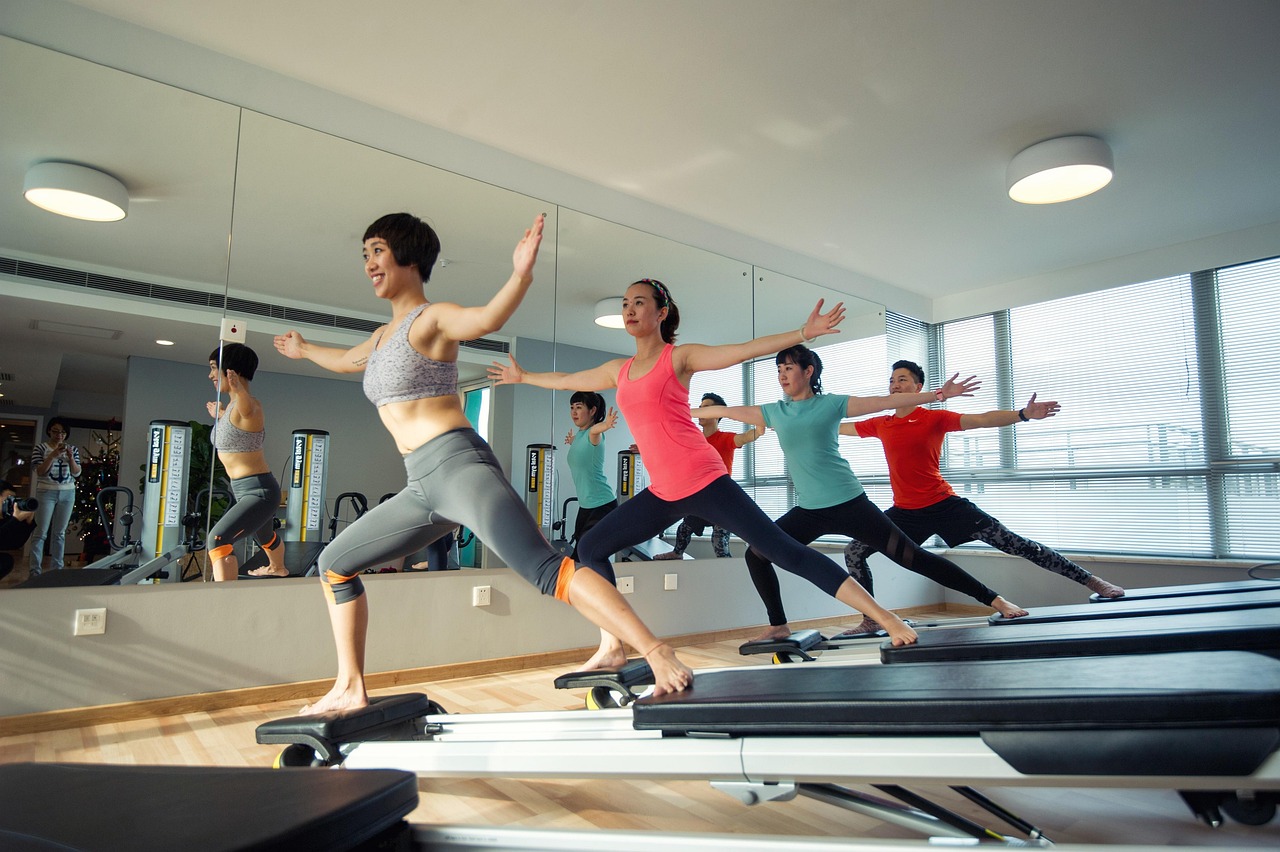
It is essential for pregnant women to pay close attention to their body’s signals during exercise. Listening to the body can prevent overexertion or strain, especially when navigating pregnancy-related complications. Pilates encourages slow, controlled movements, making it easier to be aware of physical sensations and adapt as needed. This mindful practice also fosters a sense of connection between mind and body, which benefits emotional well-being. Maintaining a positive mindset during pregnancy is particularly important, especially when faced with challenges. Finding a supportive group or partner for Pilates classes can enhance motivation and compliance. The social aspect of exercising with others may alleviate feelings of isolation or anxiety. Additionally, many Pilates studios offer programs specifically designed for expectant mothers, which feature tailored routines considering common medical concerns. This supportive environment can create a sense of community and encouragement. Emphasizing self-care through movement can lead to overall improved satisfaction during pregnancy. Women can find joy in practicing Pilates while maintaining a healthy lifestyle. Building a foundation of strength and flexibility fosters a greater sense of empowerment as they transition into motherhood, embracing the journey wholeheartedly.
Safety Considerations for Pilates During Pregnancy
While Pilates can provide excellent benefits for pregnant women, safety is paramount, especially for those with medical concerns. Women should consult their healthcare provider before starting any exercise program during pregnancy, particularly if they have existing conditions. Once cleared, it is essential to work with a trained and certified instructor experienced in prenatal Pilates. These instructors can offer modifications as needed, ensuring safety throughout the practice. Certain exercises may need adjustment or to be avoided altogether, depending on individual circumstances. Avoiding exercises that involve lying on the back after the first trimester is crucial, as this can restrict blood flow to the baby. Furthermore, staying hydrated and maintaining a cool environment during workouts is essential to avoid overheating. Pregnant women should also be encouraged to rest whenever necessary and not to push beyond their limits. Regular check-ins with an instructor can help maintain this balance. Ultimately, prioritizing safety can maximize the advantages of Pilates. Women should feel confident and supported while practicing, knowing that they are taking steps toward a healthier pregnancy despite any challenges.
Incorporating Pilates into a pregnancy fitness routine requires commitment and consistency. Setting realistic goals is important, recognizing that every woman’s journey is different. Practicing Pilates may not only contribute to physical well-being but could also enhance emotional health through positive stress relief. Many women find that physical activity leads to improved mood and decreased levels of anxiety during pregnancy. Choosing to engage in mindful practices can provide time to reflect and connect with the baby. Furthermore, Pilates routines can easily be modified to fit various schedules and lifestyles, allowing for flexibility. Expecting mothers can practice at home with online classes or participate in group sessions at local studios, depending on preference. Whether attending classes or practicing alone, having access to quality resources improves motivation. Engaging in Pilates with other pregnant women offers an avenue for shared experiences and support. This community aspect can act as an encouragement to sustain a regular practice, navigating pregnancy-induced stress collaboratively. Ultimately, the commitment to regular Pilates sessions fosters a strong foundation for a smoother, more enjoyable pregnancy experience.
Conclusion: Embracing Fitness with Pilates
In conclusion, incorporating Pilates into a pregnancy fitness regime can be a transformative experience, especially for women with medical concerns. The multifaceted approach targeting strength, flexibility, and alignment contributes immensely to overall well-being during pregnancy. Women can find empowerment within their bodies, building confidence as they carry their babies. Addressing physical challenges through mindful practice fosters both resilience and joy. By prioritizing safe workouts and listening to their bodies, pregnant women can create a fulfilling exercise routine that supports their unique path. Ultimately, Pilates offers more than just physical benefits; it promotes emotional well-being, alleviating stressors that often accompany pregnancy complications. Friends and family can also encourage expecting mothers to engage in regular movement, emphasizing a supportive atmosphere. Women may discover that participating in local Pilates classes allows them to connect with others, sharing insights and experiences. This camaraderie enhances motivation and commitment to a healthy lifestyle. As they embrace their journey into motherhood, Pilates serves as an invaluable tool that underscores the strength and adaptability of their bodies. Embracing this holistic practice cultivates empowerment, positivity, and overall health for mothers and babies alike.
Throughout pregnancy, personal experiences will vary, and some moments can bring challenges that test physical and emotional fortitude. Embracing Pilates can help navigate these hurdles by creating a safe space to focus on health and wellness. Expecting mothers often develop a sense of agency over their bodies through this unique practice, which encourages self-discovery and acceptance. With the right guidance, Pilates can adapt to each woman’s specific needs and promote the essential connection between body and baby. Establishing body confidence becomes vital, as this can directly influence mental and emotional states. Therefore, prioritizing these aspects through Pilates creates a positive relationship with self that carries through the pregnancy journey. Additionally, regular practice can foster a sense of normalcy and routine in the ever-changing landscape of pregnancy. Connecting with support systems, whether through instructors or fellow attendees, also reinforces understanding and encouragement during this significant life transition. This solidarity bolsters overall health and strengthens resilience while tackling daily responsibilities. The intertwining of fitness and community fosters a spirit of positivity and hope, especially beneficial for mothers facing medical concerns. Cultivating such an environment highlights the profound impact of Pilates on the overall pregnancy experience.
As each pregnancy unfolds differently, the journey may present various obstacles along the way. Embracing a fitness regimen focused on Pilates allows expectant mothers to adapt and cater their workouts to suit personal experiences. The connection women develop with their bodies helps to foster confidence and support emotional health. Furthermore, maintaining open communication with healthcare providers ensures that training is adapted according to individual needs. This balance facilitates safe engagement with fitness while addressing specific medical concerns. It’s this tailored approach that maximizes the benefits of Pilates, allowing women to thrive during pregnancy. Staying adaptable is crucial, as physical fitness is not uniform and changes throughout the maternity journey. Pilates can offer a refuge and help women reconnect with their bodies. By paying close attention to signals from within, pregnant women build deeper insights into their needs. This awareness further supports their pregnancy journey, creating a nurturing foundation for both mother and baby. Ultimately, the gentle guidance provided by Pilates complements the many changes that come with pregnancy. It enhances physical strength and emotional resilience, ultimately empowering women to embrace motherhood wholeheartedly.