
The Use of Drones in Youth Sports Training and Analysis
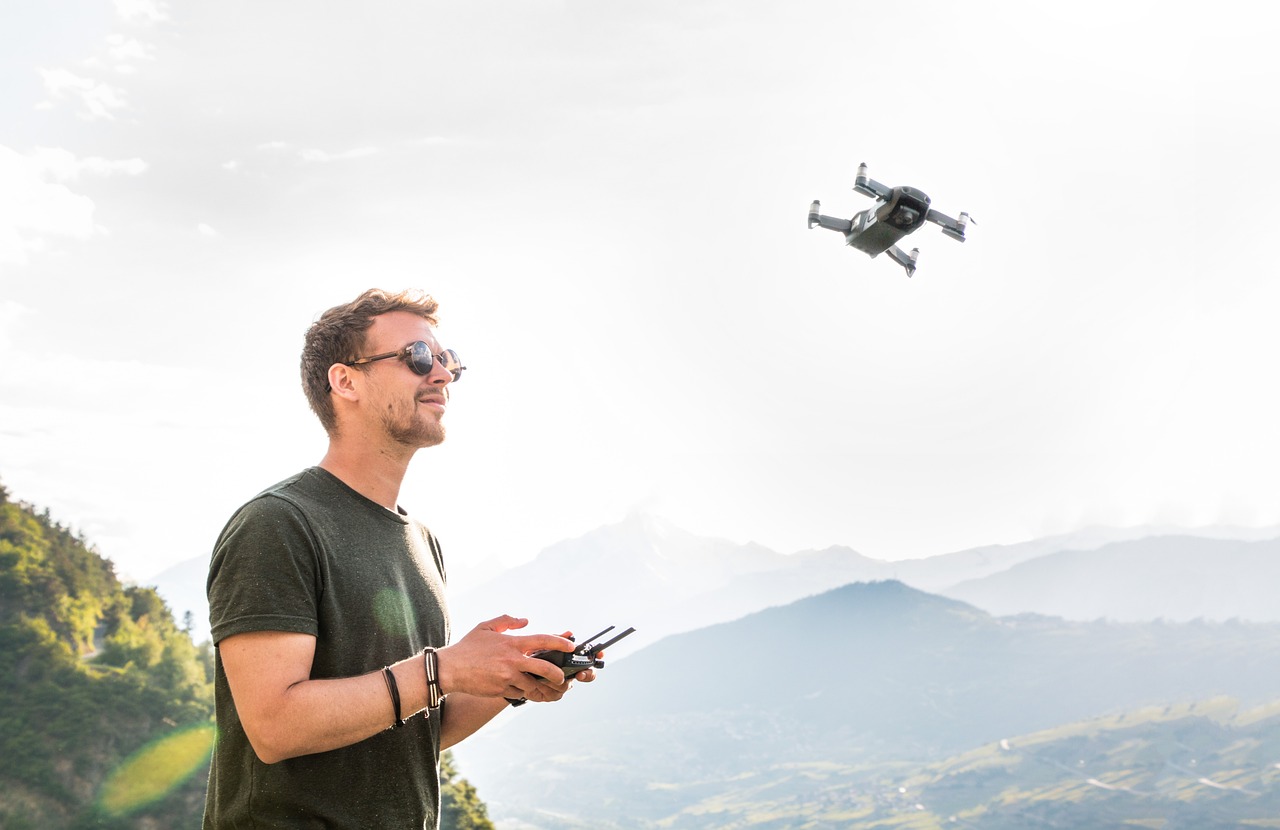
The incorporation of drones in youth sports training represents a groundbreaking advancement that dramatically reshapes methodologies in athlete development. With the ability to capture high-definition aerial footage, coaches can analyze players’ performances from unique perspectives, helping identify areas for improvement. Drones also enhance engagement by providing students with innovative technologies, motivating them to participate more actively in training sessions. When athletes see their motions analyzed in real-time, they gain insights into their techniques that traditional video recordings cannot offer. Furthermore, by utilizing drones during practice, teams can gather extensive data on player movements, energy expenditure, and skill execution. Such data-driven insights can lead coaches to implement tailored strategies that cater to an individual athlete’s strengths and weaknesses. In addition, a drone’s capability for real-time tracking and measurement can streamline feedback sessions between players and coaches, fostering a culture of continual improvement. As youth sports increasingly encompass technology, drones serve as a critical tool in developing the next generation of athletes into skilled competitors prepared for future challenges.
Drones Enhance Coaching Analytics
Employing drones in youth sports also facilitates a deeper understanding of individual athlete performances. This innovative technology captures precise metrics about speed, agility, and overall portability within specific game scenarios. Coaches can leverage this information to ensure they provide tailored training approaches suited to each athlete’s developmental needs, ultimately cultivating their skills more effectively. Furthermore, analysis derived from drone footage in collaboration with software applications can yield performance graphs, heat maps, and other valuable statistics. By examining these analytics, real-time coaching adjustments can be made while ensuring that young athletes develop holistically over time. In team-based sports, drones can help track teamwork dynamics, showcasing how well players synchronize with each other and adhere to game strategies. Consequently, coaches can identify which combinations of players thrive together, leading to improved team performance. The immersive experience presented by drones not only empowers young athletes with valuable feedback but also enhances their connection to the sport itself. As sports science continues to evolve, the importance of using sophisticated technological tools like drones in youth athletics will remain paramount.
Furthermore, the accessibility of drones significantly broadens their application in youth athletics, making them an affordable option for trainers and coaches. The falling prices of drone technology mean more sports programs can integrate aerial analysis into their training routines. As a result, youth sports clubs, schools, and academies across diverse disciplines—whether football, soccer, basketball, or track and field—can utilize these tools without breaking the bank. The collective aim of programs embracing drone technology is to prioritize athlete development through modern techniques. Additionally, with user-friendly interfaces, many drone systems are easily adaptable, allowing coaches with minimal tech experience to harness their full potential. Workshops and tutorial sessions are increasingly available, ensuring that even novice coaches can confidently implement drones in practice. By fostering a culture where technology is embraced, youth sports gain momentum in creating efficient training regimes. Moreover, involving young athletes in operating drones can increase engagement and interest in technology, contributing to an overall well-rounded education and appreciation for diverse tools within sports. Hence, drones redefine athletic training while simultaneously nurturing tech-savvy young athletes.
Safety and Compliance in Drone Usage
When integrating drones into youth sports training, ensuring safety and compliance is of utmost importance. Ensuring that operators are certified and follow local regulations surrounding drone usage is essential to mitigate risks during training sessions. Coaches must receive appropriate training in operating drones responsibly to maximize benefits and minimize potential harm. Guidelines and protocols should be established in conjunction with sports organizations to maintain awareness of drone safety practices, weight limits, and operational zones. Furthermore, youth organizations need to acknowledge that communication about drone utilization increases transparency among athletes, parents, and stakeholders. Regular assessments of drone technology can help maintain the equipment’s safety standards ensuring they operate optimally during training. In addition to the operational aspects, ethical considerations around capturing video footage of minor athletes should also be addressed. Obtaining parental consent and using footage strictly for training purposes protects the athletes’ privacy while enhancing trust among families and the organization. By prioritizing safety, sports teams can provide young athletes a safe environment to benefit from the advanced capabilities drones can offer during their development.
Moreover, the application of drones transcends mere performance tracking; they serve as tools for strategy formulation and game analysis. The ability to visualize plays from an aerial perspective significantly enhances coaches’ understanding of game dynamics. This is particularly beneficial for sports where spatial awareness is crucial for success. Coaches can analyze formations, spacing, and movement patterns, which serves as a vital strategy for future games. With drones, intricate game elements become clearer, enabling more informed tactical adjustments. Young athletes gain a better understanding of their roles within their teams when they see this visual representation of game mechanics. The comprehensive footage provided by drones not only enables better preparation before matches but also enhances in-game decision-making skills. Coaches can dissect video footage of previous games for a thorough analysis, helping young athletes learn from their experiences. Furthermore, this re-review process promotes a culture of reflection and growth among players, nurturing resilience and adaptability in challenging situations. Such technology indeed shapes youth sports dynamics, guiding teams toward success while fostering essential life skills.
The Future of Drones in Youth Sports
The future of drones in youth sports promises to enhance commitment and efficacy across practices, creating a new paradigm for athlete training and competitions. As technology continues to advance, the potential applications for drones will likely expand, introducing even more efficient training methodologies. Future drones may feature enhanced artificial intelligence, enabling autonomous flight and data collection without human intervention. For trainers and athletes, this could mean more elevated standards of training that are responsive and precise. It is possible that as drone technology evolves, it will intertwine with other innovative tools, such as virtual and augmented reality. These combined technologies can immerse young athletes in simulated training environments that accelerate skill acquisition and cognitive development. With a focus on education and experiential learning, the integration of such technologies prepares athletes for the competitive landscape of future sports. As youth sports embrace these trends, opportunities for scholarship and professional careers for young athletes will broaden. The strategic implementation of drone technology positions youth programs at the forefront of fostering elite talent while creating a tech-forward sports culture.
In conclusion, the incorporation of drones into youth sports presents numerous opportunities for development, safety, and creativity. Coaches who embrace this technology not only benefit from actionable insights into performance analytics but also foster a deeper connection with their athletes. Young athletes gain unique perspectives on their skills while developing an appreciation for technology’s role in sports. The multifaceted applications of drones—ranging from technical analysis to safety compliance and future innovations—all contribute to a comprehensive approach to youth athletics. The incorporation of drones also provides an engaging experience that promotes passion and interest in sports, while simultaneously building essential skills required in a modern, tech-driven world. Building a culture that prioritizes safety, transparency, and ethical practices ensures that the potential benefits of drone usage in sports are maximized. As youth athletics continues to integrate innovations like drones, the landscape will evolve, creating competitive yet nurturing environments for future athletes. Hence, the flourishing relationship between technology and sports is one that holds great promise for the next generation of confident, skilled competitors.
The essence of leveraging drone technology in youth sports allows for progressive development paths. As training methodologies evolve, youth coaches must stay informed about technological advancements, particularly drones. As advancements continue to emerge, the relationship between youth sports and drone technology will redefine training environments. By embracing this relationship, youth sports will undoubtedly pave the way for a new generation of athletes who are as skilled in their sports as they are knowledgeable about the tools driving their development.