
Safe and Effective Postpartum Exercises You Can Do at Home
Postpartum home workouts are vital for mothers recovering from childbirth. Engaging in safe, effective exercises can elevate mood, enhance physical well-being, and improve overall health. Having a safe routine helps the body heal, strengthens muscles, and boosts energy levels. Start with gentle activities. Breathing exercises and pelvic floor workouts are great for stabilizing. As strength builds, consider light aerobic routines, such as walking or low-impact dancing. Progressing while listening to your body’s needs is essential. Be mindful of changes. Some exercises may need modifications to suit individual circumstances. Always consult a healthcare professional prior to initiating any workout routine, especially after complications. Additionally, consider joining postpartum support groups to benefit from shared experiences and advice. Utilize online resources for guided workouts tailored to postpartum recovery. Look for certified trainers specializing in postpartum fitness to ensure correct form and prevent injury. Consistency is core; short daily sessions can be better than infrequent longer ones. Incorporate your baby into workouts by using them as weights or engaging in playful movement during sessions. These strategies can foster a positive fitness environment at home and build lasting habits.
Gentle Exercises to Start With
Begin with gentle exercises post-delivery to gradually rebuild strength and endurance. Focus on core stability and pelvic floor restoration. Start with deep breathing exercises, which can not only aid in relaxation but also improve lung capacity and posture. Another great exercise is the Kegel, which strengthens pelvic floor muscles crucial for postpartum recovery and bladder control. Engage in basic seated or lying leg lifts to start activating the glute muscles while minimizing strain. Make sure to maintain a neutral spine position to prevent unnecessary pressure on the lower back. You can also engage in gentle stretching to improve flexibility. Simple stretches such as neck rolls or arm circles can relieve tension while simultaneously encouraging mobility. Incorporating a walking routine is wonderful as your body recovers; even short, brisk walks can significantly impact mood and energy levels. Consistency matters more than intensity at this stage. Listen to your body and rest when needed. Avoid pushing into pain; instead, aim for a comfortable stretch or movement. As confidence grows with learning proper movements, shift towards more challenging routines tailored for postpartum women in accordance with personal progress.
Consider bodyweight training to build strength without heavy equipment. Bodyweight exercises apply resistance through your own mass. This style of workout is perfect for women in the postpartum period. It is crucial to understand how to perform exercises correctly to prevent injuries. Great bodyweight exercises for new mothers include modified push-ups, squats, and lunges. Standing wall push-ups are an effective alternative to regular push-ups and also support your body weight safely. It’s important to remember proper form to target the intended muscle groups effectively. Squats help strengthen quadriceps and glutes, enhancing balance and stability. Begin with shallow squats and increase depth as strength grows. Focus on maintaining control through movements. Lunges also enhance muscle tone in legs and core, contributing to stability and mobility when carrying your baby. Aim for 10-15 repetitions of each exercise. Gradually increase sets as you grow stronger and more confident. Always pay attention to your body’s feedback during workouts. Adapt workouts based on your comfort level and progress, ensuring you stay motivated and engaged in physical activity.
Incorporating Cardio Workouts
As recovery progresses, incorporating moderate cardiovascular workouts into your routine can further enhance overall fitness. Low-impact cardio options, such as brisk walking, cycling on a stationary bike, or low-impact aerobics, are excellent choices. These activities improve cardiovascular health without overburdening joints, which may be sensitive during the postpartum period. Walking, especially with your baby in a stroller, allows for bonding while promoting physical activity. Engage in 20-30 minutes of uninterrupted cardio sessions, aiming at least three to four times weekly as they become feasible. Find enjoyable music or podcasts to keep motivation high during workouts. Low-impact dance sessions at home also provide a fun way to engage in cardio while enhancing mood. Dance workouts not only serve as effective fat burners but also foster emotional connections with your baby when playing along. However, every new mom should heed their body’s cues, opting for more leisurely workouts if they experience fatigue or discomfort. Each tiny success builds confidence. Always set attainable goals, progressing steadily as your strength returns and you adapt to new responsibilities. Each step taken toward fitness contributes greatly to long-term health benefits.
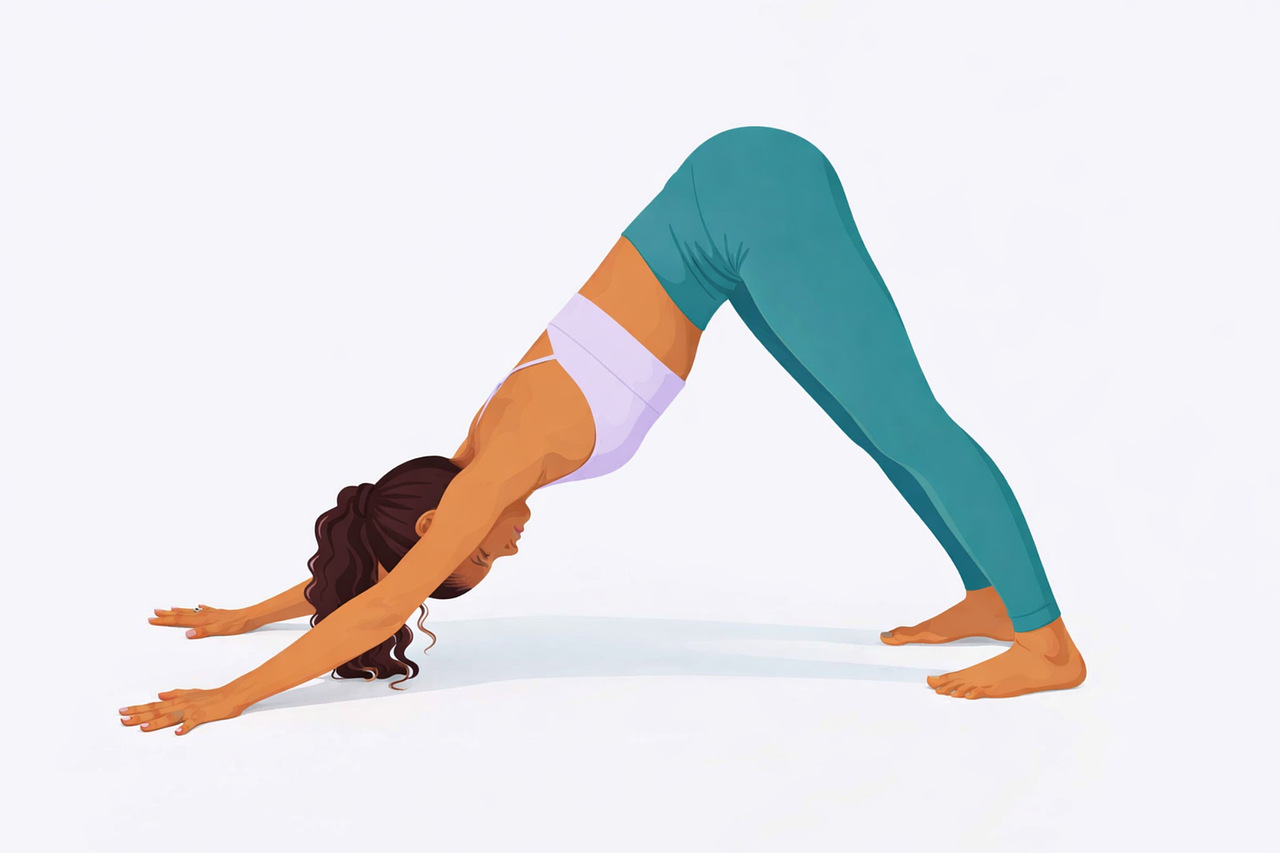
In addition to cardio, consider integrating relaxation techniques into your routine. Postpartum is not just about physical recovery but also emotional well-being. Yoga and Pilates can be incredibly beneficial for this purpose. These practices focus on strength, flexibility, balance, and mindfulness, and can be performed safely at home. Begin with beginner’s classes available online, ensuring they are tailored for postpartum recovery. Focus on poses that nurture core strength and improve flexibility without compromising safety. Always pay attention to how your body feels while practicing. Incorporating baby into these exercises can provide playful bonding moments while taking care of your fitness. Yoga swings or mats can enhance the experience as you teach your baby relaxation techniques. Explore meditation as an option to center your thoughts and relieve postpartum anxiety. Meditation enhances focus and can positively affect your overall mood. Practice deep-breathing techniques whenever tension arises. Building a small home practice doesn’t need extensive time; even 10 minutes can yield benefits. A consistent routine is essential in establishing wellness habits that contribute to long-term health and resilience during this transitional period.
Strengthening Your Core
Core strengthening is crucial for postpartum recovery, as it improves stability and supports the spine. Start by incorporating exercises designed to target abdominal muscles safely. Begin with modifications of traditional exercises, such as the pelvic tilt, which activates core muscles gently. Position your body on hands and knees to better control core engagement; this exercise can help counteract postural changes due to pregnancy. Gradually blend more advanced exercises as strength improves. Aim for light planks and side-lying leg lifts, which further engage the obliques and lower back. It’s essential to ensure proper alignment and breath control throughout each movement. Short sets that do not lead to fatigue should work best. Be mindful of diastasis recti, a common condition after pregnancy that involves abdominal separation. Always speak to a healthcare provider about safe exercises to engage in, especially as you navigate recovery. Comprehensive workouts should integrate both strength-building and flexibility, promoting a well-rounded approach. Consider using resistance bands for added challenge without overloading your body. Adjust workouts gradually while increasing intensity to foster muscle adaptation just as your daily life requires a flexible approach to health.
Hydration and nutrition play crucial roles alongside postpartum workouts. Maintaining adequate hydration ensures that you have sufficient energy for exercise and assists in recovery. Many new mothers often overlook the importance of proper nutrition during this time; nourishing meals are essential for providing the necessary nutrients your body requires to heal. Incorporate plenty of fruits, vegetables, whole grains, and lean proteins to support overall health and postpartum recovery. Creating a balanced meal plan may feel overwhelming, but simple prep can ease stress. Preparing meals on days off or involving family members can help create a supportive atmosphere. Consider prepping smoothies full of greens and protein for a quick option post-exercise. These can provide essential vitamins to promote healing and wellbeing. Avoid excessive caffeine or sugary drinks that can lead to crashes. Instead, stay focused on hydration through water, herbal teas, or healthful detox drinks. Even mindfulness in eating can aid in recovery. Join community support systems that focus on cooking and nutrition. A nurturing and encouraging environment fosters motivation and establishes healthy lifestyle habits to pursue during your journey to renewed fitness post-baby.
Conclusion: Embracing Your Journey
Postpartum fitness is a personal journey influenced by various factors such as lifestyle, energy levels, and support systems. Safety is the priority when resuming physical activity; the key is to be gentle with yourself and recognize your body’s adaptability. Celebrate every small achievement as you embrace new roles as a mother. Understand that everyone’s postpartum experience is unique. Therefore, what works well for one individual may differ for another. Listening to your body is paramount; gradual progress will yield lasting results. There’s no deadline for returning to pre-pregnancy fitness levels. Nourishing yourself through gentle workouts, restorative practices, and a supportive diet contributes to a stronger and healthier self. Connect with other parents on similar journeys and build community support to keep motivation levels high. Resources will help offer guidance, encouragement, and invaluable tips. As you work towards your fitness goals, always prioritize mental health and emotional wellbeing through mindfulness practices. Enjoy this time, embracing the joy and challenges of new motherhood while establishing a healthy framework to foster lasting habits through consistent practice.