
Meal Planning Tips for an Active Lifestyle
Meal planning is crucial for anyone leading an active lifestyle. It helps individuals stay organized and ensures they consume the necessary nutrients to maintain energy levels. To get started, consider designating a specific day each week for meal prep. This practice allows you to have all your meals planned out, reducing daily decision fatigue. When selecting recipes, prioritize those that offer good protein sources, healthy fats, and whole grains. Preparing versatile ingredients, like grilled chicken, quinoa, or roasted vegetables, will allow you to create multiple meals throughout the week. Keep portion sizes in mind; it’s essential to fuel your body properly without overdoing it. Additionally, investing in quality food storage containers can make a significant difference in maintaining the freshness of your prepped meals. Having everything ready to go simplifies your routine and keeps you on track with your nutritional goals. Don’t forget to include snacks in your meal plan, such as nuts or yogurt, to avoid energy slumps. Meal planning can dramatically improve your diet and support your active lifestyle.
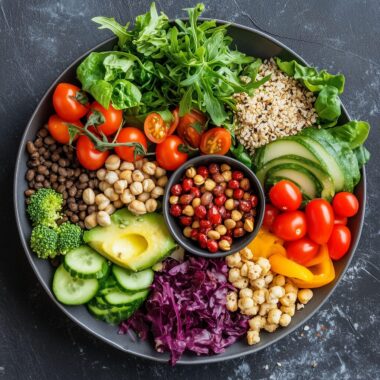
A well-balanced meal plan is a key contributor to success in achieving fitness goals. Including a variety of food groups ensures your body receives essential vitamins and minerals. Aim for a colorful plate filled with lean proteins, vegetables, healthy fats, and complex carbohydrates. Each group plays a vital role in fueling your workouts and overall health. For example, lean proteins like chicken or tofu help repair and build muscle. Meanwhile, complex carbs found in brown rice or sweet potatoes provide lasting energy. Don’t overlook the importance of hydration. Water plays an essential role in digestion and energy levels. Try to drink enough water throughout the day, and consider incorporating hydration into your meal plan. Creative options like infused water with fruits or herbs can make this easier and more enjoyable. Keep an eye on portion control, especially if you are monitoring your calorie intake. Understanding serving sizes can help ensure you’re eating enough to support your activity levels without excessive calorie deficits. This balance is key for maintaining an active lifestyle and achieving fitness goals.
Smart Grocery Shopping
To execute an effective meal plan, smart grocery shopping is essential. Start by making a detailed shopping list based on your meal prep plans. Stick to this list to avoid impulse buys that can derail your nutrition goals. Additionally, consider shopping the perimeter of the store where fresh produce, meats, and dairy items are often located. This area typically has healthier options compared to the aisles filled with processed foods. Buy seasonal fruits and vegetables, as they are fresher and often more affordable. Also, purchasing in bulk can save money and minimize trips to the store, especially for non-perishable items like grains and legumes. Before heading out, take inventory of your pantry and fridge to avoid unnecessary purchases. It’s essential to plan not just for meals but for snacks as well. Healthy snacks can come from planned meals or quick-prep items like fruit and nut bars. This approach will support your energy demands throughout the week. Having everything ready will make it easier to stick to your plan and stay committed to your fitness journey.
Once you have completed your grocery shopping, it’s time to tackle meal prep efficiently. Set aside a few hours on your designated prep day to cook all the components you will need for the week. This may include batch cooking grains, roasting vegetables, and preparing proteins in advance. Portioning these items for easy access during the week can help streamline your cooking process. For example, you can cook a large batch of quinoa and portion it into containers for different meals. Keep your kitchen organized, and label your containers with the contents and date they were made. This way, you can quickly grab what you need, minimizing the time spent cooking each day. Another great tip is to utilize your freezer. Freezing portions of meals can be a lifesaver for busier days. When it comes to cooking methods, consider healthier options like steaming, grilling, or baking instead of frying. These techniques will help preserve the nutrients while keeping your meals delicious. Meal prep not only saves time but also reinforces your commitment to nutrition in your fitness journey.
Integrating Variety into Your Meal Plan
In order to keep your meals interesting, it’s vital to integrate variety into your meal plan. Eating the same meals repeatedly can lead to boredom and demotivation. Try experimenting with different cuisines, flavors, and ingredients. This approach not only satisfies your palate but also helps ensure a well-rounded intake of nutrients. For instance, if you typically prepare chicken with vegetables, explore marinades or different cooking styles to change the flavor profile. Incorporate international dishes that highlight different spices and ingredients. Try cooking a Thai curry one week and a Mediterranean quinoa salad the next. Also, consider exploring vegetarian or vegan recipes to diversify your protein sources. This can increase your intake of fruits, vegetables, and legumes, further bolstering your nutrition. Utilize seasonal ingredients to inspire variety, as they tend to be fresher and tastier. Planning theme nights, like Taco Tuesdays, can make meals more exciting and provide a fun twist on your dining experience. Keeping your meals diverse plays a significant role in maintaining long-term healthy eating habits.
In addition to variety, adapting your meal sizes to your activity levels can enhance your nutrition. On days when you have intense workouts planned, consider increasing your carb intake for extra energy. Options like oatmeal, sweet potatoes, or fruits can help fuel your performance. Post-workout, focus on recovery by incorporating proteins and nutrients your body craves, such as protein shakes or grilled chicken salads. On lighter activity days, listen to your body’s hunger cues and adjust portion sizes accordingly. Keep in mind your body needs fewer calories on rest days. Make use of leftovers in your meal planning to ensure nothing goes to waste. This strategy can save time and keep meal prep manageable. Furthermore, it supports weight management while still providing ample nutrients your body requires. Before training sessions, try scheduling lighter meals that are easily digestible, such as smoothies or yogurt. Ensuring proper nutrition aligns with your weekly fitness activities can empower your performance and support your active lifestyle goals effectively.
Tracking Your Progress
To ensure that your meal planning is effective, tracking your progress can provide insight into how well your nutrition supports your fitness goals. Consider using apps or journals to log your meals and reflections on how they affect your energy levels during workouts. Reflecting on your dietary habits can help identify areas that may need adjustments. Monitoring your body’s response to different meals can also provide valuable information about what works best for you. If you notice consistent fatigue or lack of energy, it might be time to reevaluate your nutrient intake and meal size. Furthermore, don’t forget to celebrate your successes! Whether it’s reaching a specific fitness goal or feeling energized throughout the week, acknowledging your progress can motivate you to maintain your routine. Remember that meal planning is a journey rather than a destination. Be open to making changes based on your insights and adapt your plans accordingly. Consistency is key; maintaining healthy eating habits will support not just physical health, but also mental and emotional well-being.
Lastly, involving your family or friends in your meal planning can create a supportive environment. Sharing the responsibility of cooking and meal prep can strengthen bonds and keep everyone accountable for their nutritional choices. Plan meals together or take turns preparing meals for each other to diversify options and reduce daily decisions. Kids can be introduced to cooking through simple recipes to develop healthy eating habits early. Having a partner or friends join you in this journey can help you stay motivated and committed to your goals. Furthermore, participating in online groups or community events focusing on nutrition can provide additional support and education. Engaging with others who share your interests promotes accountability and inspiration, leading to sustained commitment to meal planning and fitness objectives. Leverage social media to find resources, recipes, and communities that align with your lifestyle. Building a sustainable meal planning strategy will take time and effort, but the benefits to your health and fitness goals will be worth it. Remember, each small step taken towards better nutrition contributes to a healthier, more active lifestyle.