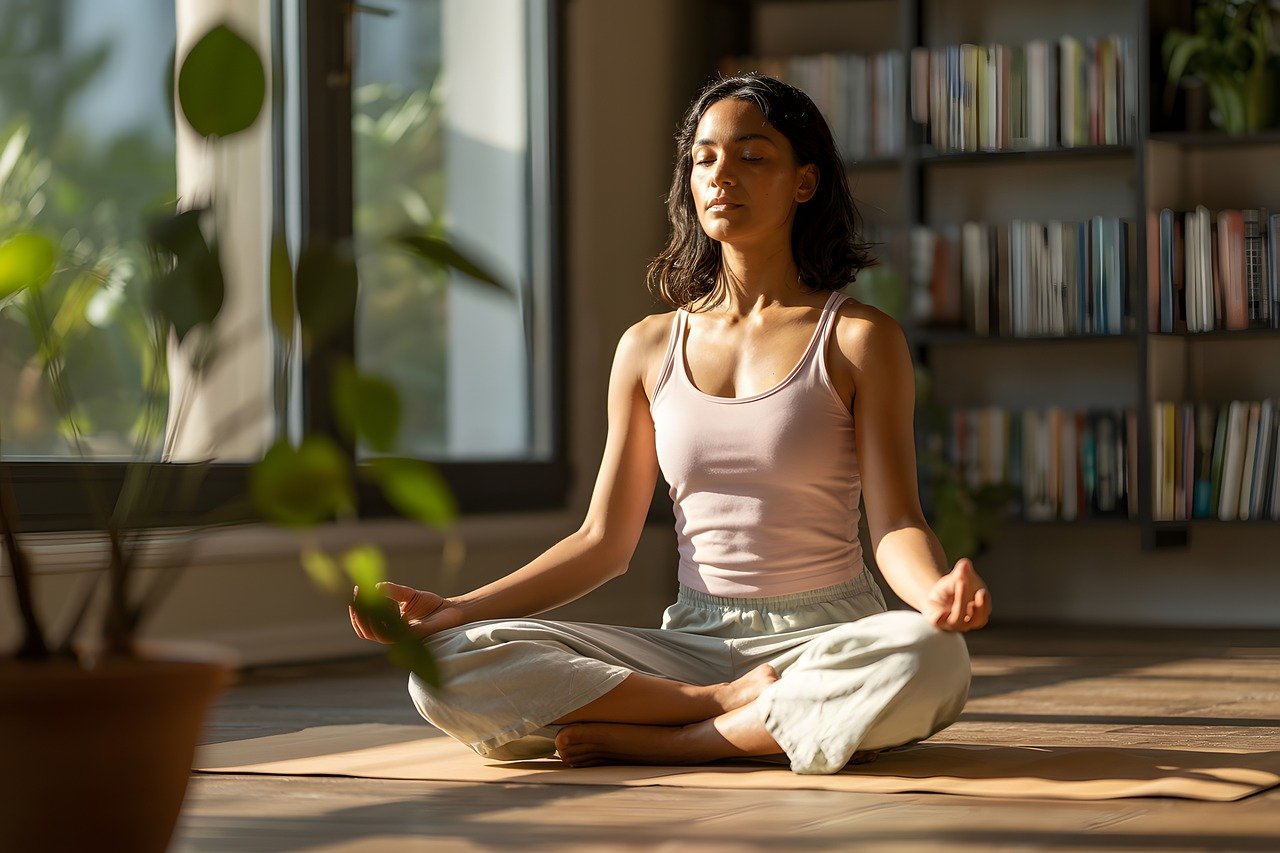

How to Use Meditation to Improve Sleep and Reduce Stress
Meditation is a powerful technique that can significantly aid in stress relief and enhance the quality of sleep. By practicing meditation, individuals cultivate a calm mind and regulate their emotional responses to stressors. This mental practice encourages relaxation, helps to balance the nervous system, and can even reduce symptoms of anxiety. Many people find that, through meditation, they can detach from daily pressures and foster a more peaceful state of being. Starting with just a few minutes daily can be very beneficial. Those who incorporate meditation into their nighttime routines often experience improved sleep quality. The practice encourages mindfulness, allowing the mind to unwind before bed. Moreover, specific techniques such as guided imagery or body scans help to release tension and promote tranquility. Whether it is deep breathing or visualization, meditation offers a variety of strategies applicable to individual preferences. In tumultuous times or amidst chaos, meditation acts as an anchor, leading to a more serene mental atmosphere. Regular practice can ultimately form a habit that transitions into a lifestyle change, promoting overall well-being and relaxation.
The Science Behind Meditation and Stress Relief
Research shows that meditation has remarkable effects on the brain and body that help alleviate stress. It activates the parasympathetic nervous system, lowering heart rates and decreasing levels of cortisol, the stress hormone. Various studies indicate that consistent practice can lead to increases in grey matter density in brain regions related to emotional regulation. This suggests that meditation not only calms the mind but may also reshape neural pathways, fostering resilience to stress. Furthermore, as practitioners focus on their breathing, they frequently enter a state of mindfulness, where distractions fade away. This heightened awareness allows individuals to observe thoughts without judgment, reducing anxiety levels. In contrast, habitual negative thinking patterns can diminish when meditation introduces positive affirmations and gratitude practices. Programs that incorporate meditation often report not just decreased stress but also improvements in sleep metrics, emotional health, and overall life satisfaction. Individuals may discover that clarity in thought and focus improves with regular meditation, empowering them to face challenges with a more composed, less reactive mindset. Thus, the transformation meditation offers can significantly enhance various aspects of life.
To effectively use meditation for sleep improvement, it’s essential to establish a conducive environment. This means creating a calming space in your home where you can practice meditation without distractions. Utilizing soft, ambient lighting can set the mood effectively. Additionally, calming sounds or nature playlists can enhance your experience. Aromatherapy with essential oils, like lavender or chamomile, also proves beneficial. These scents promote relaxation and signal the brain that it’s time for rest. Incorporating a consistent meditation schedule helps to form a lasting habit, reinforcing the body’s association between meditation and relaxation. Many studies support the effectiveness of evening meditation practices. Some individuals benefit from guided meditations focusing on sleep, which can be found online or via various apps. As you settle into your practice, focus on creating a rhythm between your breath and thoughts, allowing your body to ease into a state of calm. It’s also helpful to limit screen time before meditation, as electronic devices can disrupt your ability to wind down. By layering these techniques, you can leverage meditation’s calming effects to enhance nighttime routines.
Different Meditation Techniques for Better Sleep
Several meditation techniques cater to those seeking improved sleep. One notable method is mindfulness meditation, which emphasizes being present and observing thoughts without engagement. Practitioners learn to observe their thoughts and sensations without judgment, facilitating a deeper relaxation. Another effective approach is loving-kindness meditation, where individuals cultivate feelings of compassion toward themselves and others. This practice fosters a sense of connection and reduces feelings of isolation, often associated with stress and sleeplessness. Additionally, body scan meditation is beneficial. This technique involves paying close attention to each part of your body, promoting physical relaxation. Working from head to toe, a body scan encourages awareness and helps individuals identify areas of tension. Guided visualizations can also be used, where individuals imagine tranquil and peaceful scenarios. These guided sessions can help transport the mind to a serene place, making it easier to drift off to sleep. Moreover, breath-focused meditation techniques can help distract from racing thoughts and allow for deeper relaxation. By experimenting with these methods, individuals can find the best fit for their unique needs.
Incorporating physical components into your meditation practice can also help with stress relief. Gentle stretching or yoga can prepare the body for a seated meditation session. This combination supports physical well-being and contributes to mental clarity. You can start your routine with a few minutes of light stretches to open up tight muscles before sitting quietly. This merging of light movement and stillness allows for a more profound release of built-up tension. It encourages blood flow and elevates energy levels. Furthermore, the practice of deep breathing is crucial. Focusing on slow, intentional breaths can activate the body’s relaxation response. Engaging in diaphragmatic breathing helps to calm thoughts and steady the heart rate. Establishing this connection between breath and awareness deepens the meditative experience. As the mind opens, you can further explore deeper feelings of gratitude and acceptance towards the present moment. This holistic approach supports the mental and physical attributes of stress relief. Ultimately, pairing meditation with gentle movement offers an effective means of combating stress while enhancing overall well-being.
Making Meditation a Daily Practice
Building a consistent meditation routine requires commitment and adaptability. Start by scheduling specific times when meditation fits easily into your daily agenda. Whether you choose to meditate in the morning or at night, maintaining a routine helps reinforce the habit and maximizes benefits. For those new to meditation, using guided sessions can offer structure. Many free resources are available online, providing access to various styles and formats tailored to individual needs. Setting realistic goals will also help maintain interest and prevent overwhelm. Even five minutes can yield positive effects, gradually increasing session lengths as comfort grows. You can also create reminders in your schedule to ensure you prioritize meditation each day. As you make meditation a regular aspect of your routine, you might find yourself becoming more naturally inclined to engage with it even on challenging days. Additionally, keep a journal to track your thoughts, feelings, or experiences during meditation. Over time, you may compile insights that reflect in the way you perceive stress or challenges faced throughout the day. By cultivating this practice, you establish a solid foundation for ongoing personal growth.
Lastly, support from a community can enhance your meditation practice and boost motivation. Joining meditation groups, either online or in person, allows for shared experiences and collective insights. Group meditations can foster a sense of belonging, enriching personal growth through connection. Many people find that sharing their practices and challenges with others encourages accountability and persistence. There are numerous online forums and local meetups dedicated to meditation and stress relief. Platforms like Meetup or social media groups offer opportunities for interaction with like-minded individuals. Regular attendance at these gatherings can stimulate learning new techniques while providing space for communal support. Additionally, attending workshops led by experienced practitioners can deepen your understanding and offer fresh perspectives. By engaging in these supportive environments, individuals may unlock new motivations or insights in their journey towards better stress management. Ultimately, combining personal practice with community support creates a dynamic environment that enriches the meditation experience while enhancing resilience against stressors.