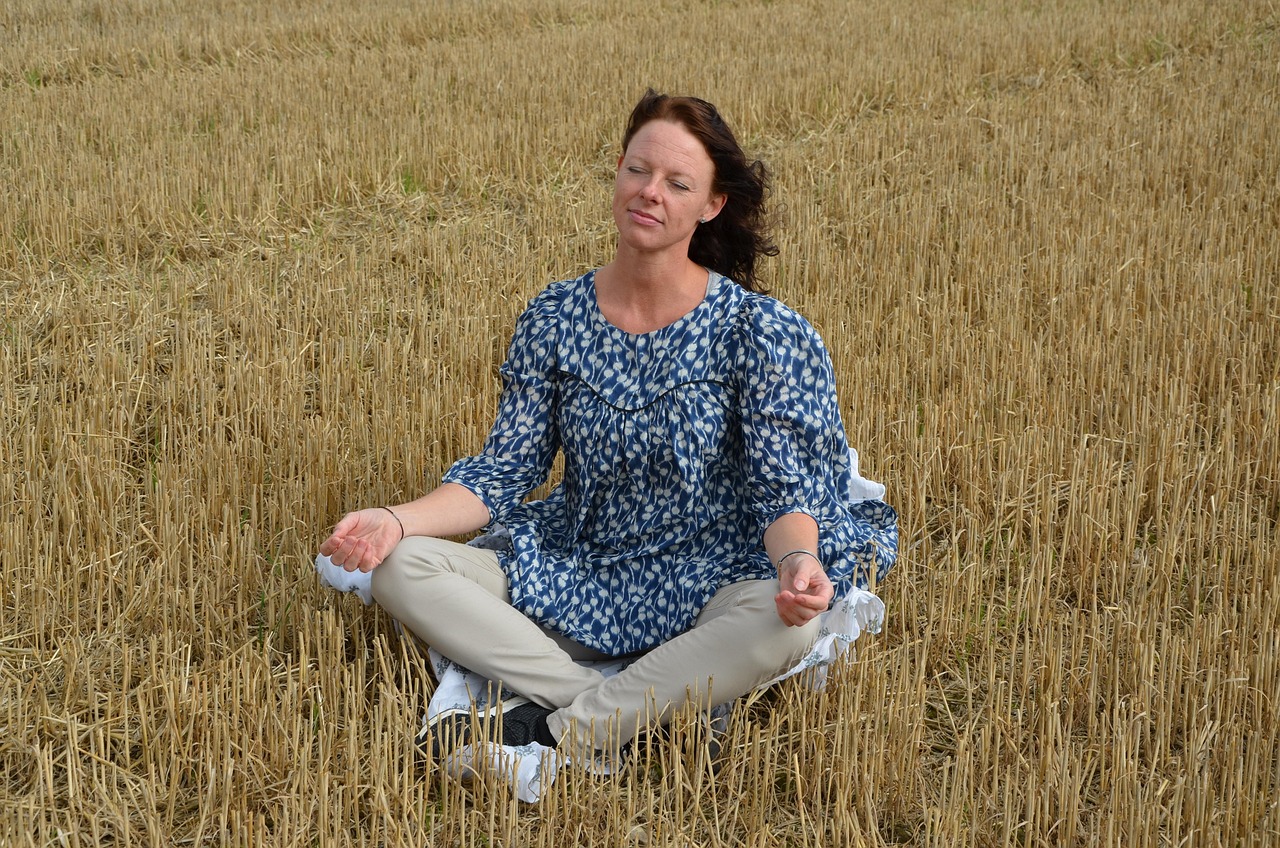

Meditation and Yoga for Seniors with Mild Cognitive Impairment
Meditation and yoga have been effective options for enhancing wellness, especially among seniors facing mild cognitive impairment. These practices not only alleviate anxiety and stress but also promote emotional well-being. Regular participation in yoga stimulates the mind and body, creating a holistic approach to health. Through gentle movements and mindful breathing, older adults can enhance their cognitive health while building physical strength. Importantly, these activities can be tailored specifically for seniors, allowing for modifications that accommodate fluctuations in range of motion or stamina. Engaging in both meditation and yoga regularly fosters a sense of community among participants, resulting in improved social interaction. This is significant since maintaining social connections can play a crucial role in cognitive health as individuals age. Furthermore, it encourages independence and motivation among seniors. Opportunities to engage in friendly interactions during classes can boost confidence in performing daily activities independently. Therefore, practitioners should focus on gentle, restorative poses and mindfulness techniques suited for seniors. The infusion of meditation alongside yoga practices can further aid memory retention, making these techniques particularly valuable for seniors dealing with cognitive challenges.
Additionally, meditation techniques such as mindfulness can significantly affect the cognitive health of seniors. Mindfulness emphasizes being present and fully engaged with the moment, aiding in reducing mental stress and distractions. This can combat some effects of cognitive aging by strengthening attention skills. Furthermore, studies suggest that meditation, particularly focused attention and open monitoring meditation styles, may positively influence brain activity. Seniors practicing meditation regularly often report enhanced concentration, improved mood, and increased overall life satisfaction. By learning effective meditation techniques, seniors can cultivate a resilient mind, essential for navigating life’s challenges. Group meditation sessions can also provide a supportive environment where seniors exchange experiences and encourage one another. Practicing these techniques minimizes social isolation, which often exacerbates cognitive decline. Instructors focusing on ease and accessibility can aid seniors in incorporating these methods into their daily routines efficiently. As the structured routines develop, so do the benefits seen in mental health and cognitive function. In light of these considerations, the combination of meditation and yoga proves an essential component for seniors aiming to maintain cognitive vitality, as they age gracefully and healthily.
Benefits of Yoga for Cognitive Functioning
Yoga, with its combination of physical postures, breathing exercises, and meditation, serves multiple benefits for seniors. It promotes flexibility, balance, and strength, essential factors for maintaining independence as one ages. The physical aspect of yoga leads to improved blood circulation, which can enhance brain function, while simultaneously boosting mood and alleviating symptoms of depression and anxiety. Various yoga postures, particularly those focusing on balance and stability, have shown promise in reducing the risk of falls, a serious concern for seniors. Additionally, the practice of yoga encourages seniors to engage in a routine that emphasizes mindfulness. When seniors focus on the present moment during their practice, it can reduce feelings of anxiety and stress significantly. Research indicates that engaging in regular yoga can lead to structural changes in the brain areas associated with cognition and emotional regulation, promoting mental resilience. As seniors participate in yoga classes, they are often introduced to a community that fosters support and encouragement. This connection can further fortify cognitive engagement, making yoga a multifaceted approach to enhancing the well-being of seniors dealing with cognitive impairment.
Incorporating meditation into a senior yoga routine can significantly elevate the benefits experienced. Meditation can range from focused breathing, visualization, or guided imagery, enhancing emotional and cognitive performance. As seniors engage in regular meditative practice, studies indicate that they can experience improved attention spans, faster processing speeds, and enhanced problem-solving skills. This neuroplasticity is helpful for seniors navigating cognitive decline. It’s essential to encourage seniors to tailor meditation experiences based on their comfort levels. Techniques such as deep breathing and body scans can be integrated seamlessly into yoga sessions, allowing for gradual acclimatization. Moreover, seniors practicing meditation report decreased levels of stress and improved overall mental health, both crucial elements in combating cognitive decline. Sessions that blend meditation with physical movement can often enhance sensory integration and awareness in seniors. Such holistic experiences lead to a more comprehensive understanding of self, enriching mental, emotional, and spiritual health concurrently. Ultimately, it fosters a lasting connection to wellness, empowering seniors to take charge of their cognitive health. The synergistic effects of combining meditation with yoga practices present an appealing option for seniors seeking to thrive in their golden years.
Challenges and Considerations
While the benefits of yoga and meditation for seniors with mild cognitive impairment are apparent, several challenges may arise. Physical limitations, joint pain, or mobility issues may hinder some individuals from participating fully in yoga activities. Thus, it becomes vital for instructors to adapt classes to suit seniors’ varying abilities. Understanding the importance of gentle modifications can make yoga more accessible to those who need extra support. Moreover, some seniors may struggle with maintaining focus during meditation, encountering restlessness or distractions. Teachers should employ techniques to help participants refocus their attention effortlessly, such as utilizing soothing music or ambient sounds during sessions. Establishing a calm environment can be critical in helping seniors feel comfortable and engaged. It may also be beneficial to introduce short bursts of physical activity followed by gentle meditation to assist those who may struggle with longer sessions. Additionally, incorporating group discussions around mindfulness principles can stimulate cognitive activity while promoting social engagement. Overall, increased awareness and understanding of these challenges can lead to more inclusive yoga and meditation practices, benefiting seniors with mild cognitive impairment.
Creating a safe and comforting atmosphere for seniors during yoga and meditation sessions cannot be overstated. This includes utilizing suitable equipment such as yoga mats, blocks, and straps, which can aid in supporting seniors during exercises. Additionally, instructors should ensure adequate space for participants to move freely and safely to prevent accidents or injuries. Encouraging seniors to attend classes with friends or family members can promote a sense of belonging and support throughout the experience. As seniors exercise collectively, they often feel more motivated to maintain consistency in their practices. Building social interactions into classes can lead to lasting friendships, further promoting overall well-being. Furthermore, obtaining medical advice before starting yoga and meditation is advisable, ensuring that health conditions are monitored. Personalization is essential; teachers can point out modifications for individual needs that may arise due to specific medical conditions. Open communication with participants regarding their needs and preferences will assist instructors in creating a secure environment for all involved. With thoughtful considerations and approaches, yoga and meditation can deliver a variety of health benefits for seniors, enhancing their quality of life and cognitive functioning.
Conclusion
In summary, yoga and meditation offer significant cognitive benefits for seniors with mild cognitive impairment. As both practices promote mental clarity, emotional balance, and physical well-being, they form an essential part of holistic wellness. Seniors can not only improve cognitive function but also boost overall health through regular engagement with these practices. With constant adaptation and consideration of individual needs, yoga and meditation can become accessible activities for all seniors. Continued research in this field will ensure that future practices can be optimized for all individuals. Developing strong community connections while practicing can enhance the experience, allowing seniors to feel supported in their journey. As instructors focus on creating inclusive environments that cater to older adults, they will undoubtedly witness the empowering effects that yoga and meditation can exert. Ultimately, these practices can foster resilience and vitality within seniors, encouraging them to embrace their aging journey. Therefore, the integration of yoga and meditation into the daily routines of seniors not only aids in maintaining cognitive health, but also enriches their overall quality of life as they gracefully navigate through the later stages of life.
By integrating yoga and meditation, seniors are appealingly positioned to reap multiple mental and physical benefits, continuously motivating them. Regular engagement in these practices establishes a foundation for better brain health, helping seniors maintain sharp cognitive functionality. They become empowered to connect more effectively with their surroundings, cultivating mindfulness that enriches every moment. As these senior groups gather in classes, they promote camaraderie and support unique to shared pursuits. Consequently, building a community around yoga and meditation sparks joy and fulfillment in participants’ lives. With ongoing encouragement from instructors and peers, seniors often find renewed enthusiasm for practicing mindfulness. All in all, the integration of yoga and meditation caters to the diverse needs of the aging population. Both practices can manifest profound effects when adjusted to fit each individual’s comfort level. Enhancements in mental acuity, emotional resilience, and social integration will significantly improve the lives of seniors dealing with cognitive impairments. Therefore, the focus remained centered on promoting not just physical fitness but also enhancing cognitive function through mindful practices. Undeniably, this multi-dimensional approach lays the groundwork for flourishing as individuals enjoy their aging journey.