
Building Muscle Mass in Men After 40
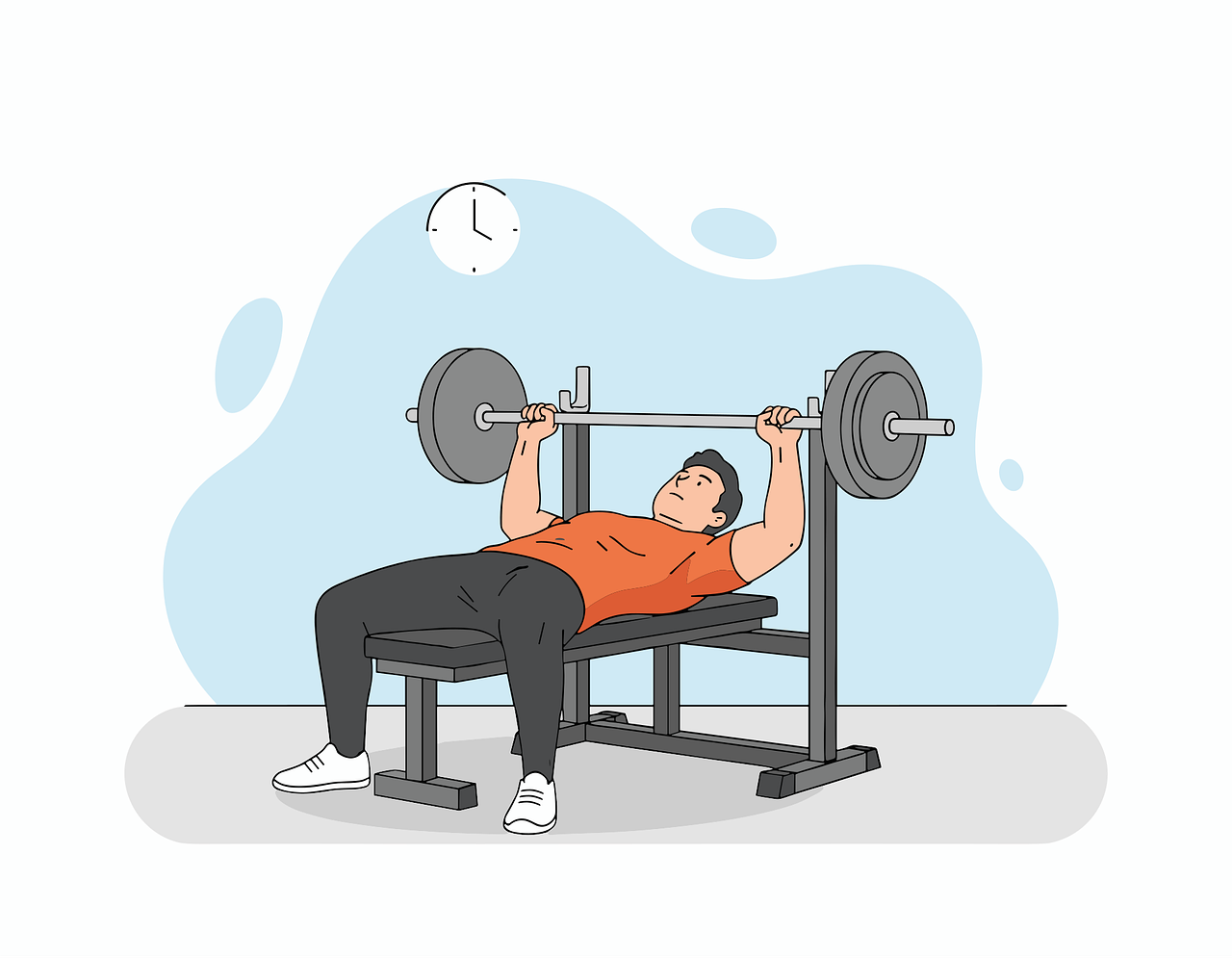
As men age, particularly after the age of 40, challenges associated with building muscle become more pronounced due to hormonal changes, metabolism slowdowns, and lifestyle factors. Understanding these changes is crucial for effective fitness strategies. Notably, testosterone levels begin to decline, which can lead to increased body fat and reduced muscle mass. However, this does not mean that building muscle is impossible. With the right approach, men can significantly enhance their strength and physique. Incorporating resistance training and specific nutritional practices can help counteract age-related muscular decline. Strategies should include utilizing compound movements in workouts, focusing on higher intensity, adequate recovery time, and consuming a protein-rich diet. Noteworthy exercises could include squats, deadlifts, and bench presses. Furthermore, consistency is key: a regular workout schedule can produce better results. Men over 40 should also focus on their overall health, including cardiovascular activity, to promote longevity. Engaging in age-specific fitness programs will help optimize muscle gain and maintain overall wellness. Integrating these elements will set the foundation for successful muscle-building endeavors at any age.
Implementing a well-rounded exercise regimen is essential for men over 40 aiming to increase muscle mass. Resistance training should be the core component; it builds and maintains muscle mass effectively. Aim for at least two to three sessions per week that target all major muscle groups. Incorporate exercises such as push-ups, pull-ups, and dips. Strength training should not be intimidating; many start with lighter weights to build a foundation before progressing to heavier loads. Also, prioritize functionality in workouts. Movements that mimic daily activities will enhance real-life strength. On the other hand, don’t overlook flexibility and mobility work to maintain joint health and prevent injuries. Some effective practices include yoga or dynamic stretching. Additionally, recovery cannot be ignored. As the body ages, healing times may increase, making rest days and proper sleep vital for muscle repair and growth. Consider incorporating active recovery sessions, such as walking or gentle swimming, to keep moving while allowing muscles to recuperate. Lastly, be patient and stay motivated, as muscle-building results might take longer but with dedication, progress is achievable!
Nutritional Support for Muscle Growth
Nutrition plays a pivotal role in muscle building, especially for men after 40. As metabolism slows down, dietary adjustments are necessary to support fitness goals. Emphasize a high-protein diet; protein is essential for muscle repair and growth. Sources such as lean meats, eggs, dairy, legumes, and nuts are excellent choices. Generally, aim for at least 1.2 to 1.6 grams of protein per kilogram of body weight, depending on activity levels. Consuming protein-rich snacks post-workout can significantly boost recovery. Besides protein, ensure sufficient caloric intake; a calorie deficit may hinder muscle gain and instead promote fat loss. Incorporate various whole foods rich in vitamins and minerals for overall health. Complex carbohydrates are also important, as they provide energy for workouts, supporting endurance and performance. Consider timing meals around your workouts; eating a balanced meal before and after training can optimize results. Staying hydrated is equally critical; drink plenty of water to support overall metabolism and performance. The synergy of proper nutrition and exercise will create a successful environment for muscle growth and improved well-being.
Supplementation can be beneficial for men over 40 looking to optimize muscle gains. While whole foods should be the primary source of nutrition, certain supplements may enhance muscle growth and facilitate recovery. Creatine is well-researched and can improve strength and muscle mass, making it a popular choice among athletes. Additionally, branched-chain amino acids (BCAAs) can aid muscle recovery and reduce soreness. Omega-3 fatty acids are also essential for decreasing inflammation and supporting heart health, crucial as men age. Vitamin D and calcium should not be overlooked; both play vital roles in bone health and muscle function. However, before starting any supplementation regimen, it’s wise to consult a healthcare professional or a registered dietitian. They can provide personalized recommendations based on individual health conditions and specific fitness goals. Monitoring overall nutrition and ensuring that the body receives key nutrients is vital for sustainable results. Don’t rely solely on supplements, as they should complement a balanced diet, not replace it. Long-term consistency with nutrition and supplementation is key to visible muscle gains and overall fitness.
Setting Realistic Goals
Setting realistic and achievable goals is fundamental for men after 40 embarking on strength training. Goals provide direction and motivation, making it essential to tailor them to individual capabilities and lifestyle factors. Men should aim for SMART (Specific, Measurable, Achievable, Relevant, Time-bound) goals to enhance clarity in their fitness journey. For instance, instead of casually stating a desire to get stronger, specify the weight one aims to lift within a certain timeframe. Consider time commitments, as balancing work, family, and fitness is crucial for sustainability. Set short-term objectives that lead to larger long-term goals. Focus on small, incremental improvements, like increasing weights or adding repetitions gradually. Celebrate achievements to maintain motivation and encourage continuity, as success reinforces positive behaviors. Additionally, allow for flexibility based on how the body responds to workouts. Older adults might need to adapt goals based on recovery and potential minor injuries. Regular evaluations of progress are essential to stay on track with fitness ambitions, allowing adjustments wherever necessary to maximize muscle-building efforts.
Tracking progress can significantly enhance motivation for men over 40 focusing on muscle building. By documenting workouts, dietary intakes, and physical changes, one gains deeper insights into their fitness journey. Consider using various tools such as fitness apps or journals to effectively monitor your developments. Regularly reassess how your body feels and performs, and note improvements in strength, stamina, or appearance. Baseline measurements, whether it be body weight, muscle circumference, or strength levels will provide reference points for tracking progress. Establishing a routine for evaluations, like monthly reviews, helps maintain focus and adapt training programs accordingly. Understand that setbacks are part of any fitness journey, so don’t be discouraged if progress stalls temporarily. Instead of fixating solely on appearance, focus on performance gains and overall health improvements, such as increased energy levels and better mobility. Engage with support groups or workout partners; accountability and community can uplift motivation levels and share tips. Remember, perseverance is critical in achieving long-term muscle growth objectives, reinforcing the importance of commitment and consistency in your fitness approach.
Conclusion and Lifelong Fitness
In summary, building muscle mass after 40 is achievable with a comprehensive approach encompassing exercise, nutrition, and recovery. Acknowledging age-related changes while actively working towards fitness goals is empowering. Adopting strength training along with best nutritional practices maximizes muscle-building potential. Combine high-protein diets with adequate caloric intake, and don’t shy away from useful supplements if necessary, while ensuring a healthcare professional’s advice. Set realistic goals tailored to your life situation, and track progress for sustained motivation. Remember to include flexibility work, which will support not just workouts but overall movement quality. The landscape of fitness should evolve with age, ensuring that physical activity remains enjoyable and suitable. Engage in activities that bring joy, whether high-intensity or more low-impact options. Lifelong fitness promotes not just physical strength but mental well-being, contributing to overall happiness. Ultimately, embracing this journey as a lifestyle change rather than a short-term endeavor will yield beneficial results long into the future. Commit to a healthy and active lifestyle, understanding that every effort contributes to a healthier tomorrow, filled with vitality and strength.
Exploring the potential of muscle gain after 40 encourages positive changes. Start your journey today and witness the transformative effects of fitness!