
The Science Behind Functional Training and Muscle Hypertrophy
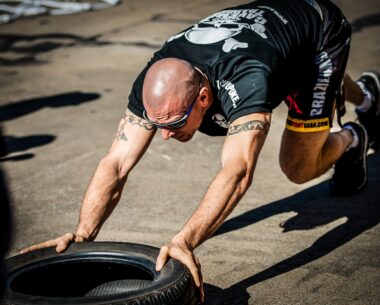
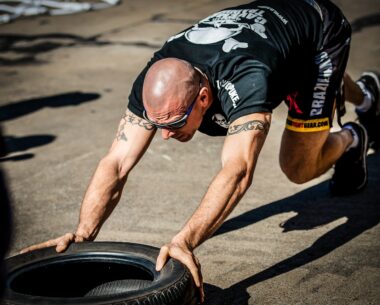
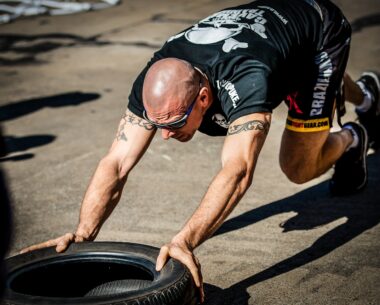
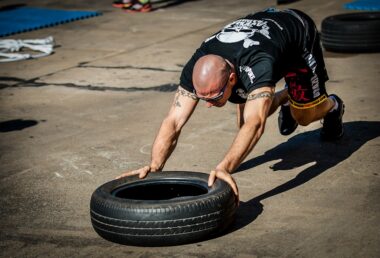
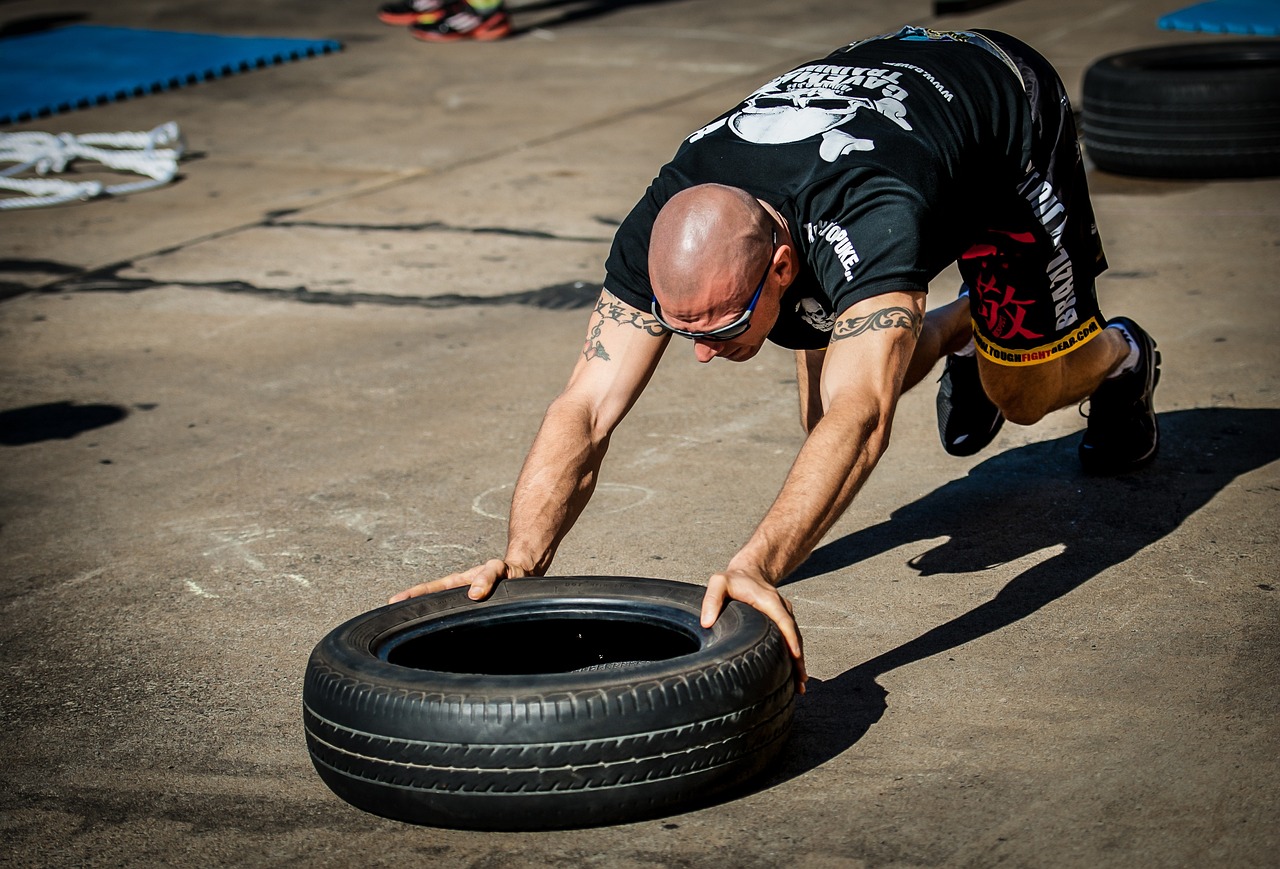
Functional training is a type of exercise that focuses on improving everyday movements and enhancing overall strength. It incorporates various activities that mimic daily life, which can boost performance across a range of physical tasks. Instead of isolated exercises that target specific muscles, functional training emphasizes compound movements that engage multiple muscle groups simultaneously. This approach not only aids in muscle building but also improves stability, flexibility, and coordination. By utilizing a range of equipment, from resistance bands to stability balls, functional training offers versatility while addressing the muscles required for general fitness. Training in this way can lead to muscle hypertrophy, promoting muscle fiber growth and improving overall muscle tone. Furthermore, functional exercises like squats, deadlifts, and kettlebell swings can have a profound impact on muscle endurance and strength. As a result, many athletes and fitness enthusiasts have recognized the value of incorporating functional training into their routines, ultimately benefiting both athletic performance and overall health. Whether you’re a beginner or an experienced lifter, understanding the science behind functional training can elevate your workouts and help you achieve your muscle-building goals.
The key to successful functional training lies in its ability to target the key muscle fibers needed for hypertrophy. Hypertrophy refers to the increase in size of skeletal muscle through growth of its component cells. Unlike traditional strength training that may isolate specific muscles, functional training combines elements that engage various muscle groups. This dynamic approach not only enhances muscular endurance but also contributes to increased muscle mass. Moreover, studies have shown that compound movements, which include multiple joints and muscle groups, effectively stimulate muscle growth by causing greater mechanical tension and metabolic stress. Consequently, such an approach can lead to subsequent muscle adaptations, including size and strength. Additionally, functional training encourages core stabilization, which is essential for all movements in everyday life. As you build strength, having a solid core support system reduces the risk of injury, allowing you to lift heavier weights safely. To maximize the effectiveness of your workouts, it’s essential to create a balanced regimen. This should include a mix of strength, endurance, and flexibility exercises that facilitate muscle growth while improving mobility and overall functional fitness.
Another significant aspect of functional training is its adaptability to individual fitness levels, making it ideal for muscle building. No matter whether you are a seasoned athlete or a beginner, you can tailor functional exercises to your unique needs. This personalization enables practitioners to incrementally challenge their muscles, thereby stimulating hypertrophic adaptations. Moreover, the use of varied resistance modalities, such as free weights, sandbags, and bodyweight, allows for ongoing progress without the boredom associated with monotonous workout routines. Furthermore, working out in a functional manner can improve your athleticism by enhancing specific skills such as coordination, agility, and balance. For those focusing primarily on muscle building, incorporating functional training can augment traditional lifting methodologies. Additionally, functional training can break through weightlifting plateaus by enhancing overall body strength. This means that by integrating exercises such as farmer’s walks or medicine ball throws into your routine, you can continue building muscle even when progress stalls in conventional lifts. Such variety not only encourages muscle growth but also keeps workouts engaging and fresh.
The Role of Nutrition in Functional Training
When pursuing muscle hypertrophy through functional training, nutrition plays a vital role. Adequate macronutrients, particularly proteins, carbohydrates, and fats, are crucial for muscle recovery and growth. Consuming sufficient protein can help repair and build muscle tissues that have been stressed during workouts. Additionally, carbohydrates provide the necessary energy required for intense training sessions, allowing you to maintain high performance and endurance levels. Healthy fats also contribute to energy and overall wellness by supporting hormone production that influences muscle growth. Timing your nutrient intake is equally essential; consuming protein and carbohydrates post-workout can effectively restore depleted energy reserves and accelerate recovery. In tandem with functional exercises, maintaining a balanced diet filled with nutrient-dense foods can significantly enhance training results. Hydration, often overlooked, is essential for optimal performance and recovery as well. Staying well-hydrated helps transport nutrients throughout the body and facilitates metabolic processes necessary for muscle growth. Thus, combining well-planned nutrition with functional training methodologies can yield maximum muscle-building results, providing a comprehensive approach to achieving fitness goals.
Beyond physical workouts, mental focus and motivation also contribute to successful functional training experiences. Psychological factors can profoundly influence a person’s ability to reach their muscle building goals. It is crucial to establish a positive mindset and maintain consistent training habits to achieve hypertrophy through functional training. Setting realistic goals and tracking progress can significantly bolster motivation levels, allowing individuals to celebrate small victories along the journey. Implementing a structured training program with functional exercises ensures consistent results while minimizing training fatigue. Additionally, changing training stimuli, such as varying workout formats and environments, keeps workouts stimulating and fresh. This continuous progression can enhance both the physical and mental aspects of training, resulting in a comprehensive improvement in health and fitness. Joining a group class or finding a workout partner can further enhance accountability and motivation. Social support, whether from fellow gym-goers or fitness communities, provides encouragement and inspiration along the journey, ensuring no one feels isolated in their training efforts. By recognizing and addressing both the psychological and physical components of functional training, individuals can create an effective pathway towards muscle hypertrophy.
Injury Prevention Through Functional Training
Injury prevention is a crucial aspect of any training program, especially for those focused on muscle hypertrophy through functional training. Functional exercises, which emphasize movement patterns and body mechanics, can help strengthen the body’s muscular systems, thereby improving resilience against injury. By focusing on building strength in specific movement patterns, individuals can address muscle imbalances that might otherwise lead to injuries. For example, including exercises that engage core stability throughout functional routines can enhance overall balance and coordination. Furthermore, the incorporation of flexibility and mobility work complements the functional training approach, ensuring muscles and joints remain healthy. Understanding the importance of warm-ups and cooldowns also cannot be overstated; this helps facilitate blood flow to the muscles, preparing them for strenuous work. Moreover, listening to your body during functional exercises can prevent overstretched muscles or strains. Lastly, injury prevention goes hand-in-hand with proper technique—a critical focus in functional training. Ensuring proper form reduces the risk of injury while enhancing the overall effectiveness of each workout. Thus, implementing these strategies within a functional training regimen contributes to a safer environment for muscle building, benefiting long-term progress and overall well-being.
In conclusion, functional training represents a significant breakthrough in the approach to muscle hypertrophy. It combines strength training with the functional movements needed for everyday life, providing a balanced and dynamic method for muscle growth. This results not only in better aesthetics but also in improved performance, stability, and injury prevention. Combining different equipment and modalities helps keep workouts exciting and engaging, which can significantly affect motivation and consistency. As muscle building is ultimately a journey, embracing the principles of functional training can help individuals cultivate effective habits tailored to their needs. Moreover, as individuals become more proficient with functional exercises, they often find that they experience enhanced muscle engagement and activation, amplifying their results. Alongside proper nutrition, mental focus, and a commitment to ongoing learning, users of functional training can carve out a unique fitness path leading to newfound muscular strength and capabilities. By continually adapting training methodologies and staying informed about the science of muscle development, individuals can ensure sustainable progress over time. Integrating these principles into a well-rounded fitness regimen paves the way for lasting health and wellness, emphasizing the extraordinary potential of functional training in muscle building endeavors.
The intersection of functional training and muscle building showcases the versatility of modern fitness methodologies. Understanding the science underlying these approaches boosts the potential for effective results. As individuals continue to appreciate the holistic benefits of functional training, the field is likely to evolve, merging various training paradigms. This allows trainers and practitioners alike to innovate techniques that engage diverse populations. Furthermore, integrating elements of functional training into rehabilitation protocols highlights its importance for injury recovery and prevention. Embracing functional training may reveal new insights into enhancing performance and body composition. By redefining traditional weightlifting tactics through a functional lens, enthusiasts can redefine their perceptions of strength. Apart from muscle hypertrophy, functional training emphasizes the essence of being able to move efficiently. The functionalities required in sports and daily life require a blend of strength, flexibility, and stability. Embarking on a functional training journey offers endless opportunities, sparked curiosity, and puts personal achievement at the forefront. Finally, the future of functional training promises growth and a deeper understanding of how engaging the body as an integrated unit leads to lifelong health benefits.