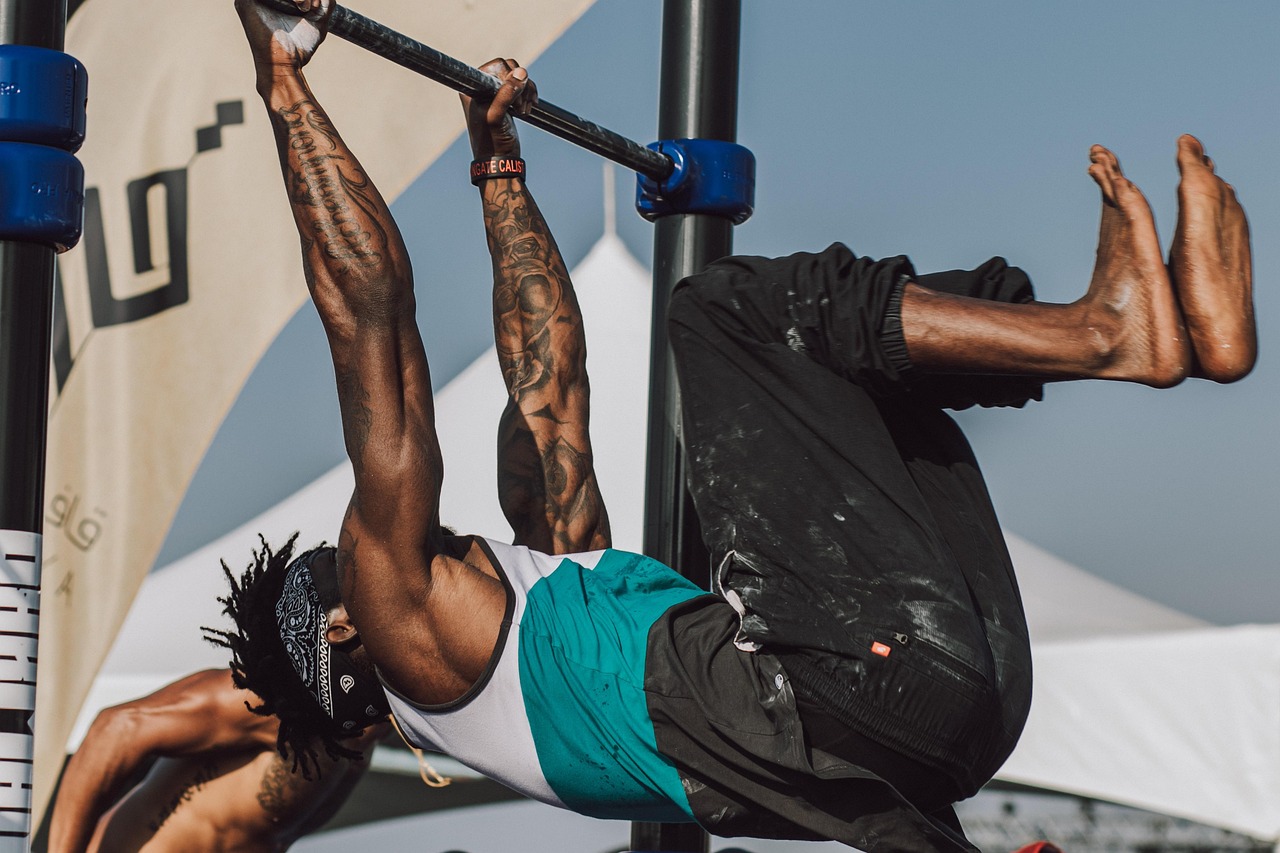

The Influence of Bodybuilding Competitions on Fitness and Health Trends
Bodybuilding competitions are not just events showcasing physique; they significantly influence fitness and health trends worldwide. Athletes and enthusiasts dedicate countless hours to devise their particular training regimens, focusing on strength, endurance, and aesthetics. This commitment leads to the popularization of various fitness techniques, dietary plans, and overall wellness practices. Competitors often experiment with multiple types of workouts to achieve their desired results. As audiences witness transformations, they develop a keen interest in similar paths. Online platforms showcase extraordinary success stories, motivating newcomers to pursue this rigorous discipline. Additionally, such competitions spark conversations around proper nutrition, emphasizing the need for balanced diets rich in proteins, vitamins, and minerals. Health trends ripple through society as people begin to adopt more mindful eating habits. Influencers in this sphere play an essential role, often blogging or vlogging their unique experiences. Through their insights, they spark dialogues about the importance of physical health, mental resilience, and adequate recovery time. Ultimately, bodybuilding competitions create a broader impact on lifestyle and culture, inspiring changes in how individuals regard fitness and health strategies.
One vital aspect of bodybuilding competitions is the diverse categories that appeal to a wide audience. Categories range from classic bodybuilding to physique, bikini, and even transformations, catering to various skill levels. This diversity allows individuals of different body types and aspirations to participate. Each category emphasizes different aesthetics and physiques, encouraging competitors to adopt training strategies that align with their goals. Moreover, such options help normalize body positivity and self-acceptance within fitness communities. Fitness enthusiasts from all walks of life now see opportunities to showcase their hard work and dedication in a supportive environment. Competitors frequently gather to share their insights and experiences, fostering camaraderie among peers. This sense of community often leads to mentorship opportunities, where seasoned athletes guide newcomers through the intricacies of preparing for competition. Concurrently, social media platforms amplify this sense of community, allowing athletes to connect globally and exchange advice. Many influencers utilize their platforms to highlight the importance of fitness beyond competition. Thus, bodybuilding competitions promote healthy lifestyle choices while driving the message of inclusivity and acceptance across diverse body types.
Transformation and Inspiration Through Competitions
Bodybuilding competitions create environments of transformation and inspiration. For many, participating in these events acts as a catalyst for personal change, leading to improvements in health and fitness. As competitions require rigorous preparation, participants often experience extraordinary physical changes that bolster their confidence. Witnessing fellow competitors’ journeys further ignites motivation, creating a community focused on health and improved lifestyles. Spectators, often encouraged by compelling stories of transformation, are inspired to make similar changes in their lives. These stories resonate deeply, showcasing the importance of commitment, determination, and resilience in achieving goals. The motivational aspect transcends mere aesthetics; individuals are uplifted by heartfelt narratives of overcoming obstacles, whether physical or mental. This ripple effect creates awareness about health issues and the paths toward better wellness. As more people attend bodybuilding competitions, discussions about mental health, body image, and healthy competition engage broader audiences. This awareness fosters a societal shift toward holistic approaches to health, emphasizing physical and mental well-being. By promoting these conversations, competitions work as platforms for inspiration and transformation among aspirants craving significant change.
Moreover, bodybuilding competitions catalyze discussions about nutritional practices. Competitors often follow specialized diets to optimize their performance, leading many to explore food choices impacting their fitness levels. These dietary regimens can significantly impact their physical outcomes. Participants frequently document their meal plans, which spark interest in healthy eating habits, enhancing public consciousness of nutrition. As more individuals embark on fitness journeys, they prioritize their diets, striving for balanced macronutrient ratios essential for muscle growth and fat loss. In response, food brands increasingly cater to this audience, creating products that align with fitness goals. Protein supplements, snack bars, and meal prep services flourish in popularity, reflecting a growing industry focused on health. Furthermore, social media influences dietary trends, where athletes share their favorite foods and recipes, encouraging others to adopt healthier eating patterns. This visibility stimulates consumer demand for nutritious options, transforming marketplace dynamics. Consequently, bodybuilding competitions serve as living testimonies to how nutrition directly correlates with fitness achievements. As audiences witness competitors’ dedication, they are inspired to adopt similar practices, ultimately leading to healthier lifestyle choices among broader populations.
The Role of Coaches and Support Systems
Coaches play an integral role in the journey of competitors embarking on bodybuilding competitions. Their expertise is crucial in guiding athletes through optimal training regimens, dietary frameworks, and mental preparation. Competitors often rely heavily on their coaches for valuable insights into performance nutrition and effective workouts. These relationships foster discipline and focus, allowing participants to refine their skills and achieve their goals. Moreover, support systems encompass family, friends, and fellow competitors who provide emotional and logistical backing. This network of encouragement heightens aspirations, as individuals feel empowered within a communal context. Competitors often share experiences and motivate each other during workouts, fostering a sense of camaraderie that can enhance performance levels. Furthermore, coaches help cultivate mental resilience among athletes, teaching them how to handle competition stress. Handling setbacks and maintaining motivation become vital life skills through this process. Likewise, coaching extends beyond mere preparation for contests; it instills confidence in everyday surroundings and challenges. All in all, the influence of stable coaching and a solid support system creates pathways to success and well-being, complementing the rigorous demands of bodybuilding competitions.
As bodybuilding competitions continue to gain traction, they simultaneously alter fitness and health perceptions across cultures. Initially perceived as niche events, they now resonate with broader audiences, leading to increased participation and interest in fitness activities. Many individuals regard these competitions as stepping stones toward improved self-definitions of health and vitality. Beyond enhancing physical conditions, fitness becomes an inclusive pursuit connecting individuals through shared aspirations. Efforts to normalize diverse body types and fitness levels have emerged, creating more accessibility and reducing barriers to entry. Societal acceptance of bodybuilding as a legitimate athletic pursuit legitimizes individuals’ time and efforts, promoting diverse representations within the fitness industry. Consequently, bodybuilding competitions reshape conversations surrounding body image, pushing back against narrow beauty ideals. The influence extends beyond the stage, affecting gyms, fitness classes, and social media, fostering environments where various fitness enthusiasts convene. Altogether, these competitions catalyze lasting changes in fitness culture and ideals, positively impacting individual perceptions of health. Regular exposure and participation enable society to embrace transformations on physical and mental levels.
Future Trends in Bodybuilding Competitions
As we look toward the future, bodybuilding competitions are set to evolve significantly, influenced by emerging trends in fitness and health philosophies. Current developments indicate a growing emphasis on wellness, with competitors focusing on holistic health—a balanced approach emphasizing physical fitness and mental well-being. As more fitness-conscious individuals embrace this philosophy, bodybuilding competitions may witness a shift toward incorporating discussions on mental health, promoting balance beyond just aesthetics. We might also foresee increased integration of technology into competitions, including wearable devices and virtual platforms to enhance training and audience engagement. Online competitions could provide opportunities for wider participation, breaking geographical and social barriers that have traditionally limited access. Moreover, this technological advancement may reshape how athletes train, compete, and present themselves, enabling a broader audience to connect with the sport. The potential for diversification within competitions may also rise as more inclusion-oriented categories emerge, celebrating various aesthetics and cultures. These changes align with shifting societal norms around fitness, creating an inclusive and motivating atmosphere for both athletes and spectators alike.
In conclusion, bodybuilding competitions consolidate their influence on fitness and health trends, shaping not only personal journeys but also societal perceptions. As they gain recognition, their impact stretches far beyond the stage. Competitors serve as role models, with their transformations inspiring a new generation to pursue healthier lifestyles. The community built around bodybuilding fosters connections across diverse backgrounds, encouraging consumers to prioritize their health. These competitions herald discussions about nutrition, mental well-being, and body positivity that resonate widely, promoting an understanding of health as a comprehensive concept rather than a singular focus. Further integration of technology and inclusivity within these events signals an exciting future, where competition motivates positive change. The role of coaches and support systems also becomes increasingly crucial, facilitating personal growth and resilience. This transformative journey embodies a collective endeavor toward health, deriving motivation from shared goals and aspirations. Ultimately, bodybuilding competitions revolutionize perspectives on fitness and health, underscoring their essential role in promoting well-being across various sectors of society.