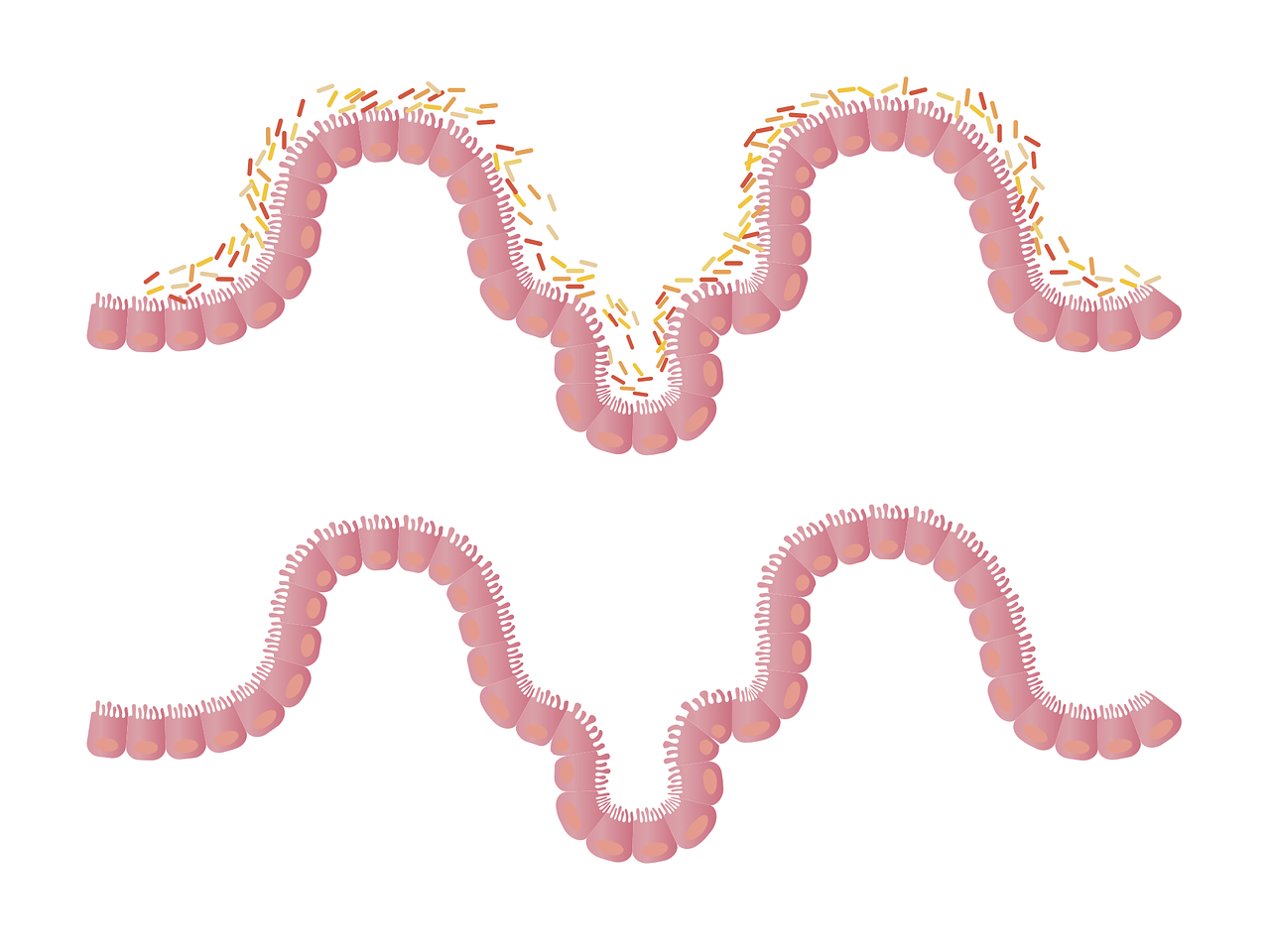

Understanding the Role of Gut Health in Chronic Diseases
The role of gut health in chronic diseases is an area of increasing research interest. A multitude of scientific studies indicates that the gut microbiome significantly influences overall health. The gut microbiome consists of trillions of bacteria, fungi, and other microorganisms living in our digestive tract. These microorganisms play a crucial role in nutrient absorption, immune function, and metabolic processes. An imbalance in gut bacteria, often referred to as dysbiosis, can contribute to various chronic diseases. This includes conditions such as obesity, type 2 diabetes, and cardiovascular diseases. Researchers are exploring the intricate relationship between gut health and inflammation, which is pivotal in disease development. Chronic inflammation can lead to tissue damage, which may exacerbate existing health conditions. Maintaining gut health through proper nutrition can be a preventative strategy against these diseases. Diets rich in fiber, probiotics, and prebiotics promote a healthy gut environment. In addition, lifestyle activities such as regular exercise further support gut microbiome diversity. Understanding these connections can empower individuals to make informed dietary choices for better overall well-being.
Treating gut health can significantly impact chronic disease management. Conventional treatments often target symptoms rather than addressing underlying causes. By focusing on gut health, healthcare practitioners can harness the body’s natural mechanisms to combat disease. A substantial body of evidence supports dietary interventions as effective measures for improving gut microbiota. For instance, the Mediterranean diet, rich in fruits, vegetables, whole grains, and healthy fats, has shown positive outcomes in gut regulation. Essential nutrients, such as fiber, play a significant role in feeding beneficial gut bacteria. Moreover, fermented foods rich in probiotics, such as yogurt and sauerkraut, can directly introduce health-promoting bacteria into the gut. It’s essential to recognize that individual responses to dietary changes can vary widely. Factors like genetics, lifestyle, and even antibiotic history may affect gut health. Therefore, personalized diet strategies should be developed to maximize benefits. Patients experiencing chronic diseases may benefit from consultations with nutritionists specializing in gut health. Integrative approaches combining medical treatment with dietary modifications often yield the best results. Such approaches foster a holistic mindset toward managing chronic health conditions.
Gut Health and the Immune System
Gut health is closely linked to a robust immune system. Approximately 70% of the immune system resides in the gut, emphasizing its significance. The gut-associated lymphoid tissue (GALT) plays a crucial role in defending against pathogens. A healthy gut microbiome can enhance immune responses, protecting the body from infections and diseases. In contrast, an unhealthy gut can lead to increased inflammation and immune dysfunction. This dysfunction can result in autoimmune diseases, where the body mistakenly attacks its tissue. Research indicates that specific gut bacteria can modulate immune cell activity, leading to improved immunity. For example, certain probiotics have demonstrated anti-inflammatory properties, suggesting their potential in chronic inflammatory diseases. Furthermore, the gut microbiome interacts with various immune cells, influencing their functionality. Adequate fiber intake is also vital, as it supports the growth of beneficial bacteria that contribute to immune regulation. Diets lacking in fiber can promote the growth of pathogenic bacteria, potentially leading to dysregulation. Therefore, ensuring a healthy gut environment through balanced nutrition is critical to maintaining a strong immune system. Individuals can significantly reduce chronic disease risk through these means.
Prevention strategies focusing on gut health can help combat chronic diseases. Proactive dietary approaches encourage individuals to adopt healthier eating habits. By incorporating a wide variety of whole foods, one can obtain essential nutrients that support overall health. This includes antioxidants, vitamins, and minerals that promote gut microbiome diversity. Additionally, staying hydrated plays a fundamental role in digestion and nutrient absorption. This helps foster a healthier gut environment. Moreover, minimizing processed foods, which often contain additives detrimental to gut health, is key. Processed foods can lead to imbalances in gut bacteria, adversely affecting health. Strategies like meal planning and preparing home-cooked meals can mitigate this issue. Exercise is another component influencing gut health, promoting the growth of beneficial bacteria. Engaging in regular physical activity can enhance mood and stress management, both of which positively affect gut health. It’s essential to note that gut health can be compromised by factors such as chronic stress and inadequate sleep. Therefore, holistic prevention strategies should involve lifestyle modifications alongside dietary changes. Empowerment through knowledge can inspire individuals to take charge of their gut health and overall well-being.
The Future of Gut Health Research
As research into gut health advances, exciting developments emerge in chronic disease prevention and treatment. Scientists are employing advanced technologies to explore gut microbiome interactions. This includes studying the genetic profile of gut bacteria and their metabolites. These breakthroughs could lead to tailored probiotic therapies targeting specific health conditions. Furthermore, personalized nutrition based on individuals’ microbiomes is a promising area of exploration. This approach may help individuals achieve optimal health outcomes through customized dietary plans. Ongoing clinical trials are examining the efficacy of various foods and supplements in improving gut health. As we gain more insights, understanding the precise roles of different gut bacteria will enhance chronic disease management strategies. Researchers are also investigating how lifestyle factors, such as sleep and stress levels, influence gut health. This holistic approach could transform how we understand chronic disease prevention and management. Increased public awareness surrounding gut microbiome health is crucial for encouraging preventive measures. Educational programs can help promote gut-friendly dietary practices, emphasizing whole foods. Staying informed about emerging discoveries will empower individuals to make positive health changes for themselves and their communities.
Collectively, understanding the role of gut health in chronic diseases highlights the importance of a balanced lifestyle. Integrating nutritious foods, regular exercise, and stress management can significantly reduce disease risk. It’s crucial to recognize that gut health is a vital component of overall well-being. This intricate system requires attention and care, especially in a fast-paced world filled with unhealthy choices. Embracing dietary modifications tailored to one’s needs facilitates better health outcomes. Additionally, fostering a supportive environment for gut health can involve sharing knowledge with family and friends. Community initiatives emphasizing nutrition education may create lasting benefits. Establishing supportive networks helps encourage positive dietary habits and lifestyle choices. Furthermore, regular health check-ups can help individuals monitor their gut health status. Healthcare providers can offer guidance and recommendations tailored to individual needs. Advocating for awareness about gut health can bridge gaps in chronic disease understanding. As more individuals become aware of these connections, greater strides can be made in preventative healthcare. In summary, prioritizing gut health is essential for reducing the burden of chronic diseases. Emphasizing education, nutrition, and holistic strategies can pave the way for a healthier future.
In conclusion, the relationship between gut health and chronic diseases is undeniably critical. Through comprehensive research and understanding, we can appreciate the gut microbiome’s role in health and disease. The sheer complexity of interactions among gut bacteria emphasizes the need for targeted approaches in dietary and lifestyle interventions. An integrated focus on promoting gut health has the potential to completely change the landscape of chronic disease management. Addressing gut health not only aids in preventing illnesses but also contributes to improving the quality of life. While advancements are being made, ongoing research is imperative to identify effective strategies tailored to individual needs. As knowledge about the gut microbiome expands, so do the possibilities for innovative treatments and preventive measures. The proactive inclusion of gut-health-promoting foods in daily diets can create favorable conditions for improved well-being. Ultimately, fostering awareness and facilitating access to nutritional education is paramount. This empowers individuals to make informed decisions about their health. Investing in gut health thus becomes a vital key for future generations. A focus on gut health can help navigate through chronic disease challenges and embrace healthier living practices.