
Flexibility as a Key Component in Men’s Longevity
Flexibility is often an overlooked aspect of fitness, yet it plays a pivotal role in enhancing longevity for men. Many individuals mistakenly prioritize strength and cardiovascular endurance, neglecting the importance of flexibility and mobility. Optimal flexibility contributes to improved posture, reduced injury risk, and better overall physical performance. Without sufficient flexibility, men may find daily activities become challenging, leading to a sedentary lifestyle which can shorten lifespan. Men who increasingly incorporate stretching routines and mobility exercises into their fitness regime experience enhanced physical freedom and resilience. Additionally, a flexible body can promote improved functional strength, making it easier to engage in activities that require agility or reach. By maintaining joint health and flexibility, men can continue enjoying hobbies and activities they love for years. Research consistently shows a strong correlation between joint mobility and longevity, illustrating how a flexible body can lead to higher quality of life. Therefore, adjusting workout routines to add more stretching can be a game-changer. Overall, flexibility training should be prioritized alongside strength and endurance for optimal health benefits as men age.
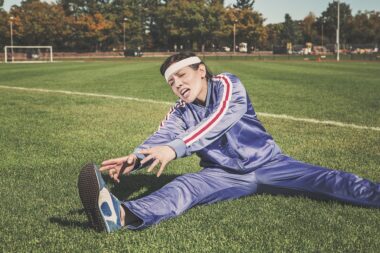
To effectively enhance flexibility and mobility, men should consider adopting a structured approach to their stretching routines. This approach can include a combination of dynamic stretching, static stretching, and proprioceptive neuromuscular facilitation (PNF) stretching. Each of these methodologies brings distinct benefits, and incorporating variety keeps the routine engaging while ensuring comprehensive coverage of muscle groups. Dynamic stretching involves active movements that warm up the body, like leg swings and arm circles, making them perfect for pre-workout sessions. On the other hand, static stretching, such as hamstring stretches or quadriceps stretches, helps to improve overall flexibility after workouts. PNF stretching is a more advanced technique involving both stretching and contracting of the targeted muscle group, resulting in enhanced flexibility gains over time. Implementing a well-rounded flexibility routine can lead to significant improvements in daily function. Not only does enhanced mobility contribute to injury prevention, but it also supports athletic performance improvement. Furthermore, creating a consistent stretching schedule can ensure lasting flexibility gains, becoming an easy yet effective addition to any fitness plan.
The Role of Stretching in Recovery
Stretching serves a crucial purpose in recovery from physical activities, especially for men who regularly partake in intense exercises. After a strenuous workout session, muscles may become tight and fatigued, requiring adequate recovery to return to peak performance. Flexibility routines help alleviate muscle soreness, maintain joint mobility, and enhance recovery speed. When men engage in stretching post-exercise, they promote blood flow to muscles, which helps reduce lactic acid build-up and ultimately speeds up recovery. Stretching also aids in the lengthening of muscle fibers, which decreases the likelihood of stiffness the following day. Furthermore, incorporating stretching into a cool-down phase signals to the body that the workout is concluding. This not only prevents potential injuries but also mentally prepares one for the next workout. Regularly improving flexibility through stretching can lead to better overall muscle health and endurance. As beneficial as stretching is, men should remember that it’s essential to listen to their bodies and refrain from overstretching. Incorporating mobility exercises within recovery routines can significantly enhance overall fitness levels.
Regular flexibility training not only enhances physical capabilities but also contributes to mental well-being. Men who engage in flexibility-focused activities often experience increased mindfulness, reduced stress, and improved focus. Stretching provides an opportunity for quiet reflection and a moment to reconnect with the body, fostering a greater understanding of one’s physical limits. As men progress with their routines, they may notice significant improvements in their mood and mental clarity after sessions. Mindfulness combined with stretching can serve as a mental detox, allowing individuals to alleviate anxiety and tension built up during the day. Furthermore, lower stress levels are closely linked to better longevity, enabling men to cope better with daily pressures. Techniques such as yoga offer not only physical benefits but also promote inner peace, encouraging a connection between the mind and body. Emphasizing flexibility as a component of wellness fosters overall resilience in men, allowing them to navigate the challenges of life more adeptly. Adopting this holistic view ensures that both physical and mental aspects of health go hand in hand.
How to Implement Flexibility Routines
Implementing flexibility routines into daily life can significantly impact men’s longevity. Several strategies can help ensure that stretching becomes a regular habit rather than a second thought. Firstly, setting specific goals can provide a sense of purpose and motivation. Establishing a time each day dedicated to stretching, even if only for ten minutes, encourages consistency. Additionally, creating a dedicated space for stretching can enhance focus and effectiveness. Incorporating flexibility training into existing workouts by designating specific days for stretching can lead to noticeable improvements. Utilizing resources such as online videos, apps, or guided classes can also help men learn proper techniques and routines tailored to their needs. Engaging in group stretching classes can foster community and shared motivation, leading to greater commitment. Considering factors such as age and current fitness level is crucial when planning a routine. Beginners may focus on foundational stretches before advancing to more complex movements. Engaging in these methods can ensure sustained engagement with flexibility training, paving the way for enhanced physical well-being.
As men age, flexibility becomes increasingly essential for maintaining independence and mobility. Limited flexibility can lead to impaired movement patterns and a higher risk of falls, significantly impacting quality of life. Men who prioritize flexibility and mobility training can enjoy better balance and coordination as they age. By being proactive about flexibility, men can ensure their bodies can cope with the physical demands of both daily routines and recreational activities. Prioritizing strength training alongside flexibility routines enhances muscle support around joints, leading to fewer injuries. Moreover, improved flexibility allows for efficient movement in demanding activities, contributing to a more active lifestyle. Engaging in activities like martial arts, dance, or swimming can help maintain flexibility while adding fun to fitness routines. Participating in such activities also encourages social interaction, which is beneficial for mental health. Understanding that flexibility helps significantly enhances overall physical function encourages men to make it a priority. This commitment ensures that aging does not equate to diminished physical capabilities, but instead, leads to enriched experiences and a better quality of life.
Conclusion: Making Flexibility a Priority
Overall, making flexibility a fundamental aspect of fitness routines will greatly benefit men’s longevity. As studies continuously reveal positive connections between elasticity and lifespan, it’s vital to foster a proactive approach towards flexibility training. A comprehensive approach that includes both flexibility exercises and traditional strength workouts ensures a balanced fitness regimen. By cultivating flexibility awareness and integrating it into daily life, men will ultimately enhance not only their physical capabilities but also their overall wellness. Providing time for stretching or exploring new mobility activities can offer profound advantages in enhancing day-to-day living. Resultingly, men will experience better performance in all physical aspects—even the simplest tasks. Investing in flexibility will yield richer experiences in life, leading to a healthier, happier existence. Creating and maintaining these healthy habits early in life will ensure that the quality of life improves as men age. As a result, flexibility training will be an invaluable tool, unlocking the potential for longevity and optimal health. The journey to a fulfilling and active life kindles with a commitment to flexibility.
This is a placeholder paragraph as the final decision depends on the specific mindset while reflecting on these statements. Building a habit of prioritizing health through flexibility training will undoubtedly lead to better outcomes. Everyone deserves to lead a vibrant life, embracing each moment as it comes.