
Yoga and Stretching Routines for Home Practice
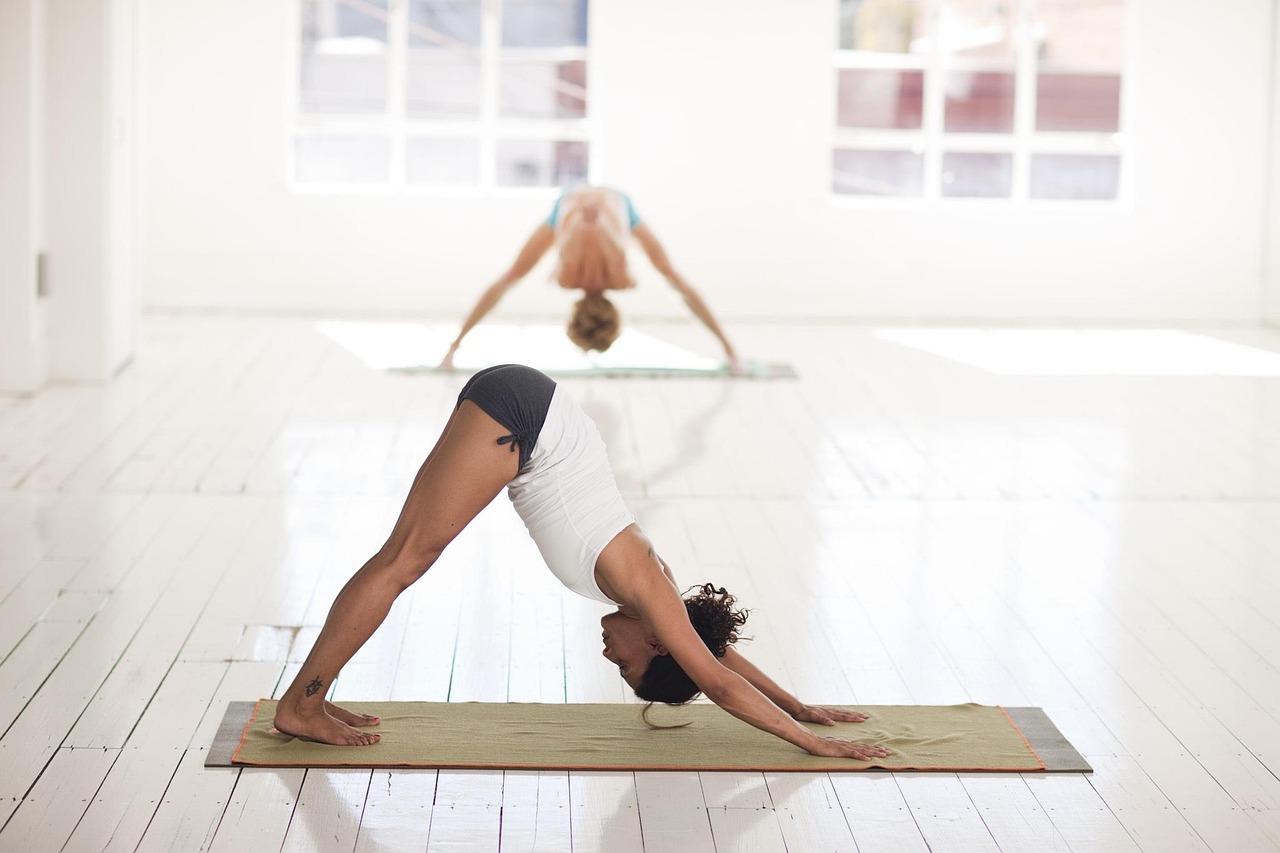
Practicing yoga and stretching at home offers a multitude of benefits for both the body and mind. One essential aspect of yoga is the emphasis on breathing, which enhances relaxation and promotes mindfulness. Incorporating various yoga poses, such as Downward Dog or Child’s Pose, can significantly improve flexibility and strength. To maximize the effectiveness of your at-home yoga sessions, consider designating a specific space where you can focus without distractions. This area should be comfortable, quiet, and free from clutter, allowing for a calming atmosphere. Additionally, setting a regular schedule for practice can help establish a routine that integrates seamlessly with your lifestyle. Many find that practicing first thing in the morning helps to energize them for the day, while others may prefer evening sessions to unwind. You can also use online resources and apps to guide your practice, ensuring that you always have a structured routine. Remember to listen to your body and only go as far as feels comfortable. Practicing at your own pace will make it more enjoyable, helping you to stay engaged long term.
Stretching is another critical component of maintaining overall flexibility and preventing injuries. It is important to incorporate stretches into your routine to increase the range of motion in your joints and muscles. Dynamic stretches are especially beneficial, as they warm up your body and prepare it for movement by increasing blood flow. Examples of dynamic stretches include leg swings and arm circles, best performed as part of your warm-up before any yoga session. After your yoga practice, consider engaging in static stretching, which involves holding a stretch for an extended period, usually around 15-30 seconds. This post-workout stretching can alleviate muscle tension, enhance flexibility, and promote relaxation. Focus on areas that tend to feel tight, like hamstrings, hips, and shoulders. Frequent, gentle stretching may also decrease the risk of injuries during your workouts. If you have any previous injuries or concerns, consult a physician or physical therapist for personalized advice on safe stretching techniques. Additionally, listen to your body and avoid pushing yourself too hard, ensuring that your stretching routine enhances your overall fitness experience.
Creating a Home Yoga Environment
Establishing a serene home yoga environment is vital to encourage regular practice. Begin by selecting an area where you feel comfortable and focused; this could be a corner of your living room, bedroom, or even a backyard if space allows. Clear away distractions, ensuring that your practice area is tidy and peaceful. Consider adding elements such as candles, soft lighting, and calming colors to enhance the ambiance and create a sense of tranquility. Additionally, utilizing props like yoga mats, blocks, and straps can significantly help in performing various poses correctly. A high-quality yoga mat provides stability and cushioning while practicing. Accessories such as bolsters and blankets can offer support during restorative poses, making practice more enjoyable and accessible to all levels. If possible, include a source of calming music or nature sounds to elevate your yoga experience. This musical backdrop can help you stay focused and connected to your practice. Personalize your space with photos or inspirational quotes that resonate with you. These small touches can motivate you to consistently return to your practice.
Incorporating mindfulness into your yoga practice is also crucial. Mindfulness involves being present in the moment and fully engaging with your body and breath during practice. Start each session with a few moments of deep breathing to center your mind and focus your energy. Concentrate on the sensations within your body as you move through different poses, allowing yourself to fully experience each transition. This powerful combination of movement and breath fosters a deep connection with both body and mind, ultimately leading to greater peace and relaxation. Guided meditations or breathwork can complement your yoga routine, deepening your awareness and understanding of personal strengths and limitations. It’s important to explore and find the mindfulness techniques that resonate with you. Remember that yoga is not merely a physical practice; it’s also about cultivating inner peace and awareness. Engage with your thoughts, emotions, and body sensations during sessions. This awareness can help you develop a better understanding of yourself, leading to improved emotional well-being over time. Embrace this journey as part of your overall home fitness approach.
Incorporating Stretching into Daily Routine
In addition to yoga, it is vital to seamlessly incorporate stretching into your daily routine. Daily stretching and yoga practice can significantly enhance flexibility, mobility, and reduce muscle stiffness. Consider dedicating time during break periods throughout your day – such as during lunch or after long hours of sitting – to stretch major muscle groups. Incorporating stretches for your neck, shoulders, back, and legs can greatly alleviate tension and stiffness. This will also help counteract the negative impacts of prolonged sitting, especially if you work at a desk or work from home. A simple routine can help in refreshing and invigorating your body. Examples of effective stretches include the seated forward bend, butterfly stretch, and quadriceps stretch. As you stretch, be mindful of your breathing patterns, taking long, slow inhales and exhales to enhance relaxation. Additionally, don’t forget about other forms of mild exercise, such as walking or light jogging, that promote overall muscle elasticity. Engaging in short stretches whenever possible, while you wait for your coffee or on a phone call, will also contribute significantly toward daily stretching goals.
Establishing a routine for yoga and stretching can lead to numerous long-term benefits. Consistency is key to building flexibility and strength. Consider keeping a journal to document your progress and the benefits you perceive from your practice. By tracking your progress over time, you can identify patterns and make adjustments to your routine as needed. This practice can also help keep you accountable. Additionally, exploring different styles of yoga, such as Hatha, Vinyasa, or Yin Yoga, can further enrich your experience. Different styles emphasize various aspects of practice, ensuring that you maintain interest and motivation. Provide yourself with the freedom to experiment. You may find that certain styles resonate with you more than others. Online resources, such as yoga videos or community classes, can support you in your quest to discover new methods. Engaging with online communities or local yoga groups can create a sense of camaraderie as you embark on this wellness journey. Overall, keep your practice enjoyable and fulfilling, and don’t hesitate to seek guidance if you encounter challenges that feel overwhelming. Achieving balance in your routine will yield lasting benefits, ultimately enhancing your quality of life.
Progressing in Your Home Practice
As you integrate yoga and stretching into your home workouts, it’s important to recognize the progression of your practice. Setting specific, attainable goals can provide clarity and motivation as you work towards greater flexibility and strength. Begin with basic poses that allow you to develop a solid foundation, gradually incorporating more challenging poses as your confidence and skill level increase. For example, mastering Downward Dog opens the door to advanced poses like the Warrior sequences or inversions, which require greater balance and strength. Consistently challenging yourself will help you stay engaged and motivated. Utilize yoga challenge programs or set personal benchmarks to inspire yourself while tracking your progress over weeks and months. Remember, yoga is a continual journey; there is always room for growth and improvement. Celebrate your small victories along the way, be it holding a pose longer or achieving a greater range of motion. Lastly, always prioritize safety in your practice. Avoid forcing your body into uncomfortable positions to prevent injuries. Listening to your body is crucial for enjoying success and sustainability in your home yoga practice.
In conclusion, practicing yoga and stretching at home can lead to improved physical health and significant mental well-being. The freedom to cultivate your practice in a familiar environment may encourage you to dedicate more time to these beneficial routines. By designing a comfortable workspace, incorporating mindfulness techniques, and establishing a consistent schedule, you can fully immerse yourself in the experience. Additionally, don’t underestimate the importance of creativity in your practice. Explore various resources and engage with different styles of yoga to keep your intentions fresh and your focus intact. Incorporate gentle reminders to stretch throughout your day, allowing mobility to enhance your daily performance. Progressing at your own pace enables you to embrace modifications and alternatives, ensuring a satisfying practice for all skill levels. This comprehensive approach not only promotes physical fitness but also encourages a holistic understanding of personal wellness. As a result, you’re more likely to experience increased energy, improved focus, and decreased stress. Embrace the journey and remember that consistency is critical. As you explore the benefits of yoga and stretching, you will find a wealth of advantages that positively impact various aspects of your life.