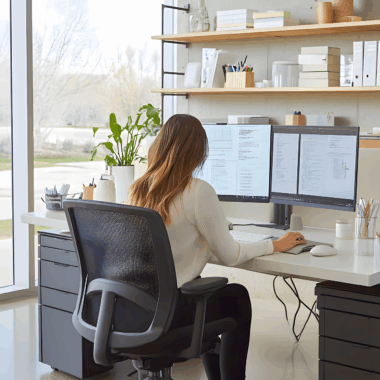

Understanding Neck Alignment and Ergonomic Solutions
Neck alignment plays a critical role in overall well-being. Poor posture can lead to discomfort, pain, and severe health issues over time. The cervical spine consists of various vertebrates supporting the head’s weight. When maintaining an improper posture, the natural curvature of the spine is affected. In today’s world, where technology dominates, people tend to lean forward frequently, straining the neck area. This misalignment can lead to tension headaches and muscular discomfort. To improve neck health, creating a workspace that promotes proper posture is essential. One effective solution includes ergonomic chairs designed to provide adequate support. Positioning the monitor at eye level can also prevent unnecessary bending. Additionally, regular breaks to stretch and adjust your position can alleviate tension. It is vital to train yourself in maintaining a neutral position for the head, ideally balancing it over the spine. Finally, consider consulting a specialist if discomfort persists. Awareness of one’s posture and following ergonomic guidelines can significantly enhance daily productivity and health. Finding achievable solutions will contribute positively to your overall lifestyle, minimizing unwanted pain and ensuring comfort throughout the workday.
Another key aspect of neck alignment involves understanding muscle tension. The muscles supporting the neck need to remain relaxed to maintain alignment effectively. Stress can cause these muscles to tighten, resulting in an imbalance that eventually leads to chronic pain. Engaging in regular physical activities, particularly those that focus on neck and shoulder flexibility, can help alleviate this tension. Stretching exercises specifically designed for the neck area enhance blood circulation and promote relaxation. Examples include gentle side stretches as well as forward and backward tilts. Additionally, practices like yoga and Pilates incorporate movements that reinforce proper alignment. These activities encourage awareness of one’s body mechanics. By promoting a routine that emphasizes muscle flexibility, individuals can counteract the adverse effects of poor posture. Introducing relaxation techniques such as deep breathing may also help manage stress levels. Understanding the connection between muscle tension and neck alignment is crucial for overall health. By integrating routine exercises designed for the neck, anyone can minimize potential issues related to misalignment. Ultimately, ensuring that your neck remains relaxed and aligned is essential for optimal function and well-being in everyday activities.
Ergonomic Workspace Practices
Creating an ergonomic workspace is essential for maintaining a healthy neck alignment. A well-designed office can prevent posture-related complications. Start by ensuring the height of your work desk is suitable. The keyboard should be positioned at elbow height, allowing for comfortable wrist positions. Use a chair that supports the natural curve of your spine while encouraging an upright posture. Ideally, your feet should rest flat on the ground for optimal circulation. Monitor placement is another vital factor; it should be at eye level to reduce strain on the neck. By following the suggested guidelines for monitor positioning, you will find it easier to maintain a natural neck alignment. Furthermore, implementing a sit-to-stand desk can promote movement throughout the day, encouraging better posture practices. Such desks allow users to alternate between sitting and standing positions, which benefits overall ergonomics. Take advantage of reminder applications to prompt breaks, stretching, and posture checks. Small adjustments can lead to significant improvements in neck comfort. It is essential to frequently evaluate your workspace ergonomics to ensure ongoing alignment support, particularly in a home office setting.
Furthermore, mindfulness regarding screen time is essential to maintaining proper neck alignment. With extensive hours spent on devices, it’s crucial to monitor our habits. Frequent gazing down on smartphones or tablets may strain the neck, causing muscle fatigue. To combat this effect, raise devices to eye level or use a stand to maintain neck alignment. Establishing screen time boundaries helps reduce excessive usage and encourages a dynamic balance in daily routines. Additionally, consciously limiting the time spent in a fixed position can significantly improve comfort. Regular breaks serve as a reminder to shift focus and posture. Practicing the 20-20-20 rule is a helpful habit; every 20 minutes, look at something 20 feet away for 20 seconds to relax eye and neck muscles. Incorporate gentle neck stretches during these breaks to give the area much-needed relief. Engaging in conversations about technology use with coworkers and family fosters collective awareness. Together, everyone can work towards healthier habits that prioritize neck alignment. Evaluating and adjusting your daily screen habits will serve you well in maintaining overall wellness and productivity in an ever-connected world.
Seeking Professional Help
If discomfort persists despite practicing recommended ergonomic guidelines, seeking professional help may be necessary. Healthcare providers, such as physiotherapists and chiropractors, specialize in understanding musculoskeletal health. These professionals can assess your specific needs, pinpointing any areas causing imbalance or misalignment. Patients often find relief through customized treatment plans tailored to address their unique issues. By incorporating exercise therapy or soft tissue techniques, specialists can assist in restoring optimal neck function. Exploring alternative methods like acupuncture or massage therapy may also prove effective. These approaches help reduce stress and restore balance to the body, enhancing neck alignment. Every individual is unique; therefore, a personalized approach ensures the best outcomes. As part of a treatment strategy, keep diligent records of your improvement and feedback to the professional. Open communication with your provider allows further adjustments to improve your neck health. Ultimately, investing in professional support will contribute to your postural health and overall wellbeing. Be proactive in addressing issues by seeking assistance when needed; the results can significantly impact your lifestyle, keeping you comfortable and productive.
In conclusion, understanding neck alignment’s significance forms the foundation for ergonomic solutions. Poor posture and screen habits can lead to considerable discomfort and health issues. By implementing effective changes in daily activities and workspace design, individuals can foster a healthier environment. Create an ergonomic setup by adapting desk heights and monitor placements that support natural spinal alignment. Regular breaks and stretches will reduce tension. Additionally, mindfulness regarding muscle relaxation maintains proper neck alignment throughout the day. Prioritizing movement, flexibility, and comfort in both work and daily living is essential in achieving overall wellness. If necessary, consulting professionals for tailored advice may provide further means of relief and improvement. The journey towards optimal neck health is multifaceted, combining awareness, design, and professional support. By taking deliberate steps to improve posture and ergonomics, you will significantly enhance your comfort and productivity. Making these changes is crucial for everyone; prioritizing neck alignment leads to happier and healthier lives. With commitment, anyone can foster the transformative power of ergonomics, paving the path for a sustainable, pain-free lifestyle as technology becomes more prevalent in our everyday routines.