
Post-Workout Stretching to Speed Up Recovery Without a Gym
Stretching routines at home can significantly aid in post-workout recovery. After engaging in any workout, your muscles can feel tight and fatigued. To counteract this, incorporating effective stretching exercises can help alleviate tightness, improve flexibility, and promote faster recovery. Not only does stretching enhance blood circulation, but it also helps reduce the risk of injury, making it an essential aspect of your workout routine. When performed correctly, stretches can target specific muscle groups that were engaged during exercise. For best results, aim to include both static and dynamic stretches. Static stretches involve holding a position for a certain duration, while dynamic stretches incorporate movement. Regular stretching can lead to improved range of motion, which may boost overall athletic performance. Additionally, it fosters mental relaxation, allowing you to unwind after a physically demanding workout. To make the most out of your stretching routine, dedicate at least 10-15 minutes post-exercise specifically for this purpose. This timeframe will give your body ample opportunity to recover properly and can also enhance your overall fitness experience.
When performing post-workout stretches, it is crucial to listen to your body and avoid forcing any movements. Begin with gentle stretches that gradually increase in intensity. Focus on muscle groups that were heavily engaged during your workout, ensuring that you spend extra time on those areas. Incorporating breathing techniques during your stretches can also promote relaxation and ease muscle tension. Deep, controlled breaths can help oxygenate your muscles, facilitating faster recovery. Moreover, utilizing props such as yoga blocks or resistance bands can provide assistance in achieving deeper stretches, enhancing the effectiveness of your routine. Consider using online resources or workout apps that offer guided stretches specifically designed for post-exercise recovery. These tools can help you maintain proper form and technique. It’s important to remember that everyone’s body is unique and what works for one person may not work for another. Therefore, experiment with various stretches to find what feels best for your body. You may also consult a fitness professional to tailor a stretching routine that meets your personal needs and goals.
The Importance of Hamstring Stretching
Hamstring stretching is particularly important after any workout that engages your legs, as tight hamstrings can lead to discomfort and limited mobility. A simple hamstring stretch can be performed by sitting on the ground, extending one leg, and reaching toward your toes. Hold the position for 20-30 seconds, then switch to the other leg. This stretch not only helps to alleviate tightness but can also enhance your balance and posture. The hamstrings play a crucial role in many physical activities such as running, cycling, and weightlifting. Ensuring they remain flexible will not only improve your performance but also decrease your risk of injury. Incorporating additional variations, such as standing hamstring stretches or using a foam roller, can further benefit your recovery routine. Aim to stretch your hamstrings at least two to three times per week, even on non-workout days, to maintain flexibility and overall health. These proactive measures can ensure your workouts continue to be enjoyable and effective without the burden of injury.
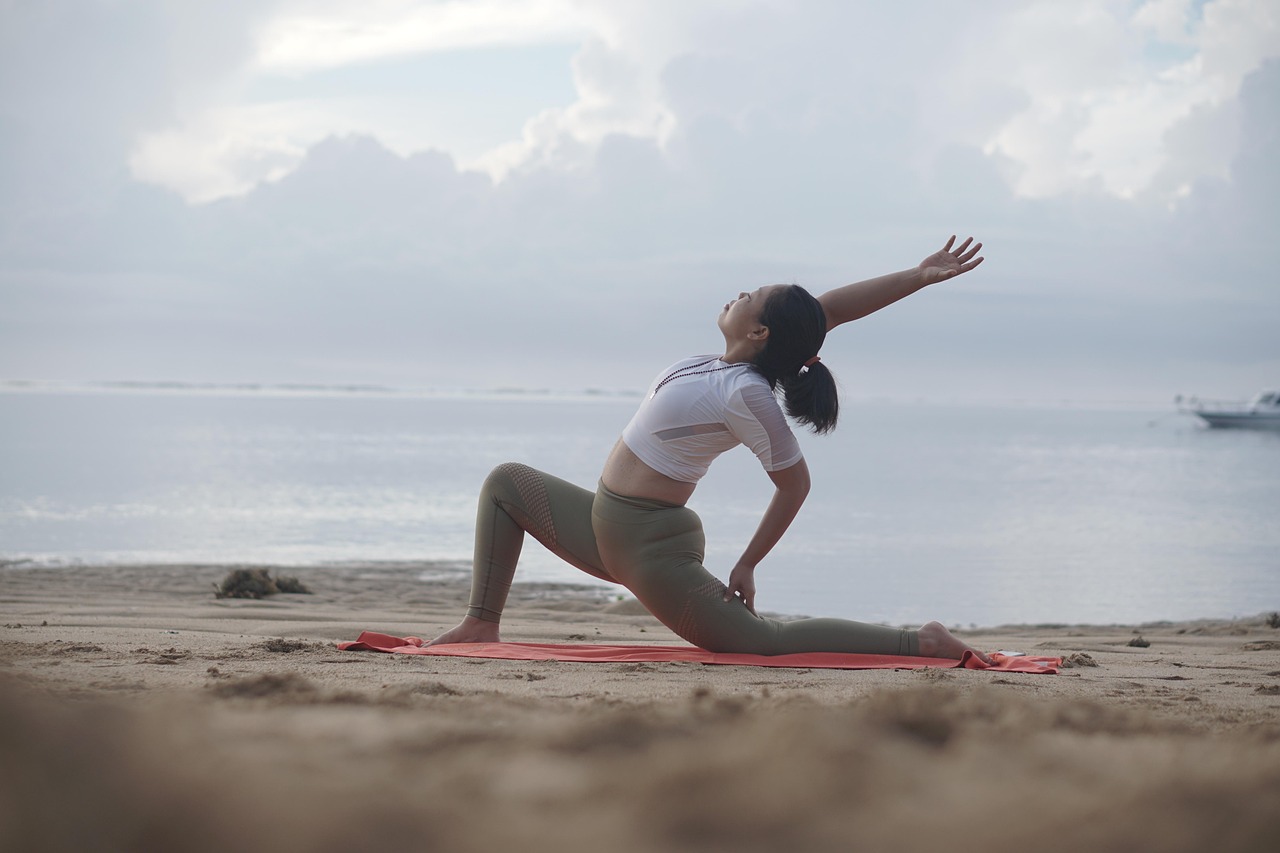
Another important area to focus on in your post-workout stretching is the hip flexors. These muscles can become tight from activities such as running or cycling, contributing to discomfort and limiting your movements. To stretch the hip flexors effectively, you can perform a lunge stretch. Step forward into a lunge position, and lower your back knee to the floor. Shift your weight forward gently to feel a stretch in the hip of the trailing leg. Hold for 20-30 seconds and switch sides. This stretching technique not only enhances mobility but also improves overall core strength, which is essential for a stable body. Regularly stretching your hip flexors helps in maintaining good posture, which is vital to avoid long-term back issues. Overall, integrating hip flexor stretches into your post-workout routine will lead to better alignment and less discomfort in your lower back region. Additionally, these stretches can be particularly beneficial for individuals who spend long periods sitting, as improving hip flexibility can be an excellent countermeasure to those habits.
Stretching the Upper Body
It is equally important to incorporate stretching routines that target the upper body after workouts, as these muscle groups can also experience tightness. Stretches for the shoulders, chest, and arms can significantly enhance recovery and flexibility. One effective upper body stretch involves clasping your hands behind your back and gently pulling your shoulders down and away from your ears. This position opens up the chest and elongates the shoulder muscles. Hold this stretch for 20-30 seconds, feeling the release of tightness in these areas. Additionally, wall or doorframe stretches can help improve shoulder mobility. Stand at a doorframe, place your arm against it, and gently lean into the stretch. This will work on the shoulder muscles quite effectively. It is important to balance upper body and lower body stretches to avoid muscle imbalances, which can lead to injuries. Aim to dedicate a portion of your stretching routine each workout to focus specifically on your upper body. This approach will not only speed up recovery but also greatly enhance your overall functional performance.
Incorporating foam rolling as an additional recovery method can complement your post-workout stretching routine. Foam rolling can be especially effective for relaxing tight muscles by applying pressure and breaking up any tension. Targeting areas like the quadriceps, calves, and glutes can further enhance recovery. Aim to spend about 1-2 minutes rolling over each muscle group, ensuring that you hit all the key areas engaged during your workout. Using a foam roller as part of your routine can lead to lower muscle soreness following exercise. Also, it assists in increasing blood flow, which is vital for muscle recovery. For those who may not have access to a foam roller, alternative household items such as a tennis ball or rolling pin can provide similar benefits. Explore various techniques to identify what works best for your body. While foam rolling can be slightly uncomfortable at first, with consistent practice, you will find it becomes tolerable and even enjoyable, making your post-workout routines much more effective.
Conclusion
Combining stretching routines with post-workout recovery strategies can dramatically enhance your fitness journey without the need for a gym. Stretching not only aids in muscle recovery but also improves flexibility and performance across various activities. Adopting a consistent routine that encompasses both upper and lower body stretches, as well as foam rolling techniques, will not only aid in speeding up recovery but also foster a deeper connection between mind and body during your workouts. Listen to your body and tailor your stretching regimen according to its individual needs. Remember that post-workout recovery aids your long-term fitness goals, and incorporating these strategies can lead to improved strength, endurance, and overall well-being. Additionally, always consider hydration, nutrition, and rest as part of a holistic recovery plan. These elements combined with stretching will ensure that you progress safely and efficiently towards your fitness ambitions.
Lastly, seeking guidance from professionals, whether in-person trainers or online resources, can enrich your understanding of effective post-workout stretching routines. There are countless programs available that cater to all fitness levels, making it easier than ever to start. Experimenting with different modalities will help you discover what resonates most with your body. Keep track of your progress over time; this can greatly motivate you and confirms that you are on the right track. Share your experiences with friends or family members, as it can be helpful to engage in a conversation about stretching and recovery together. Mutual support can encourage you to remain dedicated to your routine. Ultimately, prioritize your well-being and listen to your body as it signals when it needs care and attention. Embrace the practice of post-workout stretching as not just a chore, but rather an enjoyable and necessary part of your fitness journey. Allow it to become an integral aspect of your regime that empowers you, cultivating resilience, and accelerating your recovery without requiring gym visits.