
Common Knee Injuries in Sports and How to Avoid Them
The knee is one of the most vulnerable joints in the body, particularly for athletes. It endures immense stress during athletic activities, subjecting it to various injuries. Common knee injuries among sports enthusiasts include ligament tears, cartilage damage, and tendonitis. These injuries can cause significant pain and may lead to long rehabilitation periods. Understanding the risk factors related to these injuries is essential for prevention. Factors such as poor conditioning, improper techniques, and inadequate warm-up contribute to knee injuries. By being aware of these aspects, athletes can take steps to reduce their risks. Additionally, wearing appropriate footwear and using knee supports can enhance stability. The right athletic training focusing on strength and flexibility is vital. This article aims to explore common knee injuries, their causes, and, more importantly, how to prevent them effectively. Proactive measures can help keep athletes active and healthy. Emphasizing good practices lays a foundation for long-term joint health, essential for any serious athlete. Let’s delve deeper into specific injuries and their prevention strategies.
Common Knee Injuries Faced by Athletes
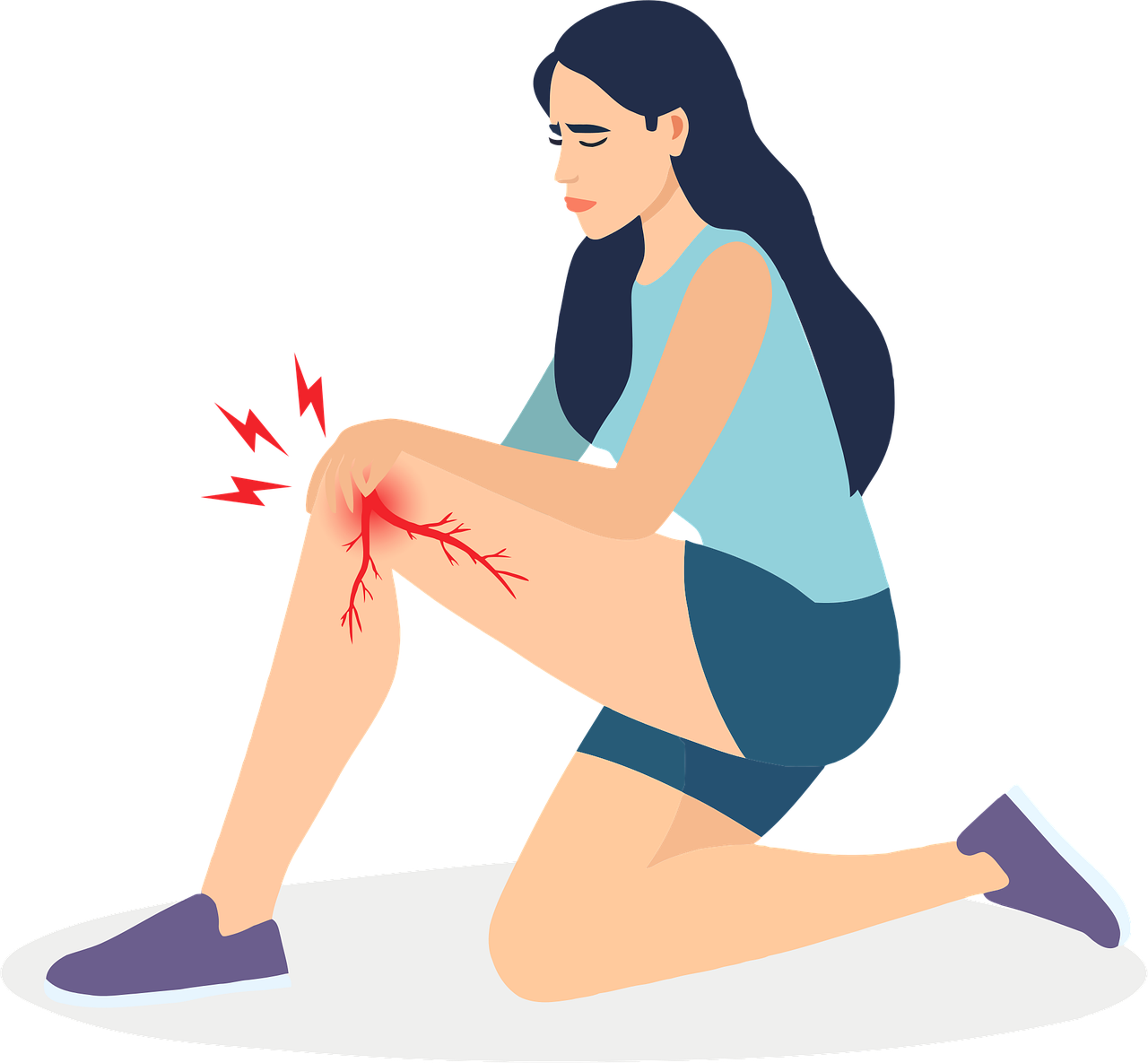
The most frequently encountered knee injuries in sports are anterior cruciate ligament (ACL) tears, meniscus tears, patellar tendonitis, and runner’s knee. Each injury presents distinct challenges and symptoms. ACL tears often occur during sudden stops or changes in direction. Athletes may experience a popping sound and swelling, leading to a knee instability. Meniscus tears usually arise from twisting motions, causing pain and locking sensations in the knee joint. Patellar tendonitis manifests as pain beneath the kneecap and often develops from repetitive jumping activities. Lastly, runner’s knee is characterized by pain around the kneecap due to overuse. Identifying these injuries promptly is crucial for optimal recovery. Ignoring symptoms can worsen the injury, leading to longer recovery times and increased frustration. Proper medical assessment and timely intervention are necessary. Depending upon the severity, treatment may involve rest, physical therapy, or surgical intervention. Understanding the mechanics of each injury helps athletes remain vigilant and responsive to warning signs, ultimately promoting quicker recoveries and ensuring a safer athletic experience.
The key to preventing knee injuries lies in a combination of proper training, adequate warm-ups, and maintaining physical fitness. Engaging in strength training enhances the muscles that support the knee. Strong quadriceps and hamstrings can absorb shock and stabilize the knee joint. Additionally, flexibility exercises targeting the muscles around the knee can improve joint range of motion. A good warm-up routine prepares the knee for intensive activity, reducing the risk of injuries. Activities like light jogging and dynamic stretches are helpful. It’s crucial to incorporate sport-specific drills tailored to the athlete’s needs. Training under the guidance of a qualified coach can further enhance technique and reduce injury risks. Athletes often overlook the importance of rest and recovery, which are vital to prevent overuse injuries. Inadequate rest can lead to chronic pain and long-term damage. Listening to the body’s signals and allowing rest days aids in recovery. Education plays an essential role; athletes must learn the implications of repetitive stress on their knees and actively monitor their body’s responses during training and competition.
Proper Footwear and Equipment
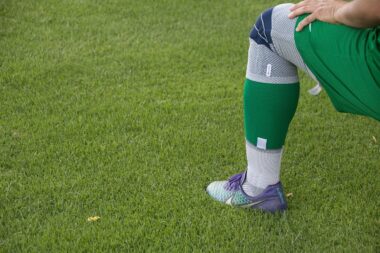
Another critical factor in preventing knee injuries is the use of proper footwear and protective gear. The right shoes provide adequate support, cushioning, and traction that are crucial for absorbing impact during athletic activities. Sports like basketball, soccer, and running can place excessive strain on the knees. Therefore, selecting sport-specific footwear that caters to individual biomechanics is essential. Additionally, utilizing specialized equipment like knee braces or compression sleeves can offer added support and stability. This is particularly important for athletes with a history of knee injuries. The type of surface one plays on also influences injury risk. Hard surfaces can amplify the stress on knee joints, making it vital to perform on appropriate playing fields. Athletes should be educated on the natural movements required by their specific sports and make conscious choices regarding equipment that enhances safety. Furthermore, using insoles or orthotics can help those with flat feet or specific foot conditions. Maximizing prevention through intelligent choices of footwear and equipment can play a crucial role in protecting the knee from injury.
Rest and recovery are integral components of any athletic training program. Athletes often underestimate the importance of allowing their bodies to recover adequately. Consistent high-intensity training without appropriate downtime can lead to overuse injuries, particularly in the knee region. Learning to balance training with rest helps reduce the risk factors associated with chronic knee conditions. Additionally, athletes should consider periodic evaluations by physiotherapists or medical professionals. They can offer personalized insights on strengthening exercises tailored to one’s specific needs and wellness goals. Integration of low-impact activities such as swimming or cycling during recovery helps maintain cardiovascular fitness without straining the knee. Injury prevention education should also encompass adaptability; recognizing when to scale back on efficiency in training is paramount. Regular recovery strategies, including ice application and compression, further assist in managing inflammation post-training. Athletes need to prioritize listening to their bodies and implementing effective recovery techniques, which ultimately support their performance longevity. The combination of adequate rest and physical evaluations creates a robust framework for preventing injuries over an athlete’s career.
Injury Awareness and Education
Awareness and education about knee injuries play a crucial role in injury prevention among athletes. Workshops, seminars, and training sessions focusing on the anatomy of the knee and injury mechanisms can be extremely beneficial. Educating about symptoms to watch for before injury occurrence is essential to prompt early diagnosis and treatment. Athletes can gain knowledge about common risk factors associated with their specific sports to take proactive measures. This involves understanding sports strategies that reduce strain on the knees during play. Incorporating educational segments into team practices fosters a culture of injury prevention. Coaches can implement discussions surrounding proper techniques and biomechanics, ensuring athletes learn the correct fundamentals to minimize stress on the knee joint. Furthermore, disseminating tools and resources, such as injury prevention guideline pamphlets, can provide athletes with vital information at their fingertips. Injury prevention education can empower athletes, helping them stay proactive regarding their health while participating in competitive sports. Understanding their knees enhances athletes’ confidence and ability to navigate their physical activity safely.
In conclusion, preventing knee injuries is crucial for athletes striving for longevity in their sports careers. Through a combination of proper training, adequate warm-ups, awareness, and the correct equipment, athletes can mitigate their risk of injuries. Emphasizing strength and flexibility training lays a foundation for resilient knees. Moreover, considering factors such as footwear, surface type, and proper conditioning amplifies safety during training and competitions. Athletes must remain alert to their body’s signals and prioritize recovery after training. A culture of education and awareness surrounding knee health reinforces proactive measures against potential injuries. By implementing these strategies, athletes can enjoy their sports while minimizing setbacks caused by knee injuries. Ultimately, investing time in understanding how to protect the knees contributes significantly to performance and overall well-being. Encouraging a holistic approach to injury prevention can foster healthy, enduring sports careers. With commitment and diligence, athletes can navigate the demands of their sport while safeguarding their knees against injury over time.