
Fitness Tracking for Kids: Comparing Child-Friendly Devices
As technology progresses, more parents turn to fitness tracking devices designed specifically for children. These devices encourage active lifestyles and healthy habits at an early age. Most Fitness trackers for kids feature various functionalities that can help parents monitor their children’s activity levels. With the right device, kids get inspired to stay active while learning about their health. The variety of features ranges from step counting to heart rate monitoring, and even sleep tracking. However, not all fitness trackers are created equal. Some are basic pedometers, while others provide detailed insights into activity patterns. Therefore, it’s essential to consider criteria like durability and ease of use, particularly for younger users. In addition, a fun design often captivates a child’s interest more effectively than a generic model. Parental controls and app compatibility are also pivotal features to assess since they enhance the experience for both kids and parents. Parents should seek devices that offer guidance on fitness benchmarks, pushing their children toward more significant goals. As various options flood the market, making informed comparisons aids the selection process greatly.
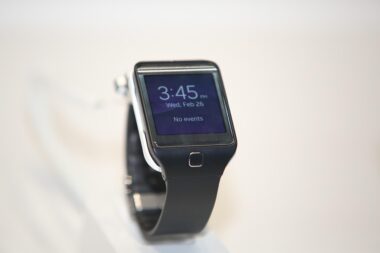
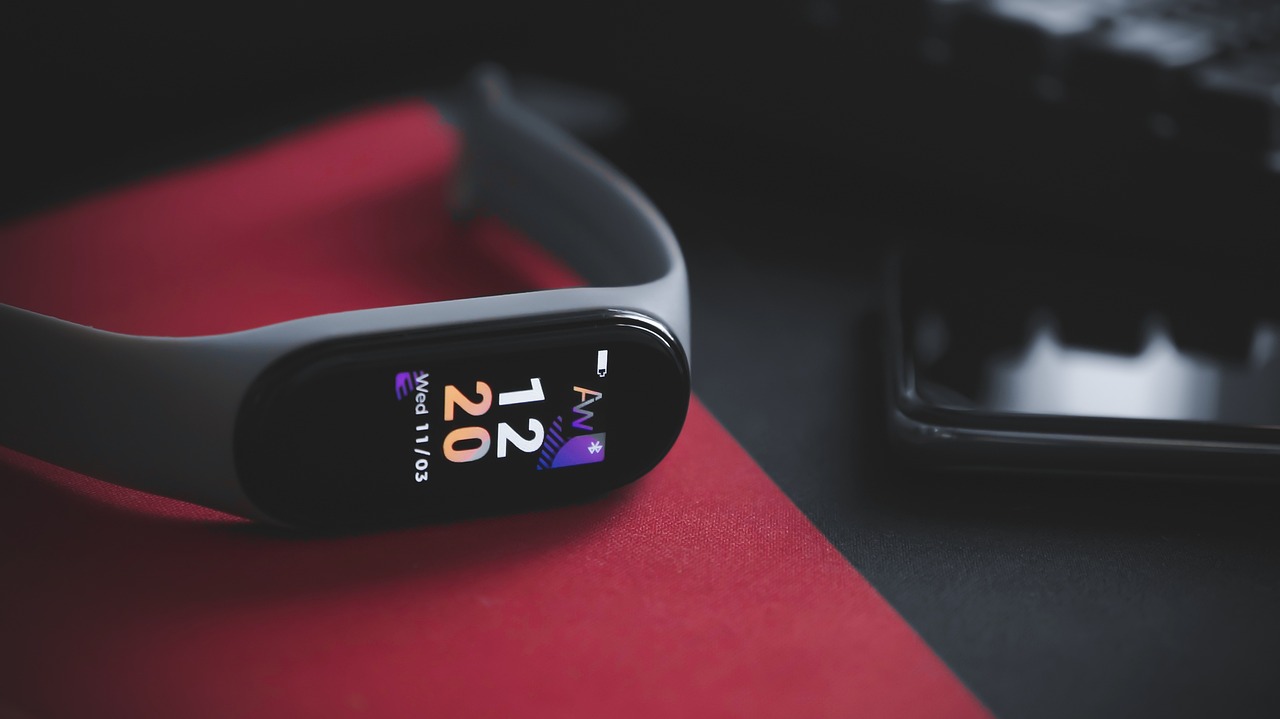
In exploring fitness trackers for kids, several popular models have emerged as standouts in the crowded market. The Fitbit Ace, for instance, combines a sleek design with age-appropriate features. This device has a user-friendly interface allowing kids to track steps, active minutes, and even sleep patterns. Notably, it provides an opportunity for friendly competitions among peers, making exercise enjoyable. Another notable mention is the Garmin vívofit Jr., which integrates gaming with fitness goals. Children earn virtual coins that can be used in mobile apps by achieving their daily activity targets. This unique approach encourages kids to move while providing immediate rewards. Additionally, there’s the Apple Watch Series, which, although pricier, boasts a comprehensive range of health features and parental controls. Moreover, this device offers educational activities, helping kids understand fitness’s role in overall wellness. On the more affordable side, the Xiaomi Mi Band presents a budget-friendly alternative. Its robust tracking capabilities and long battery life make it ideal for young fitness enthusiasts. By comparing these devices, parents can choose based on their child’s interests and needs without compromising functionality.
When deciding which fitness tracker is best for children, it’s vital to weigh the pros and cons of each option. For example, while the Fitbit Ace excels in simplicity, it lacks advanced health metrics like heart rate monitoring. Parents might prioritize features differently, focusing on certain functionalities that best serve their child’s activities. Another aspect to consider is connectivity; many trackers sync with smartphones to provide real-time updates. Depending on the model, some devices allow children to interact with various apps to enhance their wellness journey. However, parents should be cautious about screen time limits associated with app use. Additionally, the construction quality and waterproof functionality are critical, especially for energetic kids. If the device cannot withstand everyday wear and tear, its usefulness diminishes significantly. Thus, ahead of purchase, it’s advisable to inspect user reviews to assess durability claims. A device with robust features but poor construction can be a poor investment. By evaluating available options carefully, parents can ensure their chosen tracker meets both safety and engagement criteria, fostering a lifelong relationship with fitness and health in their kids.
Health Benefits of Kids’ Fitness Trackers
Encouraging kids to stay active through wearables offers numerous health benefits that extend beyond mere physical activity. Firstly, consistent monitoring through fitness trackers can foster a sense of accountability in children. When kids recognize that their activity levels are tracked, they often feel more motivated to move throughout the day. For instance, children may engage in family walks or choose active play instead of screen time while observing their progress. Moreover, these trackers can be beneficial for sleep hygiene, as many devices provide insights on the quality and duration of sleep, critical elements for growing children. With increased awareness of their health, kids are likely to develop lifelong healthy habits. Also, integrating challenges and rewards encourages a sense of achievement; many kids enjoy seeing improvements reflected in statistics. Such motivational strategies lay the foundation for a proactive approach to health from a young age. Furthermore, with parental guidance, fitness devices can anchor essential discussions around nutrition and healthy choices, fostering a holistic understanding of well-being. In promoting fitness through technology, families bond over shared wellness goals as children learn valuable life skills that empower them.
However, while the incorporation of fitness trackers into children’s lives can yield significant benefits, there are potential downsides to consider. One pivotal concern includes the risk of creating unhealthy obsessions with physical metrics. When children become overly focused on achieving specific numbers, they might develop a distorted view of fitness and self-worth. Parents must monitor interaction with these devices to ensure they foster a positive relationship with physical activity, not anxiety. Another consideration is the screen time associated with tracker apps; managing overall screen exposure becomes increasingly important as children engage with wearables. Additionally, parents should also be cautious of privacy concerns when using fitness trackers, especially if they connect to social media platforms. It’s crucial to review privacy settings and only share information that should remain private. Furthermore, not all devices may be suited for the targeted age group, leading to misunderstandings regarding their functionalities. Thus, research prior to purchase should extend beyond features to include reviews regarding potential mental health impacts. Balancing the positives with these drawbacks enables families to make informed choices regarding fitness technology, ensuring that benefits outweigh potential downsides effectively.
Choosing the Right Device
Making the final choice of a fitness tracker for kids hinges on several specific preferences. The child’s age, interests, and physical activity level significantly influence the ultimate purchase decision. Younger children may require simpler designs with straightforward interfaces, while older kids may appreciate advanced tracking features. Look for devices that offer customizable settings like showing colorful avatars or badges to make fitness goals engaging. Compatibility with mobile applications adds another layer of functionality, allowing parents to monitor activities more closely and promote healthy competition in the family. Furthermore, battery life should also be considered; long-lasting batteries mean less hassle for parents replacing or charging devices. Another pivotal decision focuses on budget constraints. Numerous affordable options are available that provide essential tracking features without overspending. However, investing in quality may yield durability and better functionality, ensuring the device survives active play. Ultimately, options should align with a family’s lifestyle and fitness goals. Through these thoughtful considerations, parents can select a device that can inspire and educate children to take charge of their health and wellness journeys, laying the groundwork for lifelong healthy habits.
In conclusion, fitness trackers for kids represent a fantastic opportunity to instill healthy habits from an early age. By comparing different devices, parents have the chance to assess features that promote engagement and motivation to be active. Many models on the market cater specifically to younger users. As families choose among them, it’s essential to consider aspects of functionality, durability, and safety. Features such as tracking sleep patterns or providing prompts for activity breaks enrich the overall experience. Moreover, fostering a sense of achievement through goal-setting can be a powerful motivator for kids. Balancing the advantages and possible drawbacks requires ongoing discussions between parents and children regarding health. Ultimately, a thoughtfully selected fitness device becomes a vital tool that not only promotes physical fitness but creates an engaging learning experience about health. By embedding these discussions in their daily lives alongside technology, families can cultivate healthier habits that last a lifetime. In a world increasingly intertwined with digital solutions, fitness trackers can effectively bridge the gap between health knowledge and playful engagement. With the right strategies in place, kids can thrive and lead active lifestyles equipped with playful, child-friendly gadgets.
In conclusion, fitness trackers for kids represent a fantastic opportunity to instill healthy habits from an early age. By comparing different devices, parents have the chance to assess features that promote engagement and motivation to be active. Many models on the market cater specifically to younger users. As families choose among them, it’s essential to consider aspects of functionality, durability, and safety. Features such as tracking sleep patterns or providing prompts for activity breaks enrich the overall experience. Moreover, fostering a sense of achievement through goal-setting can be a powerful motivator for kids. Balancing the advantages and possible drawbacks requires ongoing discussions between parents and children regarding health. Ultimately, a thoughtfully selected fitness device becomes a vital tool that not only promotes physical fitness but creates an engaging learning experience about health. By embedding these discussions in their daily lives alongside technology, families can cultivate healthier habits that last a lifetime. In a world increasingly intertwined with digital solutions, fitness trackers can effectively bridge the gap between health knowledge and playful engagement. With the right strategies in place, kids can thrive and lead active lifestyles equipped with playful, child-friendly gadgets.