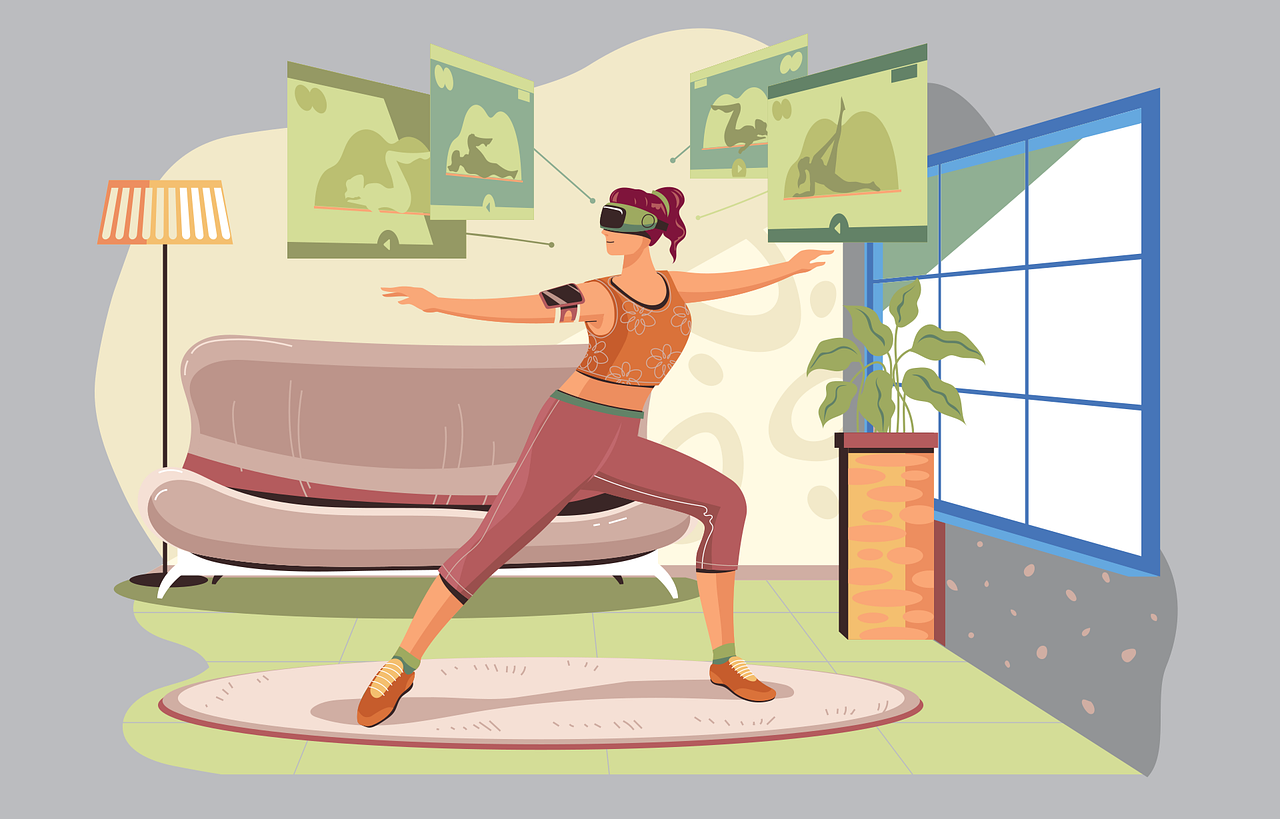

Integrating Virtual Reality Into Home Workouts
The fitness industry has been rapidly evolving, particularly in the arena of home gym equipment that incorporates virtual reality (VR) technology. With advancements in VR, individuals are no longer limited to traditional workouts. They can now engage in immersive experiences that blend their physical routines with dynamic, virtual environments. As such, VR presents a unique method for enhancing motivation, engagement, and personalization in fitness regimens. Using VR applications, users can join group classes in fantastical settings, participate in coach-led sessions, or even experience competitive sports, all from their living rooms. The social aspect of exercising with friends can also be integrated with VR. These developments stimulate interest and improve performance by fostering an enjoyable workout atmosphere. Consequently, the following paragraphs will explore the benefits of integrating VR into home workouts. The combination empowers users to leverage new forms of fitness, redefine their limitations, and achieve their health objectives with greater enjoyment and fewer obstacles. The excitement surrounding this technology’s potential is captivating, and the fitness market is responding rapidly. VR could very well be the future of home exercise strategies.
Rising interest in home fitness has prompted many innovators to consider the role of virtual reality. Unlike conventional workout equipment, VR setups offer a fully interactive experience. This extends beyond simply following tutorial videos or using fitness apps; it involves a multi-sensory engagement that can create a feeling of presence in virtual spaces. Furthermore, users can receive real-time feedback on their performance, making workouts not just interactive but also educational. As these systems become more affordable and user-friendly, more individuals are incorporating them into their home gym setups. This transformation is paving the way for unique exercise routines that are more flexible and versatile than traditional workouts. VR helps exercise enthusiasts tackle burnout while increasing progress rates. Many VR platforms provide various game-like experiences that encourage consistent use. Consequently, the fear of monotonous workouts can be alleviated through such captivating experiences. The options available to users are astounding; they can explore virtual parks, play engaging sports games, or just enjoy scenic runs—all within their homes. This extraordinary flexibility makes fitness accessible and enjoyable, fostering a healthier lifestyle. With technology addressing such an essential aspect, engagement in fitness is on the rise.
Benefits of VR in Fitness
Incorporating virtual reality into home workouts offers numerous advantages. First and foremost, it transforms the monotonous nature of conventional workouts by creating engaging, game-like experiences. This engagement encourages participants to exercise regularly and improves adherence to fitness routines. Secondly, VR workouts often provide users with the ability to customize their experiences. Many applications allow for modifications to intensity levels or the types of exercises performed. This personalized approach ensures that users can adjust their routines according to their fitness levels and preferences, resulting in more effective workouts. Additionally, VR can cater to various age groups, making it an inclusive option for families. The social aspect of VR exercise is another key benefit; users can interact with friends or join online communities during workouts. This connection adds motivation and accountability that can enhance the overall experience. Moreover, VR can simulate real-world activities, providing a sense of accomplishment upon completion. For example, users can run a virtual race or climb a mountain, leading to increased satisfaction and motivation to continue. Overall, the integration of VR technology in home fitness promotes an immersive experience that effectively fosters commitment to health and wellbeing.
As virtual reality technology continues to evolve, fitness professionals are discovering innovative ways to utilize VR for training purposes. VR not only enhances workouts but also offers a spectrum of new possibilities for personal trainers. They can create bespoke workout plans that take advantage of immersive environments, making sessions more interesting for clients. Moreover, personal trainers can use VR to demonstrate exercises in real-time, ensuring that clients learn proper techniques and avoid injuries. This added layer of safety inspires confidence among users as they become familiar with their fitness journeys. Furthermore, many VR platforms provide analytics to track progress, which is vital for both clients and trainers. By reviewing performance data, trainers can make informed adjustments and enhance workout effectiveness. As personal trainers adopt VR into their methods, their offerings will become more competitive. This technology is proving beneficial for enhancing client satisfaction and improving client retention. In a market where differentiation is essential, virtual reality provides ample opportunities to stand out. Thus, embracing VR might be the key for fitness professionals looking to connect meaningfully with clients while staying ahead in the ever-evolving fitness landscape.
Challenges and Considerations
Despite the various advantages of integrating virtual reality into home workouts, there are challenges that users and manufacturers face in this emerging field. The primary concern is the potential for motion sickness that some users experience due to the sensory overload in virtual environments. This issue often deters individuals from adopting VR technologies for fitness. Manufacturers are continuously working to mitigate this effect by improving technology and creating smoother experiences. Additionally, access to advanced VR equipment may present a barrier. While prices are gradually decreasing, high-quality systems remain relatively expensive for some potential users. This economic factor may inhibit widespread adoption, especially among casual fitness enthusiasts. Furthermore, figuring out how to properly integrate VR into existing workout routines poses a challenge. The best way to combine virtual workouts with regular gym exercises is still under exploration. Finding a balance between fun gambits and necessary strength training is critical. Hence, individuals might need to research and adapt their workout routines to include both VR experiences and traditional methods. By understanding these challenges, users can make informed decisions before investing time and resources in this innovative approach to fitness.
Adopting VR technology in home workouts is an exciting innovation, but it may require educational resources to help users navigate the transition effectively. Beginners might feel overwhelmed by their first experiences in virtual environments. To ensure they maximize the benefits, creating educational content and tutorials will be key. This content can guide users through the learning curve associated with VR workouts, fostering confidence and improving their experiences. Additionally, fitness communities and forums can offer invaluable support and advice for newcomers. Encouragement from fellow users can inspire more people to embrace this technology for their fitness needs. Continued education and support systems enhance the likelihood of success. Manufacturers should focus on developing user-friendly interfaces, promoting functionalities that help users feel empowered rather than intimidated. By focusing on accessibility and ease of use, virtual reality fitness can attract diverse demographics. When technology caters to the unique needs of individual users, it becomes easier to harness its full potential. The growing interest in immersive technology suggests a bright future for VR in home workouts. By investing in quality education, engagement, and inclusivity, VR can revolutionize how people view and participate in fitness.
The Future of Fitness
As the fitness industry continues to evolve, the role of virtual reality in home workouts is likely to expand dramatically. The future will depend significantly on technological advancements that enhance user experiences and resolve existing challenges. We may witness better equipment designs, more attractive software interfaces, and increasingly realistic virtual environments. Potential developments include improved motion tracking and haptic feedback, elevating the immersive experience for users. These innovations will lead to VR becoming a staple in home workouts rather than a niche novelty. As more people embrace home gyms, VR can supplement conventional methods, providing unique experiences that cater to various fitness levels and preferences. Additionally, the social aspects of fitness will continue to transform, as users engage in virtual classes or competitions with others globally. This interconnectedness can foster a sense of community and inclusivity, enhancing the collective motivation. Furthermore, as more health professionals endorse VR-driven fitness, we can expect the technology to influence mainstream workouts. Ultimately, the future of home workouts is exciting and provides endless possibilities. VR offers innovative opportunities to explore fitness, propelling individual and collective health journeys forward, and fostering an engaging workout lifestyle.
The integration of virtual reality into home workouts represents a groundbreaking shift in the fitness industry. As technology continually adapts and evolves, the ways people engage with fitness will also change dramatically. This transformation not only addresses current obstacles but will also pioneer an entirely new landscape for exercise. Home gym users are poised to benefit greatly from immersive experiences that change the way they perceive physical training. Traditional workouts may soon be combined with dynamic and interactive trends, making each session more enjoyable. The adaptability of VR allows users to venture into different workout styles, discover new environments, and challenge themselves beyond familiar routines. As this technology flourishes, it requires ongoing consideration from fitness enthusiasts, manufacturers, and trainers alike. Together, these stakeholders can ensure that VR technology meets diverse needs while striving for improved user experiences. The excitement surrounding VR technology signifies a promising future in the fitness world, where individuals can achieve their goals through engaging and fulfilling methods. Therefore, embracing this innovation should not just be an option; it ought to be embraced as an essential part of modern fitness culture.