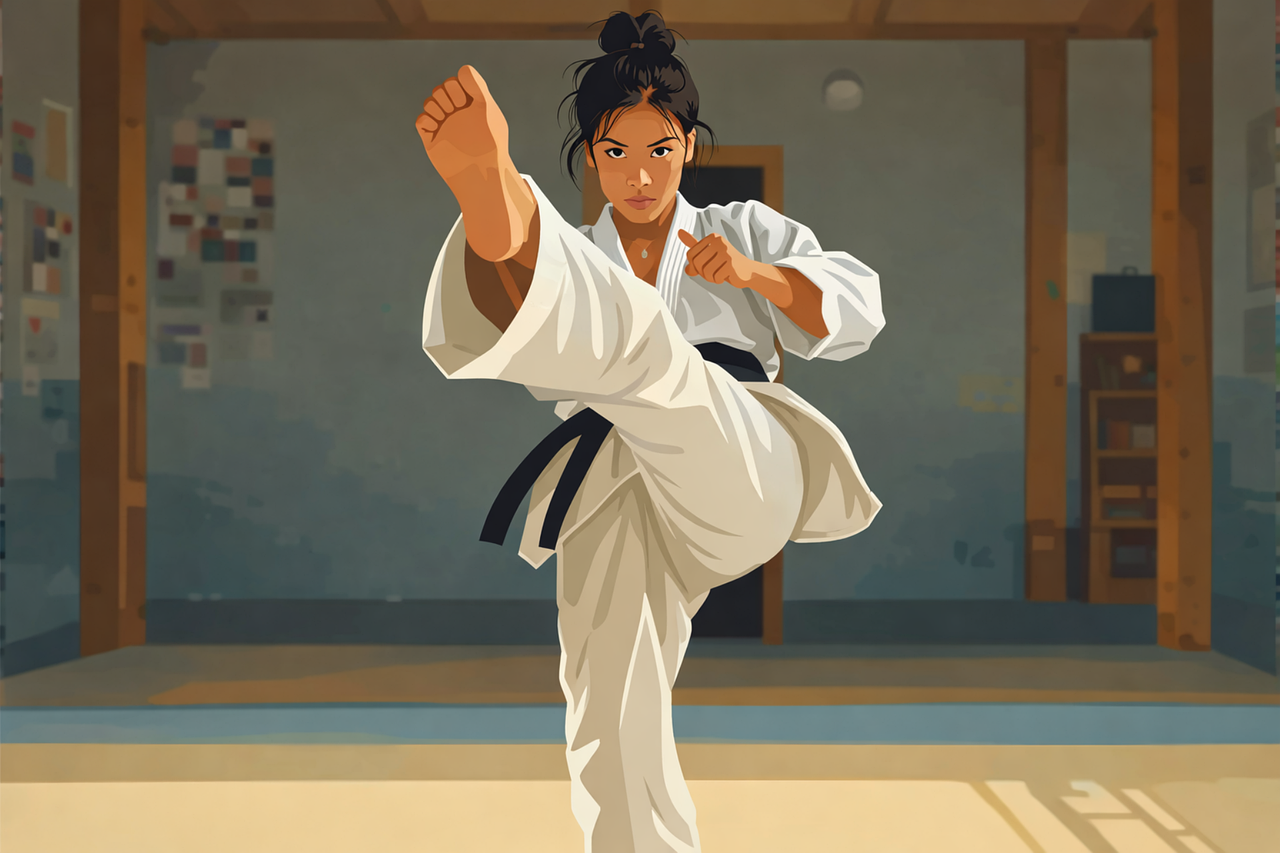

Advanced Techniques: Martial Arts Books for Experienced Fighters
For seasoned martial artists looking to deepen their practice, investing in the right literature can be invaluable. Advanced techniques and strategies are often best learned through books that cover a variety of disciplines. Among the top resources are those written by masters with decades of experience. These books not only present techniques but also discuss the philosophical underpinnings of martial arts. They encourage practitioners to explore beyond physical skills to develop mental toughness and adaptability. Consider titles that include historical perspectives, as they often provide insights into the evolution of techniques. It’s beneficial to engage with materials that feature illustrations and detailed descriptions. Such comprehensive resources help experienced fighters refine their skills while also exploring advanced maneuvers. Check out reputable sources for martial arts publishing, ensuring you access expert guidance. Understanding how advanced techniques can be integrated into your training regimen will enable you to achieve mastery. Seek out community recommendations and reviews to find books that resonate with your training goals. The right literature can illuminate new pathways for self-improvement in martial arts through its wisdom and instruction.
Moreover, there are several key books that every advanced martial artist should consider adding to their collection. Among these classics, “The Book of Five Rings” by Miyamoto Musashi stands out as it explores strategy and mindset. This text teaches practitioners the importance of situational awareness, which is crucial in combat scenarios. Another must-read is “Tao of Jeet Kune Do” by Bruce Lee, offering valuable insights into fluid movement and adaptive strategies. In addition, consider “The Complete Martial Artist” by Sensei Paul McCarthy, which bridges the gap between various styles. It emphasizes well-rounded growth and understanding of different methodologies. When reading these books, remember to not just read but practice the lessons. Creating a dedicated space for applying advanced techniques can amplify your learning experience. Also, participating in discussions with peers about the content can provide a broader perspective, challenging your preconceptions. Great martial arts literature not only teaches; it inspires action and offers motivation. Lastly, don’t forget to check out online communities, where members often share their favorite reads and interpretations of advanced techniques.
Key Aspects of Advanced Martial Arts Literature
Identifying credible authors is crucial when selecting advanced martial arts literature. Look for books written by respected figures in the martial arts community, such as champions or renowned instructors. Their insights will stem from real-life experiences and competitions, providing a practical approach to advanced techniques. Furthermore, understanding the author’s background can enhance your comprehension of the lessons presented. Books that reflect diverse martial arts forms can also offer unique perspectives and techniques. This broad approach encourages adaptation; as every fighter has unique strengths and weaknesses. Additionally, books with visual aids like diagrams and illustrations can assist in grasping complex moves more easily. They serve to explain the intricate details of techniques and strategies effectively. Integrating this literature into your training allows for a more enriched experience and understanding. It is important to regularly revisit these resources, ensuring that the wisdom conveyed is continuously reflected upon. Such a practice can significantly enhance your technical repertoire, helping you stand out in competitions and sparring scenarios. Overall, the right advanced literature will challenge and inspire your martial arts journey.
Training in advanced martial arts requires not only physical conditioning but also mental preparation. Literature that focuses on psychological aspects can greatly benefit experienced fighters. Books that address mental toughness, discipline, and emotional control are essential for practitioners striving for excellence. Techniques from various psychological theories can enhance performance and decision-making in competitive scenarios. Exploring these texts will enable fighters to develop resilience, focusing on techniques such as visualization and mindfulness. By incorporating these practices, martial artists can improve their focus and reduce anxiety during high-stake matches. Additionally, tapping into the mental aspect of martial arts can invoke a sense of connection with both your body and mind. Titles worth considering include “The Inner Game of Tennis” which, although not martial arts-focused, provides extraordinary insights on mental clarity. Couple these reads with real-life training experiences for holistic growth. Engaging with like-minded individuals to discuss these concepts can also promote deeper understanding. Remember, as much as mastering techniques, the journey of martial arts is about cultivating a strong mentality that withstands both physical and psychological challenges.
Integrating Literature with Practical Experience
To truly benefit from martial arts literature, integration with practical application is key. Advanced fighters must not only consume knowledge but also actively engage with it through practice. Approach your training sessions as opportunities to execute the techniques and strategies you’ve learned. Keeping a training journal can help document your progress and reflect upon the lessons found in your readings. It serves as a fantastic tool to connect theory with practice. Analyzing your experiences through writing enriches the understanding of advanced maneuvers while revealing areas for improvement. After each practical session, take time to revisit the related chapters in the books. This cyclical approach solidifies knowledge and translates into better technique execution. Additionally, setting specific goals based on literature insights can provide focused outcomes. Seek feedback from instructors or peers after implementing new techniques to gauge effectiveness. By fostering a culture of learning and adaptation, you ensure continual growth. Involving yourself in workshops or seminars led by experts can provide further insights and hands-on practice, further intertwining theory with physical execution and enhancing your overall martial arts journey.
Investing in martial arts literature opens doors to deeper understanding and skill mastery. Exploring advanced techniques through books allows for personal growth within the martial arts discipline. Many practitioners find inspiration and motivation in reading about legendary fighters and their unique approaches. Envisioning the stories of these masters may ignite passion and fuel dedication. It’s not just about learning new techniques; it’s also about understanding the historical context and philosophies that shaped the art forms. This perspective fosters respect for the practice and those who came before. Participating in book clubs or study groups can add an interactive dimension to this journey, encouraging discussions of chapters and lessons learned. Personal stories shared during discussions can enhance group learning experiences. Reading together builds a sense of community, motivating all participants to strive for excellence. Many platforms now provide e-books and audiobooks, making it easier to consume content on-the-go. Choose formats that suit your lifestyle, fitting literature into your daily routine. Overall, advanced martial arts literature serves as both an educational tool and a source of inspiration for dedicated fighters.
Conclusion: A Continuous Journey of Learning
The journey of mastering advanced martial arts techniques is a continuous one, enriched by literature. As practitioners delve deeper into their craft, the books they choose become invaluable companions. The importance of lifelong learning cannot be overstated, especially in disciplines that require adaptability and skill refinement. Advanced texts not only present techniques but often encourage self-reflection and philosophical inquiry. Adopting this dual approach will craft well-rounded martial artists who appreciate both physical and mental aspects of the art. Remember, consistency in practice paired with strategic learning will accelerate growth. Consider exploring various styles of martial arts literature to broaden your understanding; each genre can offer unique insights. The integration of knowledge acquired from experienced authors along with real-world application provides a robust training experience. Ultimately, the synergy of literature and practice shapes the quality of martial arts training. Embrace the resources available to you, and let them guide your evolution as a fighter. Your commitment to learning will undoubtedly lead you to greatness on and off the mat.
By immersing yourself in the wealth of information provided through advanced martial arts books, you position yourself for triumph. From technical skills to psychological readiness, these writings encompass all facets of martial arts. Whether on the mat or in your mind, let every lesson transform you into the fighter you aspire to be. So, invest your time wisely, and let the world of knowledge elevate your martial arts journey.