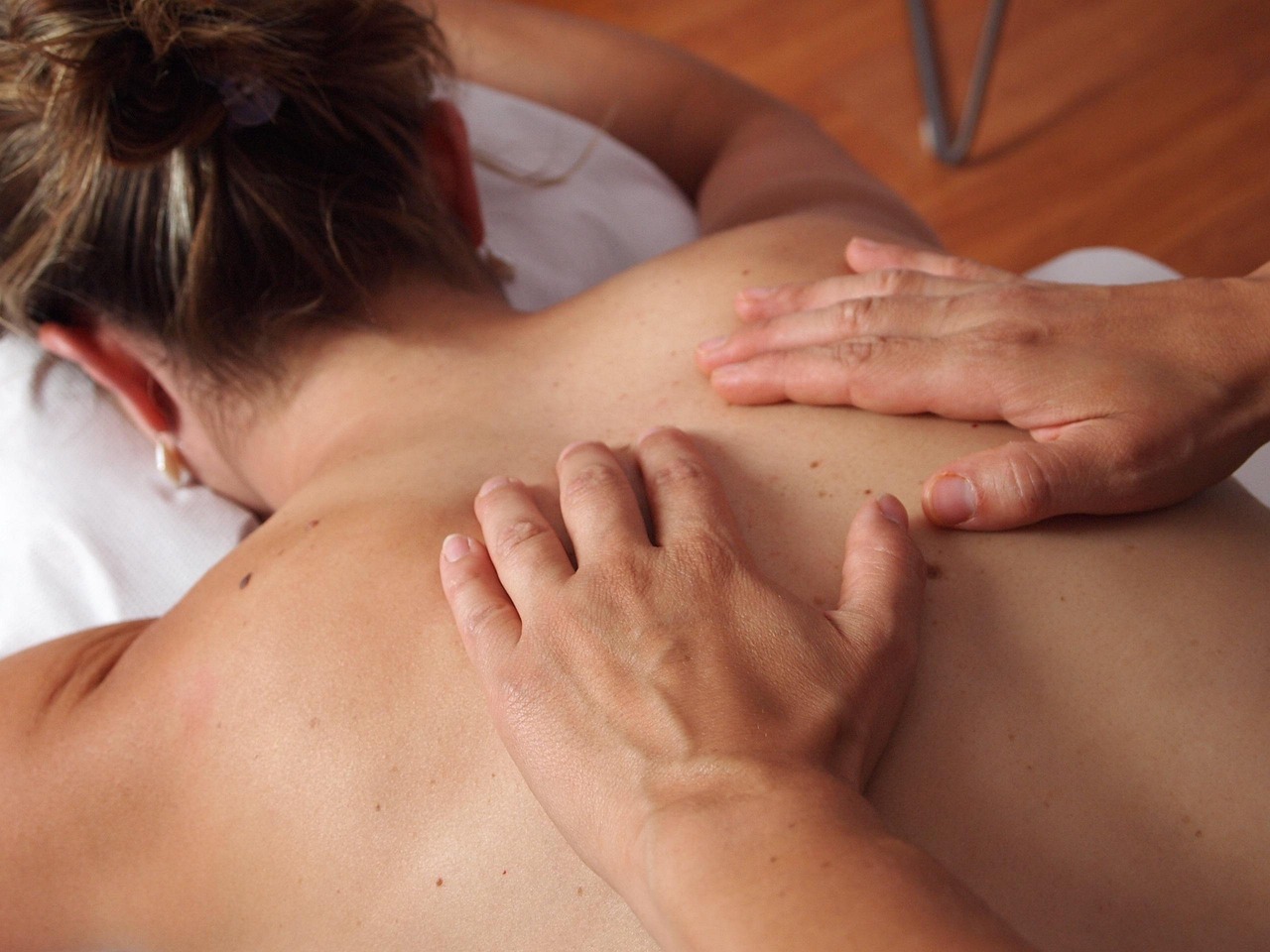

The Impact of Regular Massage on Overuse Injury Recovery
Overuse injuries are common among athletes and individuals who engage in repetitive physical activities. These types of injuries can lead to chronic pain and discomfort, significantly impacting performance and daily activities. Regular massage therapy has gained recognition as an effective recovery method that can aid in alleviating the symptoms associated with overuse injuries. The primary objective of massage for recovery is to enhance blood circulation, promoting quicker healing of damaged tissues. It is essential for individuals recovering from overuse injuries to incorporate massage techniques into their rehabilitation strategies, as it provides a holistic approach to treatment. Massage can reduce tension in muscles, improve flexibility, and increase the range of motion, which are crucial benefits for recovery. Furthermore, regular massage not only assists in physical healing but also supports mental well-being, lowering the stress levels that often accompany injury recovery. Athletes often report feeling more refreshed and mentally focused after therapy sessions, which can contribute positively to their training routines. As a result, individuals seeking to recover from overuse injuries should consider massage therapy as an integral part of their recovery process.
Mechanisms of Massage Therapy
Massage therapy functions through various mechanisms that promote recovery from overuse injuries. When pressure is applied to soft tissues, it stimulates blood flow, allowing oxygen and essential nutrients to reach damaged areas more effectively. Increased circulation not only aids in nutrient delivery but also enhances the removal of metabolic waste products, such as lactic acid, that accumulate during physical exertion. This dual action is vital for accelerating the body’s natural healing processes. Moreover, massage techniques can induce relaxation in tight muscles, which are often a result of repetitive strain. By reducing muscle tension, massage helps restore normal function and encourages proper biomechanical alignment, potentially preventing further injury. Additionally, massage stimulates the nervous system to release endorphins, natural pain-relieving hormones that contribute to pain management. The psychological benefits are equally important, as regular sessions offer athletes a chance to unwind and mentally recharge, enhancing their overall resilience during the recovery phase. As massage becomes an accepted practice for injury recovery, understanding these mechanisms is essential for both practitioners and patients seeking optimal results from their rehabilitation efforts.
The benefits of massage techniques extend beyond immediate relief; they create long-term advantages for individuals prone to overuse injuries. Consistent massage sessions can increase overall muscle performance, aiding athletes in achieving their peak potential. When muscles are kept supple and pliable through regular therapy, the likelihood of experiencing tightness or strain decreases significantly. This proactive approach to injury prevention is critical in ensuring athletes maintain consistency in their training schedules. Furthermore, different massage techniques, such as deep tissue, myofascial release, or sports massage, can be tailored to address specific overuse injury patterns observed in athletes. Each technique offers unique benefits, allowing customized treatment plans that cater to individual needs. Over time, regular engagement with such therapies can enhance proprioception, the body’s ability to perceive its position in space. Improved proprioception is crucial for athletes, as it aids in better coordination and balance, directly impacting performance during activities. By integrating massage therapy into their recovery routines, athletes not only mitigate the risk of chronic injuries but also enhance their overall physical fitness and athletic efficiency.
In addition to the physical benefits of massage therapy, emotional and psychological advancements play a vital role in the recovery of athletes dealing with overuse injuries. Coping with injuries can be mentally taxing, often leading to anxiety, depression, or loss of motivation. Regular massage sessions provide a safe, nurturing environment where athletes can express their feelings and release built-up tension related to their injury. This emotional support can be crucial in fostering a positive mindset, which in turn can enhance recovery outcomes. Studies have shown that individuals who incorporate mindfulness and relaxation techniques, including massage, into their rehabilitation process are more likely to experience shorter recovery periods and improved satisfaction with their overall rehabilitation journey. Additionally, the trust built with a skilled massage therapist contributes to a supportive therapeutic alliance that encourages athletes to remain engaged in their recovery plans. Thus, the psychological and emotional benefits derived from regular massage not only promote healing but also empower athletes to take charge of their health and recovery.
Integrating Massage into Recovery Plans
For athletes recovering from overuse injuries, integration of massage therapy should form an essential component of a comprehensive rehabilitation plan. Collaboration between healthcare providers, including physiotherapists and massage therapists, can enhance the efficacy of recovery strategies. Combining massage with other rehabilitation modalities, such as stretching, strength training, and conditioning, creates a more well-rounded approach to recovery. Professional guidance plays a crucial role in determining the suitable frequency and type of massage techniques best suited for individual circumstances. By regularly scheduled massage therapy services, athletes can establish a rhythm in their recovery journey, facilitating better healing patterns. An effective recovery plan should also incorporate education about proper warm-up and cool-down techniques, as massage can complement these practices by preparing muscles for activity and aiding in post-activity recovery. This comprehensive approach ensures that athletes are not only recovering from injuries but also learning to prevent them in the future. As awareness about the benefits of massage increases, it strongly encourages athletes to prioritize this valuable therapy as part of their long-term health strategy.
While massage therapy is undeniably beneficial, athletes should remain informed about potential limitations of the practice. Individual responses to massage can vary greatly, affected by factors such as the type of injury, personal pain tolerance, and overall health conditions. It’s important that athletes communicate openly with their massage therapists about their specific injuries and any discomfort during treatment. In some cases, immediate post-injury massage may not be advisable, as this could exacerbate inflammation and delaying recovery. Instead, timing and technique adjustments may be necessary to ensure that massage serves as a beneficial aid rather than a hindrance. Consequently, athletes should seek therapists with relevant experience and expertise in treating sports-related injuries to maximize recovery outcomes. Continuous assessment and modification of treatment modalities should be encouraged to ensure that athletes remain on track with their rehabilitation goals. As practitioners work closely with injured individuals, they can help establish effective boundaries and promote safe practices that align with the athletes’ recovery needs. This collaborative approach creates a sustainable framework necessary for achieving optimal health and performance in the long run.
Conclusion
In conclusion, the impact of regular massage therapy on overuse injury recovery is profound and multifaceted. Incorporating massage into recovery plans provides numerous benefits, ranging from physical healing to emotional resilience. As the evidence supporting the effectiveness of massage grows, more athletes are recognizing its value and integrating it into their training regimens. The synergy of improved blood circulation, muscle relaxation, and emotional support creates a comprehensive recovery experience that facilitates healing and empowers athletes. With tailored treatments by skilled professionals, individual athletes can address their unique needs while working towards a swift recovery. Furthermore, as awareness about injury prevention expands, massage therapy serves as a cornerstone of proactive health management. Athletes should embrace the role of massage in not just recovery, but also in enhancing their overall performance and longevity in their respective sports. The journey toward recovery does not simply end with healing; it continues with learning, adapting, and preventing future injuries through thoughtful practices, including regular massage. By prioritizing such therapies, individuals can ensure that they remain strong, resilient, and ready to face their athletic challenges.