
The Impact of Vestibular System on Athletic Performance
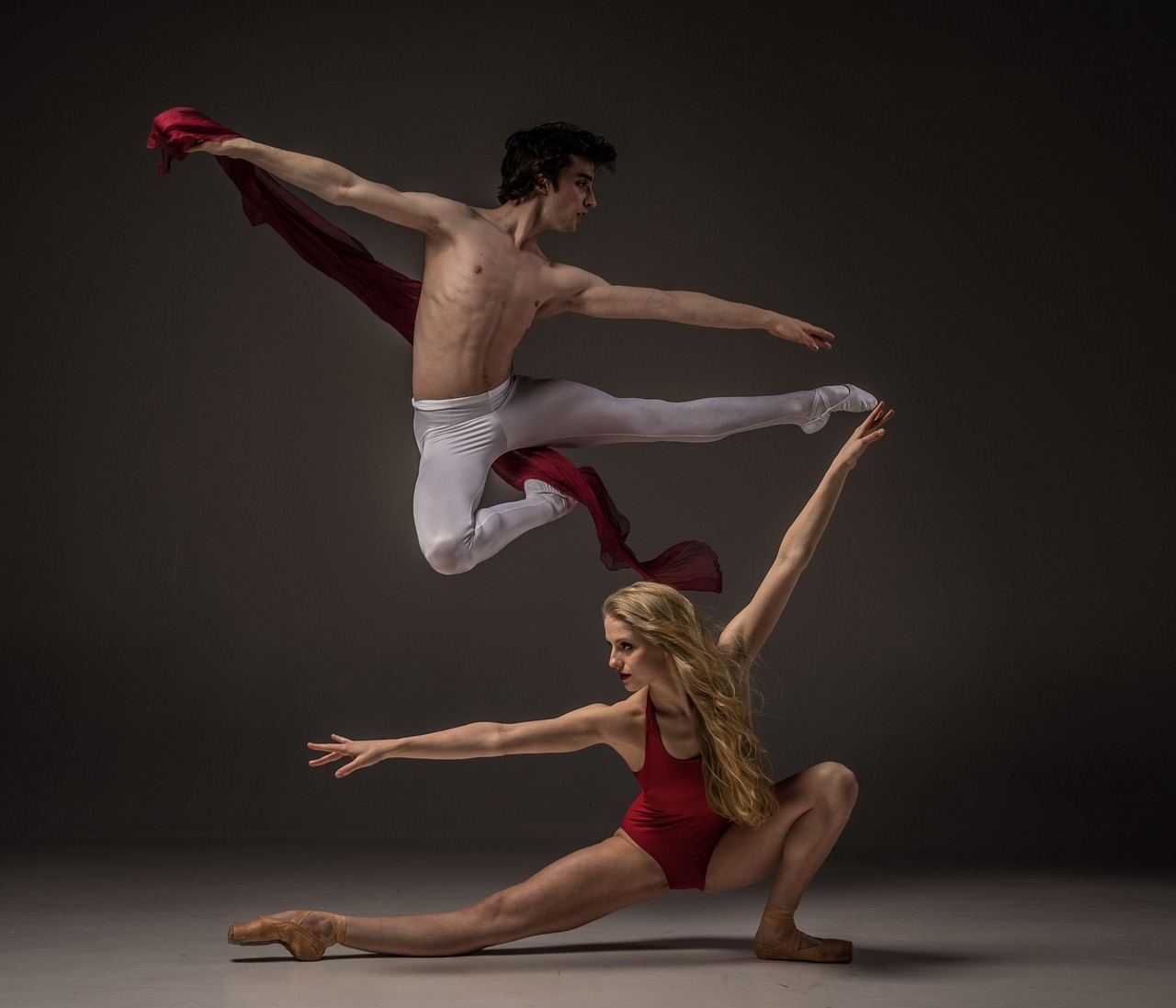
The vestibular system plays a crucial role in athletic performance by influencing balance, posture, and coordination. Athletes rely heavily on this system to maintain stability during various physical activities. The vestibular system consists of structures in the inner ear, which detect changes in head position and movement. These structures send signals to the brain, which processes this information to help coordinate movements. In sports, athletes must often make quick adjustments; hence, a well-functioning vestibular system is vital. Not only does it aid balance, but it also facilitates spatial orientation. For instance, when a gymnast performs a routine, their vestibular system helps them manage orientation and alignment. Moreover, deficiencies in this system can lead to dizziness, balance issues, and even injuries. Therefore, athletes must engage in specific training programs targeting the vestibular system to enhance performance. This training often includes exercises that challenge balance and proprioception, ultimately improving their ability to execute complex movements with precision. By understanding the vestibular system’s mechanics, athletes can optimize their training regimens to boost performance and reduce injury risk.
Furthermore, the vestibular system’s contribution extends beyond mere balance; it impacts reaction time during athletic activities. Effective sports performance demands rapid decisions and quick responses to dynamic environments. The vestibular system plays a key role in this process, helping the brain to swiftly make sense of balance and spatial awareness, crucial elements of many sports. Athletes with robust vestibular function can react instinctively to stimuli, giving them a competitive edge. In contrast, those with vestibular system impairments may experience delayed reactions, adversely affecting their performance on the field or court. Conditioning programs incorporating vestibular exercises can significantly enhance athletes’ reaction times and overall agility. For example, balance beam exercises can stimulate the vestibular system effectively. Other methods may include multi-directional movement drills, which challenge both coordination and balance under varying conditions. The inclusion of these drills in training can train the brain to respond faster and more effectively to challenging situations that athletes often confront. Hence, understanding the vestibular mechanisms can unlock pathways for improved agility and performance enhancement in athletic pursuits.
The Link Between Vestibular System Training and Injury Prevention
Injury prevention is another critical aspect influenced by the vestibular system. Athletes frequently expose themselves to risks associated with falls and collisions during training and competitions. By continuously working on their balance and coordination, athletes can reduce the likelihood of injuries. The vestibular system significantly affects proprioception, our body’s awareness of its position in space. Enhanced vestibular function can lead to better proprioceptive feedback, enabling athletes to make corrections to their movements before injuries occur. Training programs that focus on dynamic balance and stability are essential in this regard. Specific exercises like single-leg stances or stability ball workouts can foster adaptability, vital for any sport. Furthermore, athletes can develop quick reflexes and fundamental motor skills that help in re-establishing balance during unexpected movements. Research suggests that athletes who integrate vestibular system training into their routines report fewer injuries. Thus, implementing such regimes not only sharpens performance but also safeguards athletes from potential harm during rigorous activities. A comprehensive approach that emphasizes vestibular health is key to fostering longevity and success in sports.
The insights into vestibular influence on athletic performance have spurred a demand for tailored training programs focused on this system. Coaches and fitness professionals are recognizing the need to incorporate vestibular stability exercises into their athletes’ training regimens. Such exercises engage both static and dynamic balance challenges and encourage a better responsive capability to shifting body positions. Furthermore, these exercises can be scaled according to the athlete’s needs and skill levels, making them versatile components of training. Whether it involves using balance boards, wobble cushions, or other tools, there are countless options to explore. This growing interest in vestibular training aligns with recent research demonstrating how crucial vestibular health is for athletes across various sports disciplines. Athletes can also benefit from working with specialists, such as physical therapists or athletic trainers, to develop customized programs that directly cater to their vestibular needs. Consequently, by proactively focusing on vestibular training, athletes can elevate their performance levels while simultaneously reducing injury risk. This approach signifies a shift toward a more science-based methodology in sports training.
Exploring the Benefits for Specific Sports
Different sports may require different balance and coordination capabilities, highlighting the need for a comprehensive understanding of the vestibular system’s role. For instance, in sports like gymnastics and diving, athletes rely heavily on precise balance for successful execution of routines. Enhancements in vestibular function can translate into better performance in these sports due to improved spatial awareness and coordination. Similarly, athletes in team sports like basketball or soccer benefit from strong vestibular systems, allowing them to navigate quickly while avoiding opponents. By incorporating specific drills, such as agility ladders or reaction balls, athletes across varying levels can fine-tune their vestibular responses. Moreover, in endurance sports like running or cycling, a well-functioning vestibular system can aid in maintaining stability over uneven terrains or during fast turns. Understanding how vestibular influence varies across sports contexts enables tailored approaches to training. Coaches can devise sport-specific exercises, ensuring athletes enhance necessary vestibular functions relevant to their disciplines, thus optimizing performance and enhancing overall athletic capabilities.
The applications of vestibular system training are not limited to elite athletes but extend to recreational athletes as well. Weekend warriors or casual sports enthusiasts can also benefit from enhancing their vestibular system. Improved balance, coordination, and spatial awareness can lead to a more enjoyable experience in various activities, from hiking to cycling, by reducing the risk of falls or injury. Integrating simple vestibular-focused exercises into routine workouts can enhance overall fitness levels and athletic ability for recreational participants. Exercises such as lunges on unstable surfaces or utilizing balance beams can be effective yet accessible methods to improve vestibular function. Such exercises can promote better coordination in regular physical activities, allowing participants to engage more profoundly in their chosen sports or hobbies. Furthermore, as individuals age, maintaining vestibular function becomes increasingly important for overall mobility and independence. Taking proactive steps to strengthen vestibular health can increase confidence and mitigate the risks associated with falls among older adults.
The Future of Vestibular System Research in Sports
Research into the vestibular system’s role in athletic performance is ongoing and reveals exciting insights. Advancements in technology and methodology have opened new avenues for understanding how this system impacts athletes. Continuous investigation into the neurological pathways related to balance and coordination can yield strategies to enhance performance further. Emerging technologies, such as virtual reality and motion capture, can provide data-driven insights on how athletes engage their vestibular systems during performance. These advancements can also help in developing innovative training tools and methods tailored to individual needs. As sports science evolves, coaches and trainers will have the opportunity to leverage these insights to create highly customized training programs. Moreover, collaborating with neuroscientists and physical therapists on interdisciplinary research initiatives could propel findings that bridge gaps between theory and practice. The future holds promise for a refined understanding of vestibular dynamics, resulting in better performance and improved safety for athletes at all levels. The quest for knowledge about the vestibular system’s impact on sports is vital for shaping the future of sports training and performance optimization.
In conclusion, the vestibular system plays an invaluable role in athletic performance across all levels, from elite athletes to recreational participants. It is fundamental to balance, coordination, reaction time, and injury prevention. Training programs targeting vestibular health can significantly enhance an athlete’s capabilities, empowering them to perform at their best and enjoy their sports more safely. Emphasizing vestibular training exercises encourages a well-rounded approach to athletic training, promoting overall fitness and longevity in sports. Enhancing the vestibular system not only benefits performance; it also contributes to a deeper understanding of the complex requirements of various sports. As more athletes and coaches embrace vestibular-focused training, there is an opportunity for continuous improvement in performance and injury prevention. Integrating recent research findings with real-world applications creates a win-win scenario for athletes and their performance enhancement. Future studies will likely uncover more about the vestibular system, solidifying its place as an essential element of athletic training. Embracing this approach is paramount to future athletic success, safety, and development.