
Hydration and Electrolytes: Staying Balanced on Keto
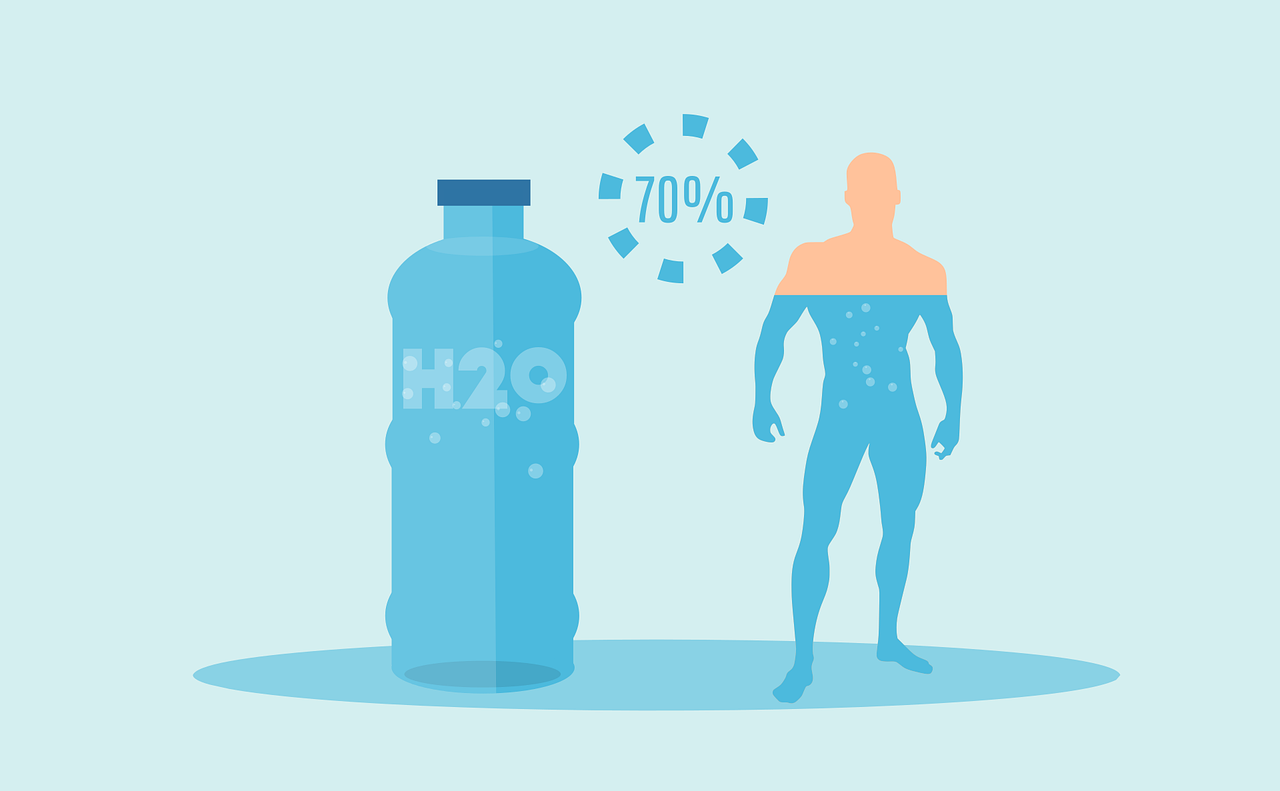
One of the primary challenges when following a ketogenic diet is maintaining proper hydration and electrolyte balance. As the body shifts from burning carbohydrates to fats for fuel, it also undergoes changes in fluid and mineral levels. In a state of ketosis, the body tends to excrete more water and minerals due to reduced insulin levels. This can lead to dehydration and an imbalance of electrolytes like sodium, potassium, and magnesium. It’s essential to be aware of these factors. When dehydration occurs, symptoms such as fatigue, dizziness, and irritability can happen. To combat these issues, increase your water intake and ensure that you are consuming an adequate amount of electrolytes. It’s advisable to drink around 2-3 liters of water daily, depending on your activity level and personal needs. Furthermore, consider supplementing electrolytes, especially during the initial phases of keto. These can be found in various forms, including powders and capsules. Additionally, incorporating high-electrolyte foods into your diet can also help manage these levels effectively. Options include leafy greens, avocados, and nuts.
A significant component of staying hydrated on a keto diet is sodium intake. On a traditional diet, most individuals consume high amounts of sodium. However, with keto, this often changes due to the exclusion of processed foods. As the body depletes glycogen stores, water is released from the cells, leading to potassium and sodium losses. Sodium helps to retain water, which can aid in maintaining hydration levels. Incorporating salt into your meals can be beneficial. Adding salt to your food not only enhances flavor, but it also helps retain the water you consume. However, be cautious not to exceed the recommended daily sodium intake, which is generally around 2,300 mg. If you’re active, you may need to adjust that level to prevent low blood sodium. Furthermore, consider using sea salt or Himalayan pink salt, which may provide trace minerals beneficial for overall health. Eating foods high in sodium like olives, pickles, and broth can also be helpful. Staying aware of your sodium levels can ensure your body functions optimally while following a keto diet.
Potassium: A Key Electrolyte
Potassium is another critical electrolyte that plays a vital role in muscle function and cardiovascular health. When initiating a low-carb or ketogenic diet, potassium levels may drop due to increased excretion by the kidneys. The balance of potassium directly affects muscular contraction and nerve function, making its importance undeniable. Insufficient potassium may lead to muscle cramps, weakness, and even heart arrhythmias. Therefore, it’s advisable to consume potassium-rich foods like avocados, spinach, and nuts. Avocados, in particular, are not only delicious but also packed with potassium and healthy fats beneficial for the keto diet. Additionally, consider monitoring your potassium levels through dietary sources and supplements if necessary. If you find it challenging to meet your potassium needs through food, consult your physician about potassium supplements. Keep in mind that balancing potassium intake is essential, as too much can also lead to health issues. Staying informed about your potassium intake while on a keto diet ensures that energy levels remain steady and overall health is proficient.
Magnesium, often overlooked, is another essential electrolyte that supports numerous bodily functions, including muscle recovery, stress reduction, and energy production. Unfortunately, many people on a ketogenic diet may experience deficiencies in magnesium due to the list of eliminated food groups. When you reduce carbohydrate intake, you may also be cutting out many sources of magnesium-rich foods. Symptoms of magnesium deficiency can include muscle spasms, fatigue, and mood fluctuations. To prevent this imbalance, incorporate magnesium-rich foods into your diet, such as leafy greens, nuts, seeds, and dark chocolate. Supplements can also be beneficial if dietary intake isn’t sufficient, but consult with a healthcare provider first. Ensuring adequate magnesium levels is crucial for maintaining optimal hydration since magnesium helps retain other electrolytes and can influence water balance in the body. Additionally, magnesium is known to help ease muscle tension, making it an excellent aid for post-workout recovery. Proper hydration combined with adequate magnesium can enhance overall performance, making it a vital focus during your keto journey.
Staying Hydrated during Exercise
For anyone following a keto diet, especially active individuals, staying hydrated during workouts is critical. As exercise increases fluid loss through sweat, the demand for hydration rises. Particularly in a state of ketosis, where fluid balance is delicate, ensuring that sufficient water intake remains a priority during physical activity is essential. Thirst signals should not be ignored, particularly around workout times. Therefore, aim to drink water before, during, and after your workouts. Electrolyte supplements may also prove beneficial during intense exercise, replenishing lost minerals efficiently. This practice is especially crucial for endurance athletes who may require additional electrolytes to maintain performance levels. Sports drinks that are low in sugar and high in electrolytes can be great choices to maintain hydration. Consider making your own electrolyte drink by mixing water with a pinch of salt and a splash of lemon juice. Additionally, focus on eating keto-friendly snacks before exercising that are not only low in carbs but hydrate the body. Cucumbers and strawberries can be an excellent, refreshing choice that adds both hydration and energy.
Another effective strategy to ensure hydration while following a keto diet is by utilizing technology. There are several apps designed to track fluid and electrolyte intake specifically tailored for low-carb dieters. Being aware of your hydration status can empower you to be proactive in managing your levels, leading to improved health outcomes. These apps often include food databases, allowing you to log your meals against your electrolyte needs easily. By implementing such technology, users can tailor their hydration strategies according to workout schedules or stress levels. These resources may also encourage accountability, as seeing your daily water consumption can motivate you to stay disciplined. Remember that hydration isn’t just about how much water you consume; it uniquely integrates the food choices you make daily. Therefore, alongside technology, integrating whole foods rich in hydration and electrolytes can create a balanced approach to maintaining hydration. Understanding your body’s requirements and how to best support them will help you navigate the keto lifestyle effectively.
Practical Tips for Hydration
Lastly, implementing practical tips can boost your hydration while on a ketogenic diet. First, create a daily hydration routine; keeping a water bottle accessible can serve as a reminder to drink more water throughout the day. Infusing water with slices of fruits like lemon or cucumber can make hydration more enjoyable, encouraging you to drink more effectively. Setting reminders on your phone can also help you establish consistent water intake habits. In addition, consuming foods with high water content can contribute significantly to your hydration goals. Foods like watermelon, celery, and soups can provide both hydration and essential nutrients. Always be aware of your activity level and increase fluid intake accordingly; during hot weather or intense workouts, drink extra water. Furthermore, consider timing for electrolyte replenishment around your workouts or strenuous activities, ensuring your body is well-supported. Lastly, listen to your body. It often provides cues, such as thirst or fatigue, indicating when your hydration levels might be off. Prioritize hydration and electrolytes, and your keto journey will become more successful.
In conclusion, understanding the relationship between hydration and electrolytes is essential for anyone following a ketogenic diet. The delicate balance of sodium, potassium, magnesium, and hydration contributes significantly to well-being and performance. The changes that occur in the body as it adapts to using fat for fuel mean that the need for proper hydration increases. As individuals transition into a ketogenic lifestyle, taking proactive steps to monitor and maintain hydration and electrolyte levels becomes vital. By consuming adequate amounts of water and incorporating electrolyte-rich foods or supplements, issues such as fatigue, muscle cramps, and dizziness can be minimized. Moreover, utilizing technology for tracking hydration and focusing on whole foods can enhance the effectiveness of a keto diet. Creating daily habits centered around hydration can lead to better health outcomes and support an active lifestyle. Everyone’s needs will differ, so individual adjustments may be necessary to find what works best personally. By prioritizing hydration and electrolytes, you can thrive on your keto diet and achieve your health goals.