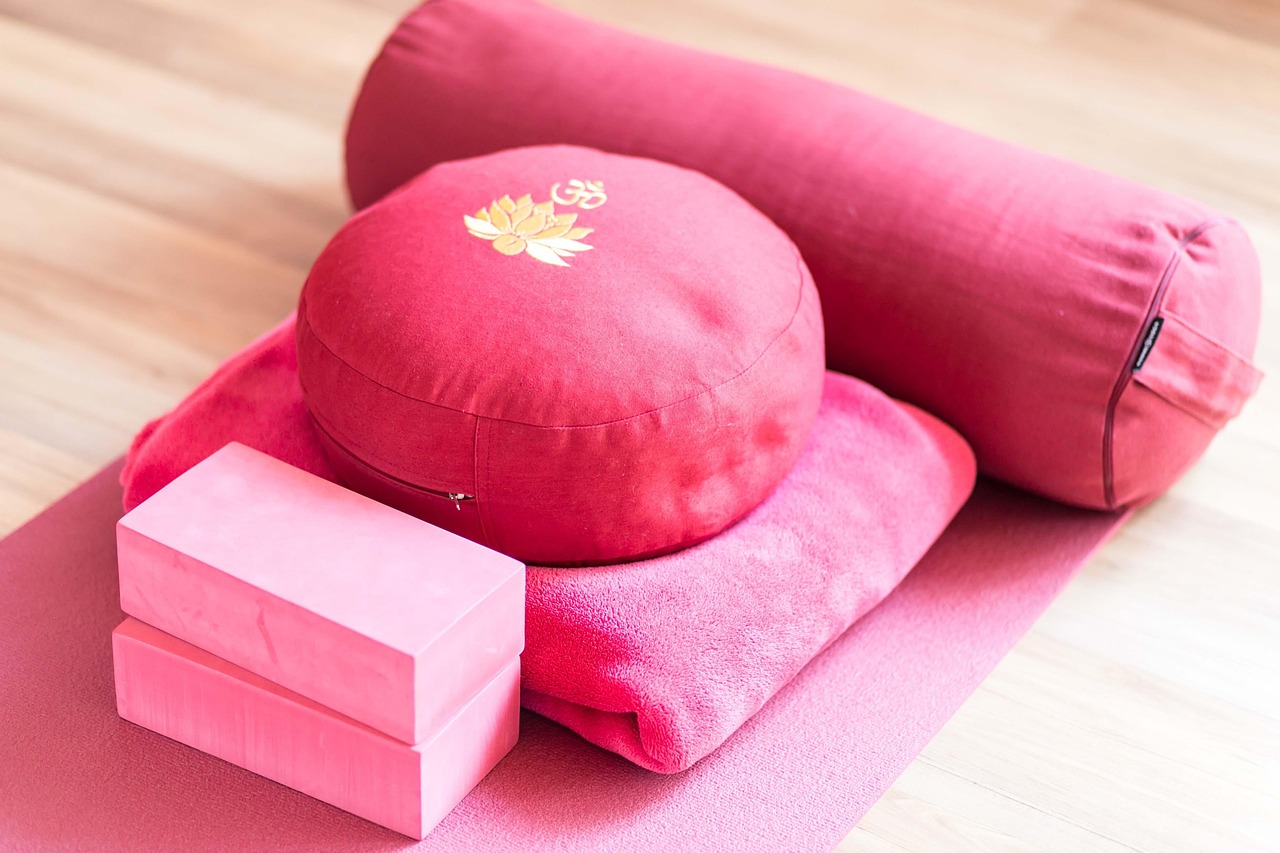

Eco-Friendly Yoga Blocks: Sustainable Choices for Mindful Yogis
As yoga continues to grow in popularity, practitioners are increasingly seeking equipment that aligns with their values, particularly when it comes to sustainability. Eco-friendly yoga blocks provide a perfect example of this trend, allowing yoga enthusiasts to support their practice while also caring for the planet. Made from natural materials, including cork, recycled foam, and bamboo, these blocks not only enhance your routine but also add a touch of mindfulness to your practice. The use of sustainable materials means less impact on the environment and a healthier alternative that benefits both users and the planet. By choosing eco-friendly blocks, yogis can ensure that their contributions to fitness do not compromise their commitment to sustainability. With many options available, it’s crucial to consider factors such as material, durability, and grip to find the right block for your needs. Whether you’re a beginner or an advanced practitioner, eco-friendly yoga blocks can enhance your alignment, stability, and overall performance during practice, making them an essential tool for every respectful yogi.
When selecting a yoga block, one of the most significant considerations is the material used in its production. Eco-friendly options typically include cork, recycled EVA foam, and even non-toxic bamboo. Cork, for instance, is a renewable resource that is not only naturally anti-slip but also biodegradable, making it an excellent choice for both your practice and the environment. Recycled foam blocks are also beneficial, as they help reduce waste and minimize the demand for new materials. Additionally, bamboo blocks provide a unique aesthetic and durability while being eco-conscious. Many brands highlight their commitment to sustainability, offering blocks that are free from harmful chemicals and manufactured in environmentally friendly processes. Practitioners should look for reputable companies that are transparent about their sourcing and production methods. Prioritizing reputable brands ensures you support conscious producers who genuinely care about both wellness and environmental impact. This choice reinforces the ethos of yoga, which emphasizes interconnectedness and a harmonious relationship with nature. It reflects a mindful approach that respects our planet while promoting personal well-being.
Benefits of Using Eco-Friendly Yoga Blocks
Using eco-friendly yoga blocks offers numerous benefits that extend far beyond their environmental impact. First, these blocks often come with excellent durability and performance, ensuring they withstand daily use without degrading rapidly. This resilience means your investment pays off in the long run, as you won’t need to replace them frequently. Furthermore, their ergonomic designs and superior grip enhance stability during various poses, boosting your confidence as you deepen your practice. Eco-friendly blocks also play a vital role in enhancing mindfulness among practitioners. As you become more aware of the materials touching your body, it creates a deeper connection to your practice, allowing for a focus on self-discovery and inner peace. Additionally, eco-friendly choices contribute to a healthier home environment, as many of these blocks are free from harmful chemicals often found in traditional yoga products. They promote clean air quality, allowing for a more enjoyable practice space. Ultimately, eco-friendly yoga blocks not only enrich your yoga experience but also instill a sense of fulfillment knowing you’re making considerate choices.
Popular Brands of Eco-Friendly Yoga Blocks
Many brands have emerged, positioning their eco-friendly yoga blocks as the go-to option for health-conscious and environmentally savvy yogis. Notable among them is Manduka, which uses sustainable materials and a robust manufacturing process to create high-quality yoga blocks. Their products are designed for maximum grip and stability, appealing to yogis seeking reliable equipment. Another brand worth mentioning is Gaiam, renowned for its commitment to providing eco-conscious fitness products. They offer a range of cork and foam yoga blocks that are lightweight yet resilient, catering to practitioners of all levels. Liforme also stands out with their high-quality, non-toxic yoga equipment, emphasizing both sustainability and performance. Each of these companies presents compelling options for those interested in eco-friendly choices. It is vital to research each brand to understand their values and sustainability practices. Furthermore, this exploration helps practitioners connect with brands that embody their personal philosophies. In doing so, they support companies that contribute positively to the environment while enhancing their own practices. Ultimately, choosing quality blocks from reputable brands is essential for a mindful yoga journey.
When purchasing eco-friendly yoga blocks, consider various factors to ensure you invest wisely in your practice. One critical element is size and firmness. Different poses require different levels of support, so having blocks of varying densities or sizes can be beneficial. For instance, softer blocks might offer more cushioning for restorative poses, while firmer blocks are ideal for alignment and stability. Always check the dimensions of the blocks and choose per your body type and yoga style. Additionally, examine the texture and grip; a non-slip surface is vital for maintaining balance during challenging poses. It’s also helpful to read reviews from fellow practitioners about their experiences with specific eco-friendly blocks. This feedback can provide valuable insights into how a block performs in real-life practice. Don’t forget to keep an eye on pricing, especially when exploring higher-end brands. While investing in quality is important, look for sales or discount options to find the best balance between quality and price. Ultimately, the goal is to select blocks that resonate with your practice and enhance your overall yoga experience.
Care and Maintenance of Eco-Friendly Yoga Blocks
To extend the lifespan of your eco-friendly yoga blocks, proper care and maintenance are essential. Begin by cleaning them regularly to avoid accumulating grime and bacteria. A gentle cleanser and a damp cloth usually suffice for regular maintenance. However, always check the manufacturer’s recommendations regarding cleaning solutions, as some materials may require special care. Additionally, store your blocks in a cool, dry place away from direct sunlight, as prolonged exposure to heat can warp or degrade the materials. If you notice any signs of wear or tear, address these promptly to prevent further deterioration. Consider rotating the use of multiple blocks as needed, which can help distribute wear evenly across your equipment. For cork blocks, oiling with natural oils periodically can prevent drying or cracking. This routine maintenance allows you to enjoy the benefits of your eco-friendly yoga blocks for years while maintaining their appearance and performance. Moreover, taking diligent care of your blocks fosters respect for your equipment, aligning with the ethical principles of yoga ethos concerning sustainability and mindfulness.
In addition to using eco-friendly yoga blocks, yogis can enhance their sustainable practice further by considering other eco-friendly yoga accessories. For instance, look into mats made from natural rubber or jute, as they provide a non-toxic and eco-conscious alternative to traditional mats. Additionally, consider sustainable yoga straps crafted from recycled materials or organic cotton to aid flexibility and alignment. As you curate your yoga gear, think beyond just blocks and straps. Choose apparel made from bamboo or organic cotton and invest in reusable water bottles to minimize single-use plastics during your practice. These sustainable choices create a holistic approach to yoga and mindfulness, ensuring that every aspect of your practice aligns with your values. By integrating these eco-friendly accessories, a deeper commitment to sustainability arises, leading to a more mindful lifestyle. Embracing sustainability in your yoga routine not only benefits the environment but also reinforces the principles of compassion and interconnectedness inherent in yoga philosophy. Remember that every small choice counts, contributing collectively towards a healthier planet and a more ethical practice.