
Cool-Down Strategies to Prevent Injuries in Youth Sports
Cool-down techniques play a crucial role in preventing injuries for young athletes engaged in various sports. These methods help in transitioning the body from intense physical activity to a resting state gradually. Therefore, including structured cool-down sessions in training and practice routines is essential. Youth sports often involve rapid physical exertion, leading to muscle fatigue and soreness. Cooling down properly aids in recovery, ensuring young athletes are ready for their next challenge. Methods such as gentle stretching, walking, or light jogging help in lowering heart rates gradually. Stretching, particularly, promotes flexibility and reduces the risk of injuries. Even though young athletes may hardly feel the need to cool down, developing this habit early promotes better overall health. Additionally, it instills a sense of discipline, encouraging them to prioritize their well-being. Ensuring that youth understand the importance of recovery maximizes their performance while minimizing health risks. In engaging youth sports, educators, coaches, and parents must emphasize not only the physical aspects but also the significance of mental recovery. All these practices work together harmoniously as effective cool-down strategies for preventive measures against injuries.
Effective Cool-Down Techniques
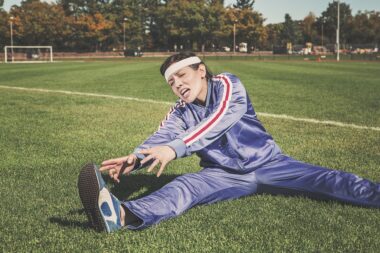
The effectiveness of cool-down techniques is amplified by their variety. Active recovery, such as walking, light cycling, or easy swimming, allows gradual reduction of heart rate and aids in the removal of metabolic waste. Stretching focused on major muscle groups is critical after physical exertion. Holding stretches for 15-30 seconds each helps to regain flexibility lost during activities. Additionally, dynamic warm-up techniques applied in reverse can facilitate effective cool-down. This involves performing movements similar to the prior exercises, but at a significantly reduced intensity. Another essential measure is hydration after activities to replace fluids lost through sweat. Water and electrolyte rich sports drinks are excellent choices post-exercise. Encouragement from coaches to reinforce these practices is vital for instilling lifelong habits in young athletes. When cool-down exercises are performed regularly, athletes may experience fewer injuries and improved performance levels. Including peer support during cool-down may also foster a sense of teamwork among young athletes. The camaraderie built during these moments can enhance the overall sports experience, leading to sustained engagement in healthy activities. Ultimately, a suitable combination of these techniques maximizes effectiveness in injury prevention and promotes safe practices.
To further enhance cool-down effectiveness, breathing techniques can help manage physiological responses. Controlled breathing helps lower heart rates and facilitates relaxation. Encourage young athletes to take deep, slow breaths during their cool-down routine. Not only does adequate oxygen intake promote recovery, but focused breathing also calms nervous systems. Mental recovery aspects include mindfulness or visualization exercises that can take place during cool-downs. Having athletes visualize their next performance or reflect on the day’s efforts fosters a positive mindset. These practices help build mental resilience in young athletes. Introducing music during these cool-down sessions can make them more enjoyable, cooperative, and engaging for participants. Research shows that music aids in enhancing mood and motivation. Incorporating peer discussions can facilitate social bonding while promoting reflection about the practice session or game. With supportive environments, athletes develop not only physically but also emotionally. The importance of cool-downs in youth sports extends beyond physical recovery; it contributes to character building. Coaches should prioritize educating athletes on these broader aspects of cool-down. Ultimately, the combination of physical and psychological components provides a comprehensive approach that paves the way for a healthier future in sports.
Teaching Strategies for Coaches
For coaches, teaching cool-down techniques requires patience and creativity. Clarifying the reasons for cool-downs can enhance athlete compliance significantly. Organizing short workshops on cool-down sessions encourages understanding among young athletes and their parents. Incorporating cool-down activities into regular practice helps solidify their importance. Make these sessions fun and interactive, utilizing engaging methods such as games or challenges. Innovative activities that simulate fun games while performing cool-down exercises can pique interest. Role modeling is crucial as well; coaches should actively participate in cool-down sessions to inspire athletes. Moreover, collecting feedback from athletes can improve the effectiveness of cool-down routines. Encourage youth to express their thoughts on various techniques to find what works best for them. Properly trained coaches understand the nuances of injury prevention, helping young athletes develop essential skills. Encourage athletes to take ownership of their recovery practices by having them set personal goals related to cool-down. Lastly, developing a positive atmosphere where young athletes feel comfortable admitting fatigue or the need to cool down is essential. By fostering open communication, coaches can enhance the overall effectiveness of their training programs.
Nutritional considerations play a role in youth recovery and cool-down routines. Ensuring proper post-exercise nutrition allows young athletes to replenish lost energy and nutrients. Timely intake of proteins and carbohydrates post-activity aids muscle recovery while refueling energy reserves. Educating athletes about suitable foods to consume after sports contributes to overall health and recovery. Encourage meal planning practices tailored to young athletes’ needs. Regularly scheduled team meals can also create positive social interactions, making nutrition an enjoyable aspect of their routine. Additionally, hydration should be emphasized as part of the cool-down strategy. Maintaining fluid levels throughout exercises and afterward is crucial for overall health and performance. Sports drinks can be suitable in moderation, yet water is still fundamental for effective rehydration. Coaches should ensure easy access to water sources during practice and events. Young athletes can be encouraged to keep track of their hydration levels through fun challenges, promoting accountability. By integrating nutrition discussions into light-hearted conversations, athletes can learn to make better dietary choices. Overall, proper nutrition and hydration combined with effective cool-down techniques lay the foundation for healthy, injury-free youth sporting experiences.
Parental Involvement
Parental involvement is critical for reinforcing cool-down practices at home and in youth sports settings. Parents can help establish routines that emphasize the importance of cooling down following practices and games. Communication between coaches and parents about cool-down strategies enhances consistency. Providing parents with resources, such as guidelines or videos on effective techniques, can empower them. The involvement of parents in sports not only supports athletes but fosters a sense of community. By participating in cool-down sessions together, families can bond and help reinforce these crucial recovery habits. On the occasion of sporting events, parents can assist in promoting hydration and providing nutrition tips. Organizing community events that focus on cool-down techniques can further spread awareness and education. Parental support enables youth to feel valued and understood during their journey in sports. Establishing dialogues about performance and recovery emphasizes their importance in children’s lives. Increased family engagement promotes a healthy sporting culture. Additionally, supporting youth in their athletic endeavors reinforces the positive impacts of sports. Ultimately, a collaborative approach involving coaches, parents, and athletes maximizes the benefits of cool-down strategies and injury prevention.
In conclusion, the implementation of structured cool-down techniques for youth athletes is paramount for promoting long-term athlete development. Understanding the underlying mechanics of the body during recovery emphasizes the importance of cool-down activities. By incorporating diverse methods, addressing both physical and psychological aspects, youth sports become safer and more enjoyable. Coaches, parents, and young athletes must work in unison to cultivate an environment that values recovery. The continuity of such practices ensures athletes perform optimally while maintaining their health. Focusing on active recovery, stretching, hydration, and nutrition creates a holistic approach to sports. Each cool-down session presents a valuable opportunity for personal growth and community building. Encouraging youth to engage in these practices will enhance their overall sporting experiences, cultivating not just athletes but well-rounded individuals. Thus, taking cool-downs seriously contributes to a brighter future in youth sports. Emphasizing these techniques promotes a culture of safety, performance, and resilience among young athletes. As youth grow in their sporting endeavors, they will carry these essential practices throughout their lives. With education and collaboration, we can safeguard our youth while encouraging them to enjoy sports in its entirety.