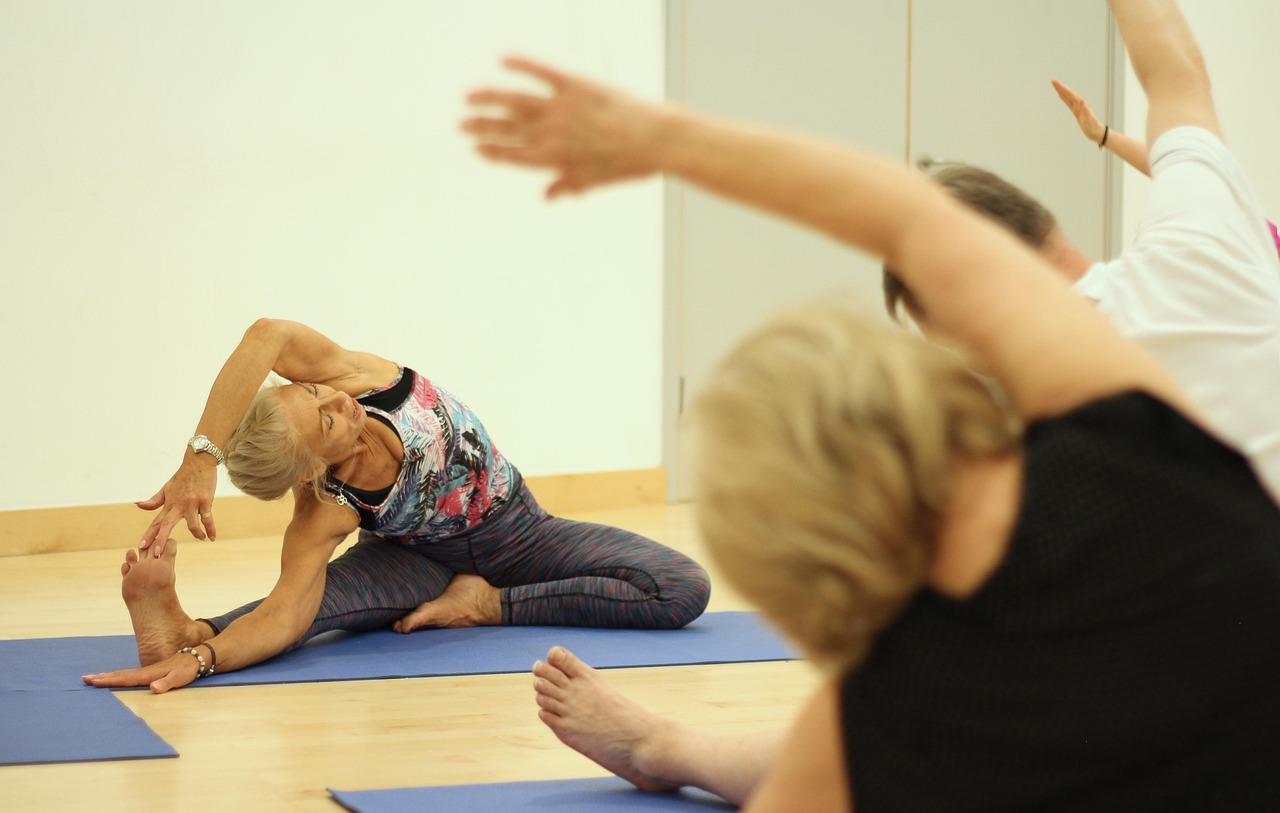

Combining Yoga and Posture Apps for Better Alignment
In today’s fast-paced world, maintaining proper posture has become increasingly challenging. With long hours spent at desks, many people neglect their alignment, leading to discomfort or chronic pain. Fortunately, the emergence of posture correction apps presents a valuable solution. These applications help users identify, track, and improve their posture through guided exercises and feedback. Integrating these tools with yoga can enhance results significantly. The main idea is that while posture apps focus on awareness and correction, yoga practices provide the flexibility and strength needed to maintain alignment. Many yoga poses strengthen the core, back, and shoulders, which are essential for good posture. Using both types of apps together allows individuals to engage actively in their wellness journey. By finding a balance between real-time posture awareness and the timeless wisdom of yoga, users can improve their physical health. Furthermore, apps often feature video demonstrations, tips, and reminders, making adherence easy. Pairing technology with ancient practices offers a holistic approach that appeals to diverse audiences seeking better alignment.
The Importance of a Strong Foundation
To achieve better posture and alignment, it is crucial to establish a strong foundation. Muscles play a significant role in maintaining stability and balance, ensuring our bodies can support correct alignment effectively. Poor posture often stems from weak muscles, tight tendons, or imbalances that lead to discomfort. Yoga focuses on strengthening and lengthening key muscle groups, particularly those in the back, core, and shoulders. Combining yoga with posture correction apps can help users perform specific exercises tailored to their needs better. These apps often feature personalized assessments to help identify problem areas, guiding users toward an effective routine. Moreover, these routines are easily adaptable, allowing individuals to progress at their own pace. As yoga teaches body awareness and mindfulness, users become more attuned to their posture throughout their daily lives. To achieve lasting improvements, consistency is vital in applying the poses and principles learned in yoga. Overall, developing a strong physical foundation can enhance performance in sports while also preventing injury, making the synergy of yoga and posture apps a powerful wellness strategy.
Incorporating posture correction apps into a regular yoga practice can lead to significant physical and mental benefits. As individuals engage more with their bodies, they develop a deeper understanding of their movements and the impact of alignment on their well-being. Many people seeking corrective solutions often overlook the psychological aspects that poor posture can have. Mental well-being is linked to physical health, and vice versa. With posture correction, apps often include guided meditations and breathing exercises that promote relaxation and mindfulness. These features can help alleviate stress and anxiety levels that commonly accompany poor posture. Assessing one’s body regularly through these apps can create a routine of self-care and attention to detail. Moreover, as users gain confidence in their posture, they may experience boosts in self-esteem and energy. This newfound confidence can positively influence other aspects of life, including social interactions and professional performance. Yoga not only improves physical flexibility but also enhances resilience against daily stresses. Together with technology, it creates a practical and holistic experience that encourages sustainability in maintaining alignment and achieving overall wellness.
Features of Effective Yoga and Posture Apps
When selecting yoga and posture correction apps, numerous features enhance the user experience and overall effectiveness. Tracking capabilities allow users to monitor their progress over time, giving insights on improvements made in alignment, flexibility, and strength. Integration with wearable technology, such as fitness trackers, can provide additional feedback on daily activities. A comprehensive library of yoga poses and sequences will also enable users to customize their workouts based on personal goals and levels of experience. Additionally, instructional videos demonstrating proper form can guide users to maximize their practice’s benefits. Notifications and reminders help ensure consistency, encouraging adherence to routines. Another noteworthy feature is the community aspect—many apps include forums for users to connect, share experiences, and seek advice. This connection fosters motivation and accountability. Furthermore, having voice guidance during practices allows for a hands-free experience, ensuring users can maintain focus. When an app encompasses these features, it provides a comprehensive approach towards improving posture and cultivating a consistent yoga practice. Look for apps that combine these elements for a well-rounded experience.
While numerous yoga styles exist, finding the right fit is essential for enhancing postural alignment. Not all yoga practices focus on the same muscle groups or carry the same intensity level. For example, Vinyasa yoga emphasizes seamless transitions between poses, promoting movement and flow. In contrast, Hatha yoga offers a slower approach, allowing for more time to focus on alignment and breathing techniques. Each style brings unique benefits but can influence one’s posture differently. Beginners may benefit from starting with Hatha, as it emphasizes foundational postures and techniques. For those more experienced, incorporating classes like Power yoga can build strength and stamina. Moreover, some apps offer diverse programs that blend various styles, allowing adaptability based on individual needs. Users should feel encouraged to experiment with different practices to discover what resonates best with their body and goals. Additionally, regular practice is key to reaping the full benefits of integrating yoga with posture correction apps. By committing to explore versatile styles, users can enhance their journey towards improved alignment, strength, and overall wellbeing.
Maintaining Consistency in Practice
Consistency is a critical factor in achieving and maintaining good posture through yoga and posture correction apps. While many may start with enthusiasm, the challenge lies in creating a sustainable routine. To counteract this, digital reminders and app notifications can play an integral role. Setting daily goals or scheduling reminders can keep users accountable in their journey. Additionally, participating in online challenges or joining virtual classes can provide structure and foster community support. Most importantly, establishing a consistent time for practice can help reinforce it as a habit. Listening to one’s body is equally vital—if users are fatigued or overwhelmed, resting is essential. Modifying routines based on personal preferences fosters a more positive experience. Furthermore, integrating short sessions throughout the day can maintain engagement without feeling overwhelming. Performing targeted yoga poses in brief intervals contributes significantly to overall posture improvement. Overall, navigating the path toward effective posture correction can ultimately help individuals regain their confidence while nurturing a consistent yoga practice for long-term benefits.
Combining yoga with posture correction apps creates an innovative and holistic approach to achieving and maintaining alignment in our daily lives. Such synergy opens pathways for enhancing physical fitness while nurturing mental wellness. As technology continues to evolve, more resources will become available to support users in their journey toward better posture. Engaging with both yoga and digital tools empowers individuals to take charge of their well-being intentionally. It’s essential to emphasize the importance of seeking professional guidance in conjunction with using apps. Consulting with a fitness or yoga expert can help determine the best practices for one’s unique needs and abilities. Moreover, taking the time to conduct thorough research on available apps will ensure individuals find the right fit for their journey. As users become more adept at balancing both methods, they create a unique experience that promotes strength, flexibility, and endurance within their practice. Ultimately, embracing the combination of yoga and technology can pave the way for improved physical and mental health, promoting better alignment in all aspects of life.
Transforming your life through better posture and yoga practice can ultimately lead to profound benefits both physically and mentally. By committing to these practices and integrating innovative technologies, you become an active participant in elevating your overall quality of life. Through mindfulness and awareness, you can positively influence your alignment, contributing to reducing the risk of injury and discomfort in daily activities. Each small step taken towards improvement matters, creating a ripple effect on well-being. Consequently, your journey towards better posture can inspire others to pursue similar paths, fostering a culture of health, vitality, and well-being. By sharing experiences—whether through app communities or offline connections—you can help create movements supporting improved alignment for everyone. Emphasizing the importance of self-care and dedicated practice will generate not just personal successes but also empower others on their journeys. Combining the timeless principles of yoga with modern technology offers promising strategies to cultivate body awareness and achieve optimal posture. Moreover, it encourages a holistic perspective on health that encompasses both mind and body. Encouraging family and friends to explore these solutions fosters an engaging and supportive environment that celebrates progress and creates lasting change.