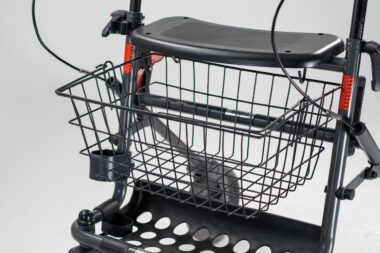

Maintaining Your Mobility Equipment for Longevity and Performance
Proper maintenance of your mobility equipment not only extends its lifespan but also improves its performance significantly. Regular cleaning is essential to prevent dirt and debris from causing damage or malfunctions. Inspect all components, including wheels and frames, for any visible signs of wear or damage. Lubricating moving parts correctly reduces friction and keeps everything functioning smoothly. Make a checklist of tasks to routinely perform, ensuring everything is kept in top shape. Additionally, consider keeping the equipment dry and stored in a suitable location when not in use. Exposure to moisture can lead to rust, affecting metal components adversely. Cleaning involves using appropriate solutions that do not harm the materials used in your equipment construction. Invest time in familiarizing yourself with the user manual, as it often contains specific maintenance instructions for your model. Regularly check the batteries if your mobility aid uses them, replacing them when necessary to ensure reliability. Maintaining a maintenance schedule ensures you attend to every aspect of care regularly, preventing neglect. Your commitment to care guarantees that your mobility equipment helps retain your independence wonderfully for years.
In addition to cleaning and lubrication, understanding the components of your mobility equipment is vital. Each part plays an essential role, and neglecting any can affect the overall function. For instance, examining the brakes regularly ensures safe operation when navigating slopes or uneven surfaces. If the brakes are worn out, replace them immediately. Check the tires for correct inflation and tread wear frequently, especially if you use the equipment outdoors. The condition of the tires affects traction and the comfort of your ride. Alternately, if it’s a seated device, inspect the seating area for tears and wear. Keeping upholstery clean can also prevent odors and maintain hygiene. Ensure you check the battery and charger routinely since electrical components are crucial for optimal mobility. Test the battery to see if it holds the charge properly and recharges effectively. Contact a professional if the electrical systems show problems like flickering lights or no response. Adjusting and repairing minor issues promptly can preempt more significant and costly repairs in the future. Ultimately, education on your equipment assists significantly in maintaining it properly, thus promoting both longevity and performance.
Regular Inspections
Conducting regular inspections on your mobility equipment is a cornerstone of its upkeep. Look over the frame for any cracks or corrosion that could indicate structural integrity issues. A broken frame can compromise safety, increasing the risk of accidents. Inspect the wheels for alignment issues, checking if they spin freely and maneuver properly. If there’s a hesitation or scrape, address it immediately. Bolts and screws must be tightened frequently as they tend to loosen over time due to vibration during usage. Use appropriate tools and refer to the user manual for guidance on the correct specification for tightening. Ensuring that all accessories, such as seat belts or armrests, function correctly is critical for user safety. If components are defective, consider either repairing or replacing them to ensure that operators remain safeguarded while using the equipment. Also, check any electronic functionalities like lights and signals as these are necessary for visibility and communication while on the road. Take notes during these inspections to track component status over time, identifying trends that might require more serious attention. A methodical approach to inspections prevents small problems from escalating, ensuring reliable performance for your mobility needs.
In addition to routine inspections, seeking professional help is often beneficial. While many maintenance tasks can be done independently, professional services provide expertise that enhances care for your mobility equipment. When a serious issue arises, such as battery failure or significant structural issues, experts can diagnose problems accurately. They may use specialized tools and techniques to resolve complications quickly and effectively, preventing further damages. Make a habit of scheduling annual check-ups with a qualified technician who specializes in mobility equipment. These appointments may uncover underlying issues not noticeable during regular inspections. They also often offer calibration services that ensure your equipment runs according to manufacturer standards. Discuss any concerns or observed issues during visits, as this input can be crucial for the technician. They can provide tailored advice for usage and care that fits your specific model. Investing in professional maintenance adds to the lifecycle and performance quality of your mobility aid, assuring that you’re making a wise decision for your health and wellbeing as time goes on. Consider this an essential financial investment toward sustaining operational efficiency.
Understanding Warranty and Support
Every mobility equipment comes with a warranty that specifies coverage for repairs and replacements. Understanding your warranty terms is vital as it can save you money when repairs are needed. Ensure that you register your equipment after purchase to activate your warranty for complete benefits. Read through the documentation to familiarize yourself with the stipulations concerning maintenance and care. Some warranties may require regular servicing by authorized personnel to remain valid, so keeping appointments with certified technicians is critical. If components need replacements, consult your warranty terms to verify if costs will be covered. Keep all receipts and records of maintenance and repairs, as these documents can assist in claiming warranty service if issues arise. Customer support channels are also available to answer queries regarding maintenance or equipment operation. Reach out to these hotlines for clarification on specifications and zones of support. They may also guide you through basic troubleshooting before arranging visits from technicians. Being well-versed in your equipment’s warranty helps you navigate issues without incurring avoidable expenses, which is crucial for financial management concerning your mobility needs.
Additionally, ensuring that your mobility equipment has proper storage conditions significantly impacts its longevity. Ideal storage locations should be dry, well-ventilated, and away from extreme temperatures. Humidity can lead to rust and deterioration of electrical components, significantly reducing both performance and lifespan. When storing the equipment, make sure to disassemble parts whenever possible as this can reduce wear particularly on tires and small joints. Some individuals may choose to cover their equipment with breathable materials to protect against dust accumulation without trapping moisture. Evaluating storage options also entails considering additional features like accessibility. It is essential that the mobility equipment is easy to retrieve whenever needed, ensuring usability without unnecessary inconvenience. Future usage can be negatively impacted if the equipment is difficult to access or requires excessive effort to transport. Use organization materials like hooks or shelves designed for mobility aids. You should also ensure that accessing the equipment does not require hazardous movements that could lead to injury. A well-maintained storage solution can improve your equipment’s longevity tremendously while maximizing convenience for everyday use.
Using Correct Accessories
Monitoring the accessories used alongside your mobility equipment is equally important. They serve functional roles that enhance the primary equipment and contribute to user safety and comfort. Ensure that all accessories used are compatible with your equipment model to promote seamless operation. For instance, accessories like detachable armrests and headrests should fit correctly; otherwise, they might cause discomfort or instability. Regularly check that all attachments are securely fastened during each use, as loose accessories can lead to accidents. Consider upgrading to high-quality accessories that provide added durability and better performance. If your mobility aid can take added smart accessories like GPS or lighting modules, consider implementing those for enhanced usability. Additionally, review any specialized equipment, such as ramps or storage bags, to ensure they meet the necessary standards. Improperly used accessories can lead to malfunctions that could endanger the user. Keeping all additional gear clean and well-maintained reinforces their effectiveness and maximizes their life span while guaranteeing a safe experience. Prioritizing the selection and maintenance of mobility equipment accessories ensures a comprehensive support system that enriches the user experience daily.
Ultimately, being proactive in maintenance can improve daily operations considerably. A well-maintained mobility device not only supports physical movement but also enhances overall quality of life. Individuals relying on mobility aids benefit greatly from having reliable and safe equipment. Certain factors play significant roles in ensuring continuous usability, such as regular cleaning and repairs. Do not postpone handle fixes, as neglecting minor faults can lead to significant professional involvement in the long term. Incorporate proper habits of use—this signifies being observant during operation and taking care not to misuse the mobility device. Enlist help for larger repairs or complex maintenance tasks as necessary, ensuring high safety standards are in place. Institutions and community outreach programs may offer workshops or information sessions focused on mobility aid care, and attending these can prove invaluable. Engaging with such community resources can empower users with knowledge to better care for their equipment and advocate for themselves effectively. Emphasizing alertness also assists in noting any changes in functionality, paving ways for timely maintenance. Wrapping the care routine with our issues’ communities not only enhance equipment efficiency but also foster a strong support network for individual mobility experiences.