
The Effect of Alcohol on Men’s Weight Loss Efforts
Weight loss can be a challenging journey for many men, and while there are various strategies to aid in this process, one factor often overlooked is alcohol consumption. Alcohol can significantly affect metabolism and fat burning, leading to frustrating results in weight loss efforts. Understanding how alcohol impacts weight loss can empower men to make educated choices about their diet. Beer, wine, and spirits all contain calories that can lead to caloric excess. When consumed regularly, these extra calories can sabotage any caloric deficit one might create through diet and exercise. Additionally, alcohol can stimulate appetite and lower inhibitions around food, causing a higher likelihood of overeating. For men looking to lose weight, moderation is key. Recognizing types of alcoholic beverages, the amount consumed, and their caloric value is imperative. Make informed decisions by reading labels or utilizing apps to track intake. Balancing social occasions with weight-loss commitments requires strategic planning. In essence, if consumed wisely, alcohol can coexist with weight loss goals without significantly hindering progress.
Alcohol and Caloric Intake
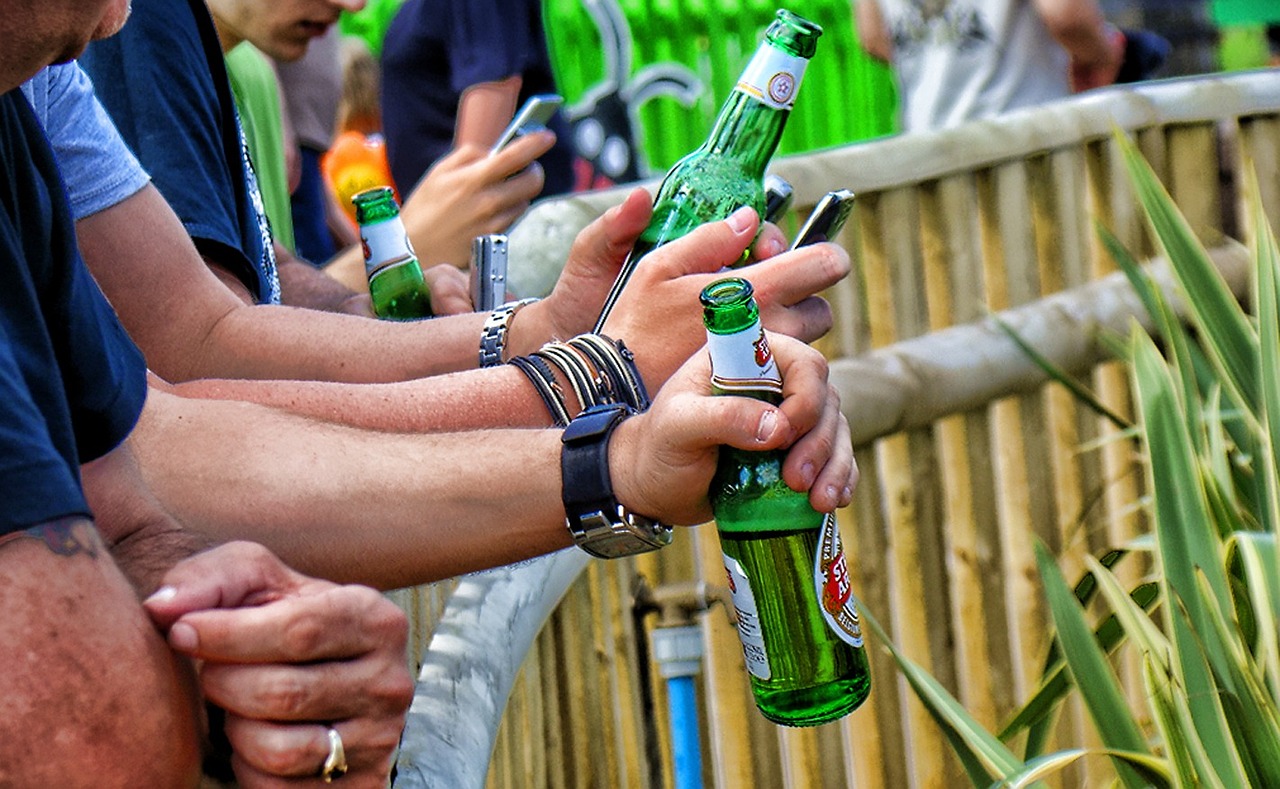
One of the primary concerns with alcoholic beverages lies in their caloric contribution. Men often underestimate how quickly these calories add up when drinking. For instance, a single beer can range from 150 to 300 calories, while some mixed drinks might exceed 400 calories per serving. Over a week of social drinking, these numbers escalate, dramatically affecting a man’s total caloric consumption. Furthermore, most alcoholic drinks don’t provide nutritional value, meaning they are empty calories that contribute to weight gain. Moreover, alcohol can alter a man’s metabolism, slowing down fat oxidation. This means that rather than using fat stores for energy, the body may prioritize burning off alcohol first, impeding weight loss efforts. For those committed to shedding pounds, it’s essential to prioritize low-calorie drink options such as light beers or spirits mixed with calorie-free mixers. Tracking caloric intake from alcohol can aid in fostering a sense of control and ultimately guide men towards more sustainable habits. In summary, awareness and moderation can effectively mitigate the negative effects of alcohol on weight loss.
Alcohol not only contains empty calories but also influences cravings and appetite. Research indicates that consumption can trigger increased hunger and a preference for high-calorie foods, creating a cycle of overeating that can hinder weight loss. This is especially true for men, who may be drawn to more calorically dense options late at night after drinking. Beyond the psychological effects, alcohol impacts hormone levels associated with appetite regulation, namely ghrelin and leptin. Ghrelin signals hunger while leptin signals fullness. Regular alcohol consumption may disrupt the balance between these hormones, leading to poor dietary choices. To mitigate these effects, men should consider strategies for handling cravings post-drinking events. Eating protein-rich or high-fiber foods pre-emptively can help stay satiated longer, reducing the temptation to indulge in unhealthy snacks. Additionally, staying hydrated is crucial while drinking, as thirst can often be mistaken for hunger. Planning nutritious meals around social events involving alcohol can fortify weight loss endeavors while still enjoying the benefits of socializing with friends.
The Role of Exercise
Exercise plays a crucial role in any weight loss regimen, especially for men. However, alcohol consumption can undermine the effectiveness of a workout. Despite the benefits of routine exercise, the presence of alcohol may reduce performance, impair recovery, and even lead to injury. When aiming to lose weight, it’s important to remember that the body requires adequate energy and nutrients to perform optimally. Dehydration from alcohol can contribute to fatigue, making it more difficult to maintain workouts or intensity. To offset these effects, men engaging in regular exercise need to maintain a balanced approach. Setting clear boundaries for alcohol consumption surrounding workouts can help. For example, reserving alcohol for celebratory occasions rather than regular events creates a healthier relationship with drinking. Additionally, men should strategically plan workout schedules around social events, ensuring adequate recovery time after drinking. Consolidating social time with physical activity, like sports or active gatherings, can also maintain fitness levels. Ultimately, finding a balance between exercising and enjoying drinks requires careful planning and self-awareness for optimal weight loss results.
Another aspect to consider when weighing alcohol’s impact on weight loss is the choice of beverage. Cocktails, for example, can be particularly detrimental due to added sugar and mixers, resulting in significantly higher caloric counts. Most classic cocktails combine spirits with sugary mixers, elevating calorie levels beyond what may be anticipated. Opting for drinks that are lower in sugar and calories is key for men aiming to maintain progress in their weight loss journey. Straight spirits, light beers, or wine selected without sugary additions can be more favorable alternatives. Additionally, reducing alcohol consumption during regular weeks while saving indulgent choices for special occasions helps alleviate weight gain. Educating oneself on drink preparation methods can empower men to select wisely and ensure their weight loss commitments remain intact. Making healthier beverage choices not only fosters weight maintenance but also promotes a greater sense of overall wellness. It’s essential to promote conscious drinking habits that align with individual health and fitness goals while still allowing for enjoyable experiences.
Time Management in Weight Loss Efforts
Time management emerges as a vital factor when integrating alcohol with weight loss goals. Social events often revolve around drinking, potentially overshadowing dietary and fitness commitments. Defining clear objectives related to weight management helps navigate social situations more effectively. For instance, planning food intake ahead of an event can create balance. Consuming a nutritious snack or meal prior can reduce the likelihood of excessive drinking or poor food choices later. Moreover, establishing a routine that incorporates workout sessions before social gatherings can enhance confidence and adherence to fitness goals. For many men, aligning social activities with healthy alternatives can also prove effective. Instead of bar hangouts, consider engaging in activities such as outdoor adventures or group fitness classes. These choices create camaraderie without centering solely on alcohol consumption. To effectively manage time, setting weights or meals for post-drinking recovery can optimize results. Overall, a mindful approach to integrating alcohol with structured time management strategies facilitates weight loss success and promotes healthier lifestyles.
Staying committed to a weight loss journey also includes recognizing the social aspects of drinking alcohol. For many men, drinking is often tied to gatherings, celebrations, and socialization. Therefore, complete abstinence may not be a realistic expectation for everyone. The challenge lies in striking a balance between enjoying social experiences and adhering to weight loss goals. Establishing clear boundaries and limits around consumption can foster healthier habits without feeling overly restrictive. Open conversations with friends about your goals can lead to a supportive social environment. Friends may be more likely to choose activities that promote health if they understand your preferences. Additionally, considering alcohol-free events, like game nights or movie marathons, allows for connection without the temptation of drinking. Social support is paramount in achieving long-term weight loss success. By communicating openly, men can strengthen their networks while working diligently towards their goals. Ultimately, fostering an understanding among social circles enables a healthier relationship with alcohol and weight loss.
In conclusion, navigating the complexities of alcohol consumption during a weight loss journey necessitates awareness, moderation, and strategic planning. As outlined, alcohol can present numerous challenges for men attempting to lose weight. However, by making informed choices about beverage types, understanding caloric intake, and prioritizing exercise, a harmonious balance can be struck. Recognizing the triggers for cravings and addressing them proactively will further aid in maintaining weight loss goals. Social support and time management strategies will bolster these efforts, creating a cohesive plan for successful weight loss. Rather than a total ban on alcohol, cultivating a mindset focused on balance and moderation can yield better long-term results. Men can still enjoy social events while actively working towards their fitness goals. The interplay between enjoying life and achieving wellness is critical in creating sustainable habits. Celebrate each small achievement without losing sight of the broader goals. When approached thoughtfully, the influence of alcohol on men’s weight loss journeys can be managed, allowing for enjoyment without sacrificing commitment.