
Tips for Maintaining Balance and Stability in a Home Workout
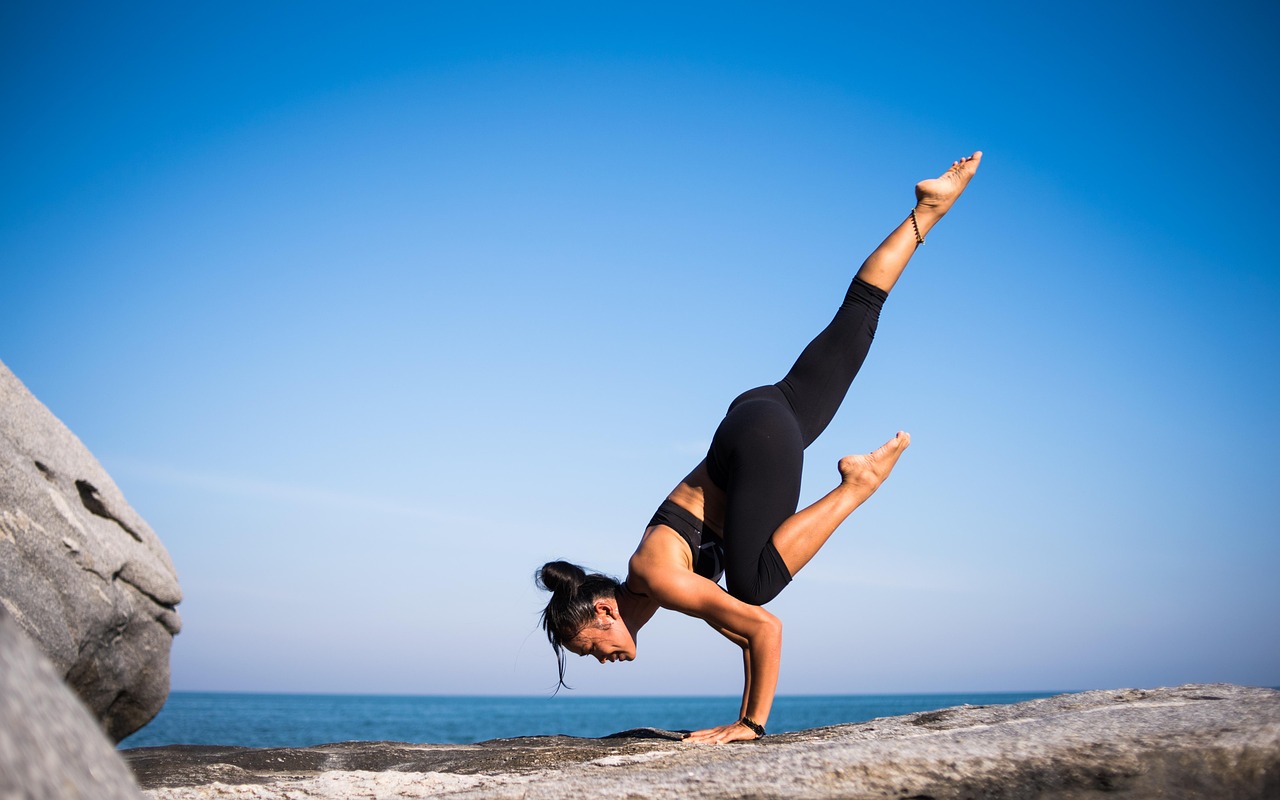
Improving balance and stability at home requires commitment and specific exercises that target core muscles. These workouts can enhance posture, reduce the risk of injury, and improve overall fitness. One effective method is to incorporate yoga and Pilates, which emphasize control and stability through a variety of movements. Begin with foundational poses like the Tree Pose or Warrior III, which challenge your balance. Additionally, try incorporating stability balls into your routine for an added challenge. This can enhance muscular coordination and activate the abdominal muscles, creating a solid foundation for movements. It is essential to focus on your breath, as it can enhance concentration, making your practice more efficient. Furthermore, engaging in simple leg lifts combined with balance exercises can encourage stability while strengthening lower body muscles. Make sure to practice these exercises at least three times a week for the best results. Stay consistent and adjust your routine as necessary based on your progression. Balance exercises can not only make your workouts more engaging but also contribute significantly to your overall well-being and fitness journey.
Another effective way to build balance is through single-leg exercises. These movements challenge your stability and engage your core in ways that bilateral exercises do not. Start with simple drills like single-leg stands, where you balance on one foot while holding onto a wall or chair for support. As you become more comfortable, try taking away support and closing your eyes to further challenge your balance. Incorporate lunges; standing on one leg and extending the other back not only builds strength but also improves your proprioception. You could also add dynamic balance workouts by incorporating movement. For instance, perform walking lunges or lateral leg raises while integrating small hand weights, as they can increase difficulty and focus on coordination. To keep these exercises effective, aim for higher reps or extend the duration of balance holds as you gain stability. Consider tracking your workouts to monitor progress regularly. It’s essential to prioritize safety; start with what feels comfortable to you and gradually increase intensity. With dedication, you can expect noticeable improvements in your balance and stability, contributing to better overall fitness.
Warm-Up and Cool Down
Never overlook the importance of a proper warm-up before engaging in any balance training. Warm-ups prepare your body for exercise, reduce the risk of injury, and improve overall performance. Dynamic stretching offers an excellent way to prepare your body for the workload ahead; incorporate movements like arm circles and leg swings to get your blood flowing. Another beneficial warm-up exercise is ankle circles, which enhance your movements by increasing flexibility in the joints. After your workout, a cool down is equally crucial; this helps your body recover and maintain muscle flexibility. Implement gentle stretching focused on your hamstrings, calves, and lower back. These areas often become tight during balance exercises, so it’s vital to release that tension. Techniques like deep breathing while stretching can further relax your body, promoting better recovery. Incorporating both warm-up and cool down routines ensures a safe and beneficial workout experience. Finally, aim to include these practices consistently for the best results. This balance between warm-ups, workout, and cooling down leads to improved stability and ensures that you remain injury-free during your balance training sessions.
Incorporating functional movements into your home workouts can significantly enhance your balance and stability. Functional exercises mimic everyday activities, improving your overall strength and body control. Consider adding movements like squats, kettlebell swings, or deadlifts as they engage multiple muscle groups while challenging your balance. Pay attention to your form; maintain proper alignment to prevent injuries. Begin with lighter weights or bodyweight exercises to master the mechanics before progressing to heavier loads. Engage your core throughout these workouts, as a strong core acts as a stabilizer during various movements. Track your workout routines and variations to avoid plateauing and maintain engagement. Be mindful of your surroundings; exercise in an area where you have enough room to move freely and safely. Additionally, consider exercising on different surfaces, such as a mat or grass, which will challenge your stability further. Each of these factors will contribute positively to your overall balance and core development. With time and persistence, you will see significant improvements, making daily activities easier and more efficient while enhancing your fitness level. Remember to listen to your body and modify exercises in line with your personal capabilities.
Using Props to Enhance Balance
Using props like resistance bands, yoga blocks, or balance boards can effectively enhance balance training. These tools help challenge your stability and improve coordination throughout your workouts. Balance boards, especially, require you to engage your core muscles actively while attempting to maintain stability. Start with basic movements, like standing in a stationary position on the board, then progress to more dynamic activities. Resistance bands can be utilized to enhance strength while performing balance exercises, providing different levels of tension for your workouts. Explore movements like lateral band walks; they engage your hip and leg muscles which are essential for stability. Yoga blocks are excellent for providing additional support during more complex poses, as they help maintain proper alignment and balance. At your own level of fitness and experience, embrace these props to make your workouts more dynamic and enjoyable. Gradually increase the difficulty by incorporating more challenging movements as your balance improves. Always remember to engage your core and practice mindful breathing, as these techniques will help improve focus during your sessions.
Consistency is paramount for any effective balance-training routine. Aim to incorporate balance exercises at least two or three times a week. As you practice, you will notice an increase in your strength, coordination, and confidence in your movements. Setting specific goals can also be beneficial; for example, commit to mastering a particular exercise within a designated timeframe. This creates a sense of accountability, enhancing your motivation to stay dedicated. Additionally, consider participating in online classes or following YouTube channels focused on balance and stability; these resources can provide inspiration and new ideas for your home workout routine. Tracking progress is equally essential; keep a journal to note new milestones or changes in performance. When you can see your improvements, it motivates continued effort. Remember to adjust your routines based on your evolving capabilities and interests. Explore varying formats, such as circuit training or high-intensity interval training, to keep your workouts fresh and engaging. Consistency paired with variety allows you to build a robust foundation for maintaining balance and stability while enjoying your home workout experience.
Prioritize Safety
Safety should always be your priority when practicing balance and stability workouts at home. Ensure your workout area is clear of obstacles and hazards that may lead to injury. Consider using a yoga mat or a soft surface to provide extra cushioning during exercises. It’s also advisable to wear appropriate footwear that offers support and traction. Always focus on proper form, as poor techniques can increase injury risk. If you feel unsteady, pause the exercise and stabilize before proceeding. Additionally, consider exercising near a wall or sturdy furniture to hold onto if necessary. Hydration is a critical element that must not be neglected; ensure you’re drinking plenty of water before, during, and after your workouts. This will help maintain energy levels and prevent dizziness. As with any workout routine, listen to your body and rest when needed; don’t push through pain. Engaging a professional trainer or attending classes, even virtually, can provide insights into correct techniques, enhancing safety during your practice. By maintaining safety, you enhance your overall workout experience, making it more enjoyable and effective in improving balance and stability.
In conclusion, including balance and stability exercises into your home workout routine provides numerous benefits for both body and mind. Not only do they enhance physical strength and coordination, but they also contribute to mental clarity and focus. To maintain progress, always stay committed and adjust your routines as necessary. Explore dynamic movements that challenge your abilities and use props to add variety. Engage in a balanced routine, incorporating warm-ups, workouts, and cool downs for optimal results while staying safe. Celebrate small achievements along the way; recognizing progress can boost morale and motivation. The journey to improving balance and stability may have its challenges, but the rewards are substantial. You will notice better posture, enhanced athletic performance, and a decreased risk of injury as you grow stronger and more coordinated. Share your journey with friends and family, encouraging them to join in. As you embrace these workouts into your lifestyle, you will also promote a greater sense of overall wellness. Remember, every small step counts, and over time, these efforts will culminate in considerable growth, leading you toward a healthier, more balanced life.