
Data-Driven Adaptive Fitness: Everything You Need to Know
Adaptive fitness is an evolving field that emphasizes inclusivity for everyone, including those with disabilities. These programs are designed to accommodate the unique needs of participants, allowing them to engage in fitness activities tailored to their capabilities. The importance of tracking progress cannot be overstated, as it provides both participants and trainers with valuable insights. By utilizing various tools and methodologies, one can effectively monitor achievements, set goals, and adjust training plans. Adaptive fitness programs often focus on physical activities that enhance strength, flexibility, and endurance, while ensuring safety. Data-driven approaches not only help in assessing physical health but also in enhancing mental well-being. Adaptive fitness can lead to significant improvements in quality of life, fostering social interaction and personal growth. Various forms of assessments, including fitness tests and subjective well-being surveys, play a crucial role in this process. By integrating technology, such as fitness trackers, individuals can maintain motivation and accountability. This integration generates data that can inform training strategies, ensuring a personalized and sustainable fitness journey for individuals with disabilities.
Importance of Tracking Progress
Tracking progress in adaptive fitness involves collecting data that reflects individual improvements over time. This data can include metrics such as strength gains, mobility enhancements, and increased endurance levels. By gathering and analyzing these statistics, fitness trainers can offer tailored programs that address specific needs. For instance, if a particular exercise is yielding minimal progress, trainers can quickly adapt the regimen to ensure better outcomes. Moreover, providing feedback through this data inspires participants to stay dedicated to their goals. Regular assessments of progress can boost motivation and self-esteem, vital elements in a fitness journey. Individuals should celebrate their successes, no matter how minor, and tracking enables a clearer picture of one’s achievements. Beyond numbers, monitoring progress fosters a sense of community among participants, as they share experiences and methodologies. This collective approach strengthens motivation and creates deeper connections. Various technologies exist to assist in the process, including fitness applications that record data seamlessly. As a result, both trainers and participants are empowered to make informed decisions, enhancing the overall effectiveness of adaptive fitness programs.
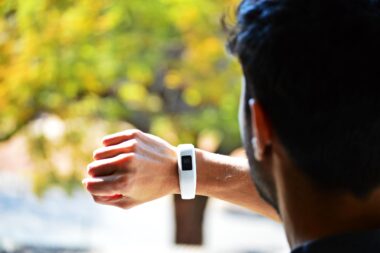
There are diverse methodologies for tracking progress in adaptive fitness, each serving unique purposes. Common techniques include using wearable fitness trackers, which provide real-time statistics on heart rate, calories burned, and distance traveled. These devices enhance motivation, as users can visualize their progress daily. Another method involves assessments and progress reports, typically conducted over defined intervals to measure improvements accurately. For instance, strength tests and functional movement screenings can pinpoint areas that require focus. Additionally, qualitative feedback, such as participant reflections and experiences, offers valuable insights. These perspectives often highlight emotional and psychological growth, aspects difficult to quantify numerically but essential for holistic progress assessment. Integrating social media or community engagement can also enhance tracking methods. Encouraging participants to share their achievements on platforms can foster accountability and support. Furthermore, adaptive gyms and organizations often conduct workshops that emphasize the significance of measuring progress within the broader fitness narrative. By combining quantitative and qualitative data, a comprehensive picture emerges. This approach enables both trainers and participants to collaboratively refine goals, ensuring a more inclusive and effective adaptive fitness journey.
Technology in Adaptive Fitness
Advancements in technology significantly benefit tracking progress in adaptive fitness. Devices such as smartphones and fitness wearables have transformed how individuals interact with their fitness goals. Mobile applications can log activities, set reminders, and even provide exercise modifications tailored to the user’s needs. This ease of access ensures that individuals stay focused on their objectives. Furthermore, adaptive fitness technologies often include instructional videos or virtual coaching, which makes it easier for participants to perform exercises correctly. Virtual reality also emerges as a promising avenue for immersive training experiences. These innovations can keep users engaged, even while addressing their unique requirements. Additionally, online communities and forums provide platforms for support and guidance. Participants can share experiences, insights, and motivation, enhancing the overall fitness atmosphere. Regular updates to technology mean that fitness tools are continuously improving, ensuring they meet user requirements effectively. Regular software updates ensure that these applications stay relevant and beneficial. Such integration of innovative solutions creates a culture of progress and accountability within adaptive fitness programs, ultimately benefiting those with disabilities.
Setting realistic goals plays a critical role in adaptive fitness progress tracking. It is essential to establish both short-term and long-term goals that individuals can aim towards. Short-term goals motivate participants by offering immediate achievements, and practices like SMART criteria help in this process. As individuals celebrate small successes, their confidence grows, paving the way for more challenging targets. Regular check-ins with fitness trainers help maintain this focus and encourage accountability. Trainers often adjust goals based on data, ensuring they remain achievable yet challenging. This iterative process can inspire ongoing commitment and improvement, as individuals witness their evolution firsthand. Additionally, understanding that setbacks are part of progress is vital. Life can present unforeseen obstacles, but maintaining a resilient mindset will support long-term success in fitness endeavors. Documentation of challenges and the associated responses allows individuals to learn from their experiences. It’s essential to maintain a positive mindset throughout this journey, using progress tracking as a motivational tool. Engaging in regular reflection on achievement fosters personal growth, self-awareness, and ultimately aids in setting new, progressive athletic goals.
Overcoming Challenges in Adaptive Fitness
Individuals may face obstacles while tracking progress in adaptive fitness; however, recognizing these challenges is the first step toward addressing them. For instance, accessibility issues can limit participation in certain activities, creating barriers to fitness engagement. To overcome these challenges, adaptive fitness programs must prioritize inclusivity. This inclusivity can take the form of modified equipment or supportive transportation options for participants. Additionally, fostering an environment of understanding can encourage individuals to share their difficulties without fear of judgment. Another challenge often encountered is insufficient motivation due to various life factors. Fitness trainers can play a crucial role in turning this around by providing consistent support, encouragement, and resources tailored to individual needs. Establishing buddy systems or group activities can create camaraderie, boosting motivation levels. Finally, misconceptions about disabilities in fitness may also present challenges. It is important to foster awareness and educate the community about adaptive fitness opportunities. By breaking stereotypes and promoting success stories, it is possible to create a more inclusive mindset that values every individual’s journey.
Adaptive fitness is paving new paths for individuals with disabilities, ensuring equal opportunities in health and well-being. By emphasizing data-driven practices, adaptive fitness can continually uplift and enhance participants’ lives. The importance of collaboration between trainers and participants cannot be overstated; it creates a supportive environment crucial for sustainable progress. Community involvement further advances this movement, ensuring that adaptive fitness becomes an accessible option for all. Engaging in outreach initiatives can raise public awareness and encourage participation from a wider audience. Emphasizing personal stories of triumph can personalize the adaptive fitness narrative. As more individuals share their experiences, the reputation of adaptive fitness grows, inspiring others to embark on their journeys. Ultimately, tracking progress within adaptive fitness serves as a vital tool in fostering empowerment, motivation, and resilience among participants. By harnessing technology and individual strengths, every journey can illustrate the transformative power of fitness. The ongoing evolution of adaptive fitness will consistently reveal new possibilities for those with disabilities, cementing its role in promoting healthier lifestyles. As we continue to embrace innovation, the future of adaptive fitness looks promising, ensuring everyone can lead an active and fulfilling life.
The Future of Adaptive Fitness
The future of adaptive fitness looks bright as research and advancements continue to unfold. New methodologies are being established, which will support the tracking of progress more accurately while addressing participants’ unique challenges. Continued investment in technology and adaptive programs ensures that everyone can engage enthusiastically in fitness journeys. The role of community organizations cannot be underestimated, as their outreach initiatives will contribute significantly to public awareness. As more individuals become aware of the benefits of adaptive fitness, participation is expected to increase. Government policies and funding dedicated to inclusivity will also be pivotal in shaping the landscape. Continued collaboration across sectors will nurture an environment where adaptive fitness is not only a niche but a mainstream offering. Furthermore, advancements in training techniques and equipment design will evolve, allowing broader accessibility. Those committed to adaptive fitness must also prioritize psychological support alongside physical training. By acknowledging the importance of mental resilience, adaptive fitness programs can optimize benefits for participants. In closing, as adaptive fitness continues to adapt and evolve, the focus on tracking progress will be fundamental in driving success and ensuring inclusive access to fitness for all.