
Hydration Tips for Asthma Patients Engaged in Exercise
Maintaining proper hydration is vital for asthma patients who are engaged in exercise. Dehydration can trigger asthma symptoms, making it crucial to drink adequate fluids before, during, and after workouts. When exercising, aim to consume water consistently. Plan your hydration schedule, especially for prolonged activities. When you sweat, you lose essential fluids and electrolytes, which can affect your breathing and performance. Drinking enough water helps maintain airway moisture, preventing irritation and possibly reducing the risk of an asthma attack. Also, consider light electrolyte drinks for long-duration exercises, as they can aid in replenishing lost minerals. You can enhance hydration by opting for water-rich foods, such as fruits and vegetables, ensuring your body remains hydrated throughout the day. Identify your specific hydration needs and adjust based on your level of physical activity. Regularly monitoring your hydration status will help you stay healthy and active. Always consult with your healthcare provider to set specific hydration goals tailored to your asthma management plan and exercise regimen.
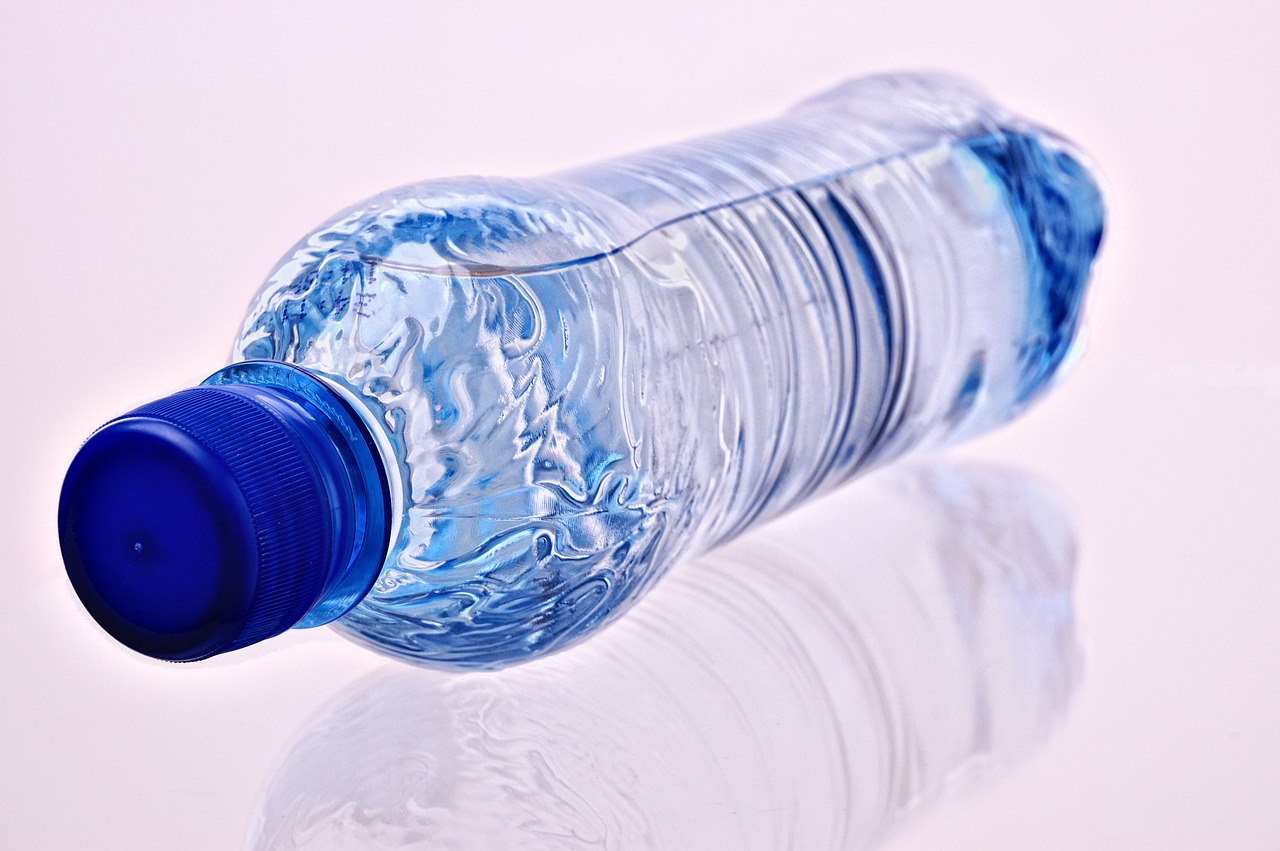
Understanding how hydration impacts asthma is essential for patients. During physical activity, the breathing rate increases, leading to higher moisture loss from the airways. This loss can aggravate asthma symptoms if hydration is inadequate. It is important to drink water regularly during exercise because this will maintain optimal lung function and reduce asthma flare-ups. An effective way of ensuring hydration is by carrying a water bottle during workouts. Setting reminders can also aid in regular water intake. Additionally, pay attention to signs of dehydration, which can include thirst, dry mouth, or fatigue. Adjust your drinking habit based on these symptoms. If you find your asthma symptoms worsening, assess your hydration status promptly. Taking small sips of water can be more beneficial than large gulps, which may cause discomfort during high-tempo exercises. Furthermore, individuals should experiment with different hydration methods, such as drinking before feeling thirsty, to ensure they reach adequate hydration levels. Finally, it’s always best to listen to one’s body and recognize when it needs hydration to function optimally during exercise.
Pre-Exercise Hydration
Preparing your body with adequate hydration before exercising can significantly impact your performance and asthma management. Start hydrating at least a few hours before engaging in physical activity. Aim for approximately 16 to 20 ounces of water two hours prior to starting your workout. If the temperature is hot or humid, increase your fluid intake to counteract the effects of heat. Consume additional fluids within 30 minutes before exercise, typically around 8 to 10 ounces. This will help maintain adequate hydration levels during your workout, which is crucial for individuals with asthma. Proper preparation can help prevent early onset of fatigue and reduce complications related to asthma. Furthermore, ensure the environment is conducive for asthma management, which includes avoiding allergens or irritants, such as pollution or pollen, which can be exacerbated by poor hydration. When the airways are well-hydrated, the likelihood of constricted airways decreases, facilitating better airflow. Implementing these pre-exercise hydration strategies may improve your overall well-being and exercise enjoyment. Don’t hesitate to adjust these recommendations as needed to find what works best for your unique situation.
During exercise, it is essential to keep track of your fluid intake for effective asthma management. While exercising, aim to consume 7 to 10 ounces of fluid every 10 to 20 minutes, depending on the intensity of your workout. This requirement may vary between individuals, but staying regularly hydrated will help diminish symptoms that can arise from dehydration. For prolonged or intense sessions, consider incorporating electrolyte-infused beverages to balance electrolytes lost through sweat. Keep a watchful eye on your hydration levels, and remember that thirst shouldn’t be your only indicator. If you notice fatigue or an increased heart rate, this might also signal dehydration. Being proactive about hydration significantly aids in optimizing lung function and exercise performance, reducing the risk of exercise-induced asthma episodes. After hydration, focus on breathing techniques that facilitate seamless airflow and ensure better oxygen intake during physical activity. Lastly, it is crucial to listen to your body and adapt hydration habits according to personal needs. Maintain a balance in your fluid intake pattern to support your overall health while engaging in your preferred physical activities.
Post-Exercise Hydration
Post-exercise hydration is equally important for asthma patients involved in physical activities. After completing your workout, it’s essential to replenish lost fluids to promote recovery and maintain overall well-being. Aim to drink about 20 to 24 ounces of water for every pound lost during exercise. To gauge this, weigh yourself before and after your workout to determine your water loss, which will assist you in planning future hydration strategies. Additionally, incorporate fluid sources that also provide electrolytes. This can enhance recovery and help restore balance in the body’s fluid levels. Including light snacks that are high in water content, like fruits or smoothies, can contribute to post-exercise hydration efforts. Avoid excessive consumption of caffeinated or alcoholic beverages, as they can contribute to dehydration. Focus on keeping your airway moist post-exercise to prevent asthma triggers. This ensures your lungs are cared for, diminishing the risk of ongoing bronchial irritation. Hydrating adequately after exercising can improve recovery time. Moreover, proper hydration supports muscle recovery and maintains a balanced energy level for your next workout.
In addition to water intake, consider the role of nutrition in managing hydration levels for asthma patients. Incorporating hydrating foods into your daily diet can enhance your overall hydration strategy. Foods such as cucumbers, watermelon, and oranges are excellent choices. These foods not only provide hydration but also offer essential vitamins and minerals beneficial for health. For asthma patients, omega-3 fatty acids, found in fish like salmon and in flaxseed, may help reduce inflammation in the airways, enhancing overall lung health. Combine these nutritional strategies with a consistent hydration routine to achieve better control of asthma symptoms. It’s also worth noting that stress management can aid in respiratory health. Practice relaxation methods, such as deep breathing or mindfulness, which may assist in managing asthma symptoms and stress levels during exercise. Carrying a variety of hydrating foods to workouts can also help maintain energy levels while exercising. Eating meals rich in nutrients would provide your body with the necessary building blocks for optimal function and lung health, enhancing overall exercise performance.
Consultation with Health Professionals
Lastly, always consider the importance of consulting with healthcare providers for personalized hydration and exercise strategies. Asthma patients should work closely with their medical team to adapt hydration protocols effectively to their unique needs. Before implementing significant changes to hydration or exercise regimens, it’s important to seek professional advice. These professionals can provide tailored recommendations considering individual health status, types, and levels of exercise, and personal triggers related to asthma. Adhering to their guidance ensures that you’re on a safe course towards managing exercise effectively with asthma. Additionally, healthcare providers may recommend specific hydration plans during particular weather conditions, heat, or humidity, ensuring optimal health and wellbeing. Utilize your healthcare team as a resource in tracking your progress and make necessary adjustments when you experience changes in asthma symptoms or exercise capability. Strengthening this relationship improves your approach to asthma management while exercising. Remember, a proactive approach to hydration will not only improve your exercise routine but will also foster an overall healthier lifestyle, supporting both asthma management and fitness goals.
Utilizing these hydration strategies effectively can significantly contribute to your overall health and performance as an asthma patient during exercise. Understanding and implementing proper hydration techniques can prevent the triggering of asthma symptoms. Maintain an organized hydration plan that incorporates sufficient fluids and nutrient-rich foods. Continuous education in this area, along with proactive management, can enhance your exercise experiences. Aim to develop healthy habits that promote regular hydration throughout the day. Making these lifestyle changes may not only lead to more enjoyable exercise sessions but also contribute positively toward your manageability of asthma. As you implement these methods, you may notice improved lung function, better overall health, and greater enjoyment of physical activities. Recognizing the relationship between hydration and asthma will empower you in making informed decisions about your well-being. Prioritize your health, experiment, and find what works best for you in maximizing performance and managing asthma effectively. Seize this opportunity to enhance not only your exercise routine but your life as a whole.