
Effective Warm-Up and Cool-Down Routines at Home
Warming up is crucial for preventing injury and promoting better performance during home workouts. Before engaging in any exercise, specific lengthening and movement activities should be completed. These will increase blood flow and gradually raise your heart rate. Start with 5 to 10 minutes of overall body movements. Consider brisk walking or light jogging in place to initiate your warm-up phase. Dynamic stretches like arm circles, leg swings, and torso twists can further enhance flexibility before your workout. Ensure you incorporate these routines to engage different muscle groups. Research shows that warming up effectively can improve athletic performance. Following these practices at home makes it simple for you to prepare your body. Always remember, it shouldn’t be static stretching, as that can lead to decreased strength performance. Focus on fluid, controlled motions that mimic the movements in your workout. This should prepare your muscles and joints. By committing to a detailed warm-up routine, you can enhance your physical activity, optimize oxygen delivery to the muscles, and overall pave the way for a successful and injury-free workout session.
In addition to your warm-up, a structured cool-down routine is essential. After completing your workouts, dedicate some time to gradually lower your heart rate and return your body to its resting state. This phase is often overlooked but plays a vital role in recovery. Consider including static stretches that specifically target the muscles utilized during your workout. Reflect on the following elements while cooling down: 1) Reduce Intensity: Gradually decrease your workout intensity over 5 to 10 minutes. 2) Stretching: Follow with 10-15 minutes of light stretches focusing on major muscle groups. 3) Deep Breathing: Incorporate deep diaphragmatic breathing to facilitate relaxation. Not only does this enhance flexibility, but it also aids in decreasing muscle soreness. The overall importance of a cool-down lies in promoting muscle recovery and ensuring that your body transitions back to a state of rest progressively. Implement these tips to maximize the benefits of your fitness routine at home. By establishing a warm-up and cool-down routine, you not only take care of your body but also improve your workout effectiveness significantly.
Benefits of Warming Up
Engaging in a warm-up routine before workouts provides numerous benefits for your body. To optimize performance, consider upping your workout game by integrating warm-ups effectively. First, they prepare your cardiovascular system by incrementally elevating your heart rate. This helps facilitate increased blood flow to your muscles, enhancing nutrient and oxygen delivery. Second, warming up increases muscle elasticity, which significantly decreases the risk of strains. With the right warm-up movements, joints also lubricate more effectively, allowing for smoother motion. Additionally, mentally, warming up prepares you for the upcoming workout, boosting focus and readiness. Emphasizing dynamic movements helps bring your body into an active state, making the transition to your main workout smoother. You may notice improved flexibility, agility, and overall performance during the exercise itself. Furthermore, exploring various warm-up routines keeps your sessions interesting and varied. You can experiment with jumping jacks, high knees, or lunges to ensure all muscle groups engage harmoniously. Remember, a proper warm-up isn’t just preparation; it’s an integral part of your fitness journey that enhances results over time, significantly benefiting your overall training.
Just as warming up is essential, implementing cooling down routines should never be neglected. After a considerable workout, your heart rate and breathing patterns require a gradual return to normalcy. Thus, incorporating a balanced cool-down routine is vital. As you cool down, allow your body to transition smoothly by engaging in slower-paced activities, such as walking around your home or slow cycling. When you finish exercising, indulge in gentle stretches focusing mainly on the muscles used during your workout. These may include glute stretches, quadriceps, and hamstrings, among others. The purpose of this practice is two-fold: on one hand, it actively prevents muscle stiffness and soreness post-exercise. On the other hand, it supports optimal flexibility and retains muscle elasticity. You encourage lactic acid removal via these stretches, which reduces sharp post-workout pain levels. Make sure to hold each stretch for at least 15-30 seconds, allowing your muscles sufficient time to recover. A dedicated cooldown routine not only contributes to quicker recovery but also prepares you for future sessions more efficiently, fostering longevity in your fitness regimen.
Quick Warm-Up Exercises
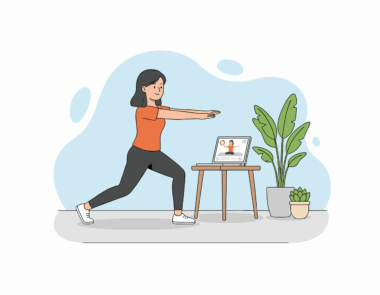
To maximize the effectiveness of your warm-up, consider including several key exercises designed to engage various muscle groups. Start with simple movements that elevate your heart rate and stimulate the body. High Knees: While running in place, elevate your knees towards your chest. Arm Circles: Stand and extend your arms out to the side, moving them in circular motions. Leg Swings: Gently swing one leg back and forth while standing on the opposite leg. These exercises not only provide warmth but also enhance mobility and flexibility. Dynamic lunges are another excellent option; step forward into a lunge while keeping the opposite leg straight behind you to maximize range of motion. Butt kicks, where you quickly kick your heels towards your glutes while jogging, further enhance cardiovascular warm-up. Skipping or side-to-side shuffles can introduce lateral movement and help engage other muscle groups. To effectively take your warm-ups next level, focus on controlled movements, paying attention to body alignment. Gradually increase the intensity and duration of these exercises in every session to prepare thoroughly for workouts while preventing injuries.
As you embark on crafting effective cool-down routines, remember that consistency is key. Your cool-down should become a fundamental post-workout habit. After finishing your physical workout, aim to spend a minimum of 5-10 minutes performing your cooldown regimen. Begin with gentle walking to lower the heart rate gradually. Following that, focus on stretching, targeting areas that may hold tension. Make sure to include stretches for your back, hips, shoulders, and thighs, emphasizing relaxing each muscle group. Incorporate relaxation techniques during this phase, such as focusing on your breath. Explore various deep breathing techniques that can ease stress while physically calming your body after exertion. Consider adding mindfulness such as visualizing letting go of tension. Engaging in this mental practice can strengthen the mind-body connection. By continuously implementing a structured cool-down, you enhance recovery and overall muscle recovery while reducing muscle soreness. Don’t overlook this essential component; it’s just as important for your fitness progress as your workout sessions in the comfort of your home.
Conclusion on Importance
In conclusion, establishing effective warm-up and cool-down routines at home is non-negotiable for a safe and productive workout experience. Prioritize warming up to adequately prepare your body, preventing potential injuries. As you enhance your performance through proper warm-up techniques, appreciate the importance of cooling down and allowing your body to recover efficiently. Consistency is paramount; embedding these routines into your fitness regimen can significantly improve your overall workout regime. Additionally, take the time to listen to your body and adjust the intensity of your routines based on your fitness level. Everyone’s body responds differently to exercises, so ensure you maintain tenderness toward those signals. Each of your sessions should be focused on allowing your body to move dynamically through warm-ups and recover just as diligently through careful cool-downs. Not only will you enhance your physical output with attention to these details, but you’ll also foster a relationship with your body that encourages longevity and overall well-being. Embrace these essential practices to transform your home workouts and enhance your fitness journey, paving the way for a healthier and more robust lifestyle.
Don’t forget, it’s also important to hydrate before, during, and after your workouts. Staying hydrated supports muscle function and recovery while enhancing your overall performance. Drinking water regularly contributes to maintaining high energy levels and reducing fatigue. Thus, ensure you have a strategy in place to keep yourself well-hydrated at home, particularly if you’re engaging in sweat-inducing workouts. Pairing your routines with adequate nutrition will facilitate optimal recovery and energy replenishment for subsequent sessions. Focus on incorporating wholesome foods that support muscle repair, such as lean proteins and fibrous vegetables, especially after your workouts. Healthy snacks during the day will also help you maintain consistent energy levels! Regular movement, balanced nutrition, and dedicated warm-up and cool-down periods form the foundation of an effective home workout routine. By thoughtfully integrating these elements into your fitness practice, you set yourself up for sustainable progress, both physically and mentally, along your fitness journey. So get started, implement warm-ups and cool-downs with discipline, and recognize how the small changes you make yield considerable long-term benefits!