
Noise Cancelling Solutions for Athletes Training in Noisy Environments
Noise pollution is a significant concern for athletes pursuing training in urban or densely populated areas. The distractions presented by loud environments can hinder focus and performance, making it vital to have solutions that mitigate these challenges. Athletes may experience reduced concentration, increased stress levels, or fatigue due to incessant noise. The detrimental impacts of noise can affect physical and mental readiness during workouts or competitions. Therefore, effective noise-cancelling strategies are essential for maximizing effectiveness in training routines. Adopting noise-cancelling techniques can help athletes maintain their desired performance standards while also ensuring that psychological well-being is preserved. There are several methods to address the issue, ranging from technology-driven solutions to more natural approaches. Additionally, the insights gathered from this research can provide valuable guidance. Athletes should choose solutions that align with their training style and personal preferences, as this customization allows for greater achievement in their fitness goals. Maintaining an auditory balance during training is pivotal for long-term success. Investing time in exploring these noise reduction options is worth the effort for aspiring champions and dedicated fitness enthusiasts alike.
Types of Noise Cancelling Solutions
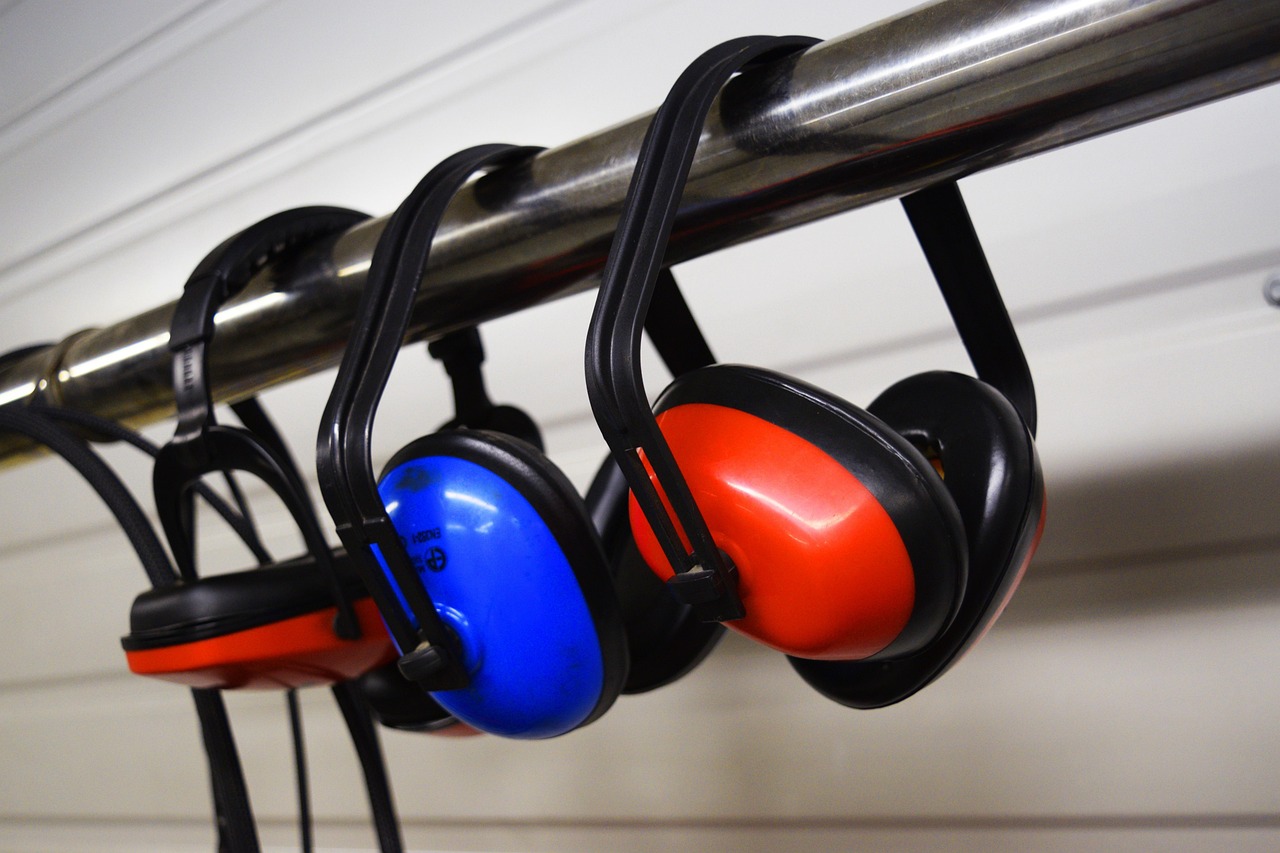
Various solutions exist for athletes aiming to minimize noise pollution while training. One popular option is using noise-cancelling headphones, which effectively block background sounds. These headphones utilize advanced technology to detect ambient noise and create inverse sound waves to cancel it. They’re particularly beneficial in creating a focused training environment. Another excellent solution is active noise control systems, which can be found at gyms or training facilities. These systems employ speakers that emit sound waves to neutralize intrusive noise in the surroundings, resulting in a more tranquil atmosphere. Additionally, portable sound barriers can be utilized during outdoor workouts. These barriers can be lightweight and easy to set up, providing a temporary reduction in external noise. Furthermore, soundproofing materials can be integrated into training spaces to limit noise transmission, ensuring athletes have a suitable space to train. Furthermore, traditional methods like relaxing ambient music can enhance concentration and drown out disruptive sounds. Athletes can adopt multiple strategies to find the perfect balance, allowing them to focus deeply and effectively, thus achieving set goals during training sessions.
Athletes must also consider their unique training environments when selecting noise-cancelling solutions. For instance, those training in urban areas might benefit significantly from full-coverage headphones that block broader sound frequencies. On the other hand, outdoor athletes might prefer alternatives that allow them to remain aware of their surroundings, such as bone conduction headphones. Those headphones sit outside the ear canal, allowing environmental sounds while still providing music. This option ensures safety during activities like running or cycling. Additionally, using earplugs during recovery sessions might be beneficial for many, as they reduce noise without obstructing motivating sounds such as music. Exploring portable solutions can be essential for athletes competing in different environments. Further solutions like specialized workout spaces featuring noise-reducing designs can enhance concentration and performance. Athletes must experiment with multiple products to identify which offers maximum comfort and effectiveness. They should monitor their response to various strategies to ensure the noise reduction aligns well with their mental and physical well-being. Ultimately, the goal is to create an optimal audio environment that promotes peak performance during training.
Choosing the Right Headphones
When considering noise-cancelling headphones, athletes should evaluate specific factors to ensure they select the most suitable option. Firstly, the level of noise reduction plays a crucial role; athletes should get models boasting active noise cancellation features for enhanced effectiveness. Secondly, comfort is essential, particularly during extended training sessions. Headphones with cushioned ear cups can significantly enhance the overall experience, limiting distractions further. The headphones’ weight should also be considered, as lightweight models tend to be less obtrusive during workouts. Additionally, the battery life of wireless headphones must meet the demands of prolonged training; a durable battery supports uninterrupted sessions. Athletes should prioritize flexibility, high durability, and water resistance depending on their training conditions. Furthermore, it is recommended to test headphones by trying on multiple models and styles, ensuring a perfect fit. Features like adjustable settings allow for customizing audio profiles, enhancing overall comfort levels. Athletes who favor connectivity options should consider headphones with Bluetooth support for seamless pairing. Investing time in researching available choices leads to selecting the ideal noise reduction solution while achieving better focus in training.
Incorporating strategic training schedules that minimize exposure to excessive noise can further support athletes’ performance goals. For instance, planning training hours during less crowded times can significantly reduce noise pollution. Additionally, choosing quieter training locations whenever possible allows for a more enriched training experience. Establishing routines that prioritize synchronized workouts with personal needs can create a conducive environment for athletes. Setting clear training objectives helps reduce distractions and enhances concentration, while also focusing on consistent performance enhancement. Mindfulness techniques can also benefit athletes, as they encourage individuals to pay closer attention to their atmospheres while reducing noise-related distractions. Practicing breathing exercises can further create a centered mental state, promoting better performance amidst distractions. Athletes should remain open to incorporating various strategies into their training routines, seeking continuous improvement while experiencing varying environmental factors. Ultimately, balancing performance with environmental influences ensures greater achievements during training periods. Remaining adaptable and resilient is crucial for athletes looking to excel while dealing with external challenges, such as noise pollution. This continuous development ultimately contributes to their overall growth and success in sports.
Incorporating Technology
As technology continues advancing, there are numerous noise-cancelling apps that can specifically assist athletes. These applications can generate white noise or other calming sounds to drown out distracting environmental noises during workouts. Customizing sound profiles can enhance focus and create an auditory landscape conducive to peak performance levels. Many athletes have also begun utilizing smart gadgets that monitor noise exposure levels, allowing them to better understand their training environments. Awareness of surrounding noise can lead to better-informed decisions on training locations and times. Some athletes have reported using virtual reality solutions that incorporate noise cancellation features; these immersive technologies allow individuals to experience simulated environments. This innovation further enhances concentration, making it an exciting development in sports training. Upcoming tech innovations may significantly improve sound reduction options for athletes. As solutions continue to evolve, athletes must maintain a curiosity for exploring new technologies. Collecting feedback on their training experiences is essential in ensuring the most effective results. Optimizing technological capabilities can contribute immensely to achieving desired outcomes while overcoming training barriers, allowing athletes to flourish in their respective fields.
Ultimately, athletes training in noisy environments can find substantial benefits from implementing various noise-cancelling solutions. With a blend of headphones, earplugs, and mindful training practices, athletes can create an optimal environment for peak performance. Exploring new technology options will aid individuals in navigating the challenges of noise pollution more effectively. Integrating outdoor techniques with indoor spaces ensures that competitive athletes can focus despite potential distractions. Moreover, developing routines that prioritize minimizing noise fosters consistent progress and adaptability in training. By actively monitoring their progress and experiences, athletes can refine their strategies over time, leading to improved performance. Seeking continuous opportunities for noise reduction and elevating personal experiences can significantly impact training outcomes. As awareness around noise pollution increases, embracing technology and mindfulness becomes increasingly vital for aspiring athletes. This article presents an insightful perspective on various solutions, enabling athletes to thrive amidst challenging conditions. By understanding and implementing these approaches, athletes can rise above obstacles while maintaining their physical and mental well-being, paving the way for greater achievements in their sport.