
How to Manage Swim Workouts with Limited Pool Access
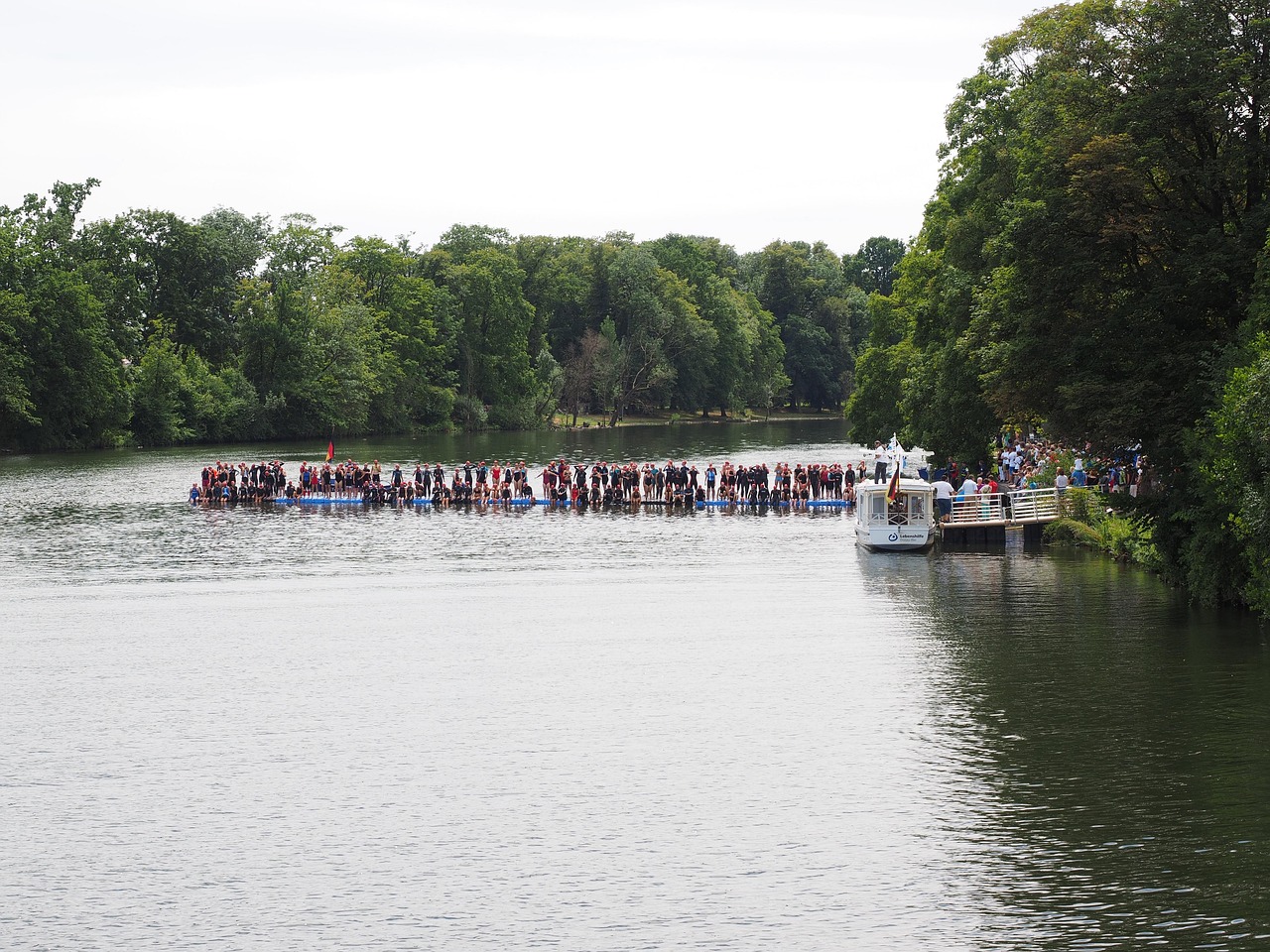
Many triathletes struggle to maintain their swim training when faced with limited pool access. The good news is that there are alternative approaches to refine your swimming skills outside of traditional pool workouts. Firstly, consider engaging in open water swimming when possible. This not only enhances your endurance but also improves your adaptability to varying conditions, which greatly benefits triathlon performance. Incorporating drills that can be executed in small spaces is crucial. Core exercises and flexibility routines contribute significantly to overall swim technique. Focus on building strength using resistance bands or bodyweight exercises that simulate swimming motions. You can also include land-based stroke drills to maintain muscle memory. This way, you continue developing your swim style while keeping physically fit. Additionally, utilizing a virtual coach or online tutorials can help you keep your training effective. With motivation and creativity, even the absence of a pool does not have to hinder your training goals. Keeping a structured plan is vital for making sustainable progress in swimming, regardless of access restrictions. Explore all your on-land options before conceding to missed swim workouts. This adaptability is key for any successful triathlete!
When faced with limited pool time, it’s essential to prioritize efficiency in your workouts. One effective strategy is to maximize every minute spent in the water. Consider setting specific goals for each session, such as focusing solely on endurance one day and speed on another. This targeted approach allows for a more productive workout, enabling you to track improvements efficiently. You can organize your swim sets around specific intervals to keep motivation high. Moreover, practicing visualizations can enhance your mental preparedness when training in diverse environments. Utilizing swim training apps is also beneficial for logging sessions, tracking progress, and creating workouts tailored to your schedule. Such apps often include video demonstrations of various techniques that can be beneficial for perfecting your form. Participating in swim clinics or joining local swim clubs, when possible, can also enhance your skills through expert guidance and constructive feedback. Finally, consistency is crucial in maintaining fitness levels, so consider scheduling dryland training sessions as well to implement your core strength exercises regularly. By doing so, you’ll keep your swimming sharp, even without access to a pool. Remember that resilience and adaptability play a big role in triathlon success!
Cross-training is a valuable component of swim training when pool time is scarce. Incorporating diverse exercises stimulates different muscle groups, making it easier to maintain stamina and avoid burnout in your training. For instance, cycling helps to build aerobic endurance, crucial for triathlon success, while running can also bolster cardiovascular strength. Consider integrating workouts like aqua jogging or swimming with resistance gear in lakes, rivers, or ocean environments when accessible. Each offers unique training benefits akin to swimming in a pool. While adhering to a schedule with limited pool access, strive to develop flexibility and engage in activities that don’t require a pool. Utilizing any body of water for quality practices, such as open-water swim drills, can be game-changing. Additionally, adopting mindfulness practices through yoga or Pilates optimizes body control and promotes fluid movement in the water. These approaches do not just keep your fitness level intact but also enhance focus and reduce stress. By building a cross-training regime centered on swimming, you ultimately maintain and even improve your skills, ensuring you remain competitive when you finally return to the pool for your swim workouts.
Incorporating Strength and Conditioning
Strength training is a vital component for triathletes, complementing swim workouts and boosting performance. With limited access to a pool, focusing on strength and conditioning can significantly enhance your swimming abilities by improving muscle engagement and efficiency. Implement exercises targeting the shoulders, core, and legs to increase power while swimming. Methods include resistance band routines, bodyweight exercises, or using light dumbbells. Focus on compound movements like lunges, squats, and push-ups for optimal results. Circuit training is an excellent option to maximize workout intensity and endurance. This kind of training helps prepare the body for the physical demands of swimming, cycling, and running. Moreover, consistency in strength training twice or thrice a week is essential for seeing tangible results. Coupling this with flexibility exercises helps maintain range of motion, enabling easier transitions from dry land to water. Transitioning from strength workouts back to swim practices will become seamless when maintaining regularity. Establishing exercises with a mix of explosive and endurance-based components prepare you comprehensively. Remember, enhancing strength ultimately complements your swimming techniques, making it essential for triathlon training.
Building a mental approach is just as crucial as physical training, particularly with pool access challenges. Developing a strong mental game contributes significantly to triathlon success, especially in the swim leg. Visualization techniques allow you to hone your skills on dry land, mentally rehearsing the swim strokes and strategies you aim to implement. Imagine yourself with proper form, executing each movement with precision and efficiency. Additionally, practicing breath control exercises, simulating different swimming conditions, enhances your comfort in unpredictable environments. Implementing schedules with detailed daily goals can also stimulate focus and discipline in training. Allocate time to reflect on your progress, identifying areas for improvement and adapting to the challenges faced. Meditation or mindfulness practices improve concentration and reduce performance anxiety. Remember to embrace setbacks, allowing you to grow and adapt your strategies. By maintaining positivity, mentally preparing yourself for swim workouts can lead to better performance, even when conditions are not ideal. Be proactive in developing a deep mental resilience. This aspect of training is often neglected but is extremely essential for long-term performance in a triathlete’s journey. Reinforce mental strength alongside physical ability!
Utilizing Technology to Enhance Training
In today’s digital age, various technologies can significantly bolster your swimming training, especially during times of limited pool access. Wearable devices like smartwatches are not just for tracking time but can monitor heart rates, swim strokes, and even provide feedback on technique. These devices enable triathletes to gather essential data about their swimming sessions, encouraging data-driven improvements. You can also find numerous applications offering detailed workouts, instructional videos, and personalized training plans that can be tailored to individual needs. This feature ensures that you can adapt your training without compromising on quality. Another great tool is online platforms offering guided training videos and virtual swim coaching. These resources can help you maintain form and technique even while away from the pool. Ensuring that your training program remains comprehensive and varied is key. By leveraging technology to gather insights, you can ensure the effectiveness of your workouts. Furthermore, joining online communities allows you to share experiences and gain tips from fellow triathletes facing similar challenges. Embrace technology not just for tracking but as an integral part of your swim workouts during limited access periods.
Lastly, incorporating a variety of swimming drills into your limited workout time can enhance endurance and overall efficiency. By creating a structured workout plan, you can focus on exercises that build technique and strength simultaneously. This can include drills that emphasize kick, pull, and stroke efficiency, which ultimately transforms your overall performance. For instance, using swim paddles while doing dryland training can replicate certain movements, allowing for muscle memory retention. Engaging in land-based exercises that mimic swim movements is also effective. One option is practicing with an elastic band, attaching it to a door or other stable surface, and replicating swim strokes while standing. Another effective strategy includes using a balance board to enhance stability and engage core muscles specifically for swimming. You can replicate swim movements and build muscle endurance. Additionally, don’t forget the importance of recovery and rest. Each workout plan should include designated days for rest to allow the body to recover and repair. Gradually, by following these innovative approaches, you can maintain your swim training effectively, even in the absence of a traditional pool environment, ensuring that you stay on course for your triathlon goals.
When facing the challenge of limited pool access, embracing various training methodologies can lead to swim success during this dry spell. Adaptation and creativity will allow continued development in the sport, ensuring readiness for the next race. Focus on consistency in your training regime, honing skills through alternative avenues like strength training and land drills. Implement a well-balanced mix of cardiovascular activities as integral components, layering them into your week. Always set achievable goals and assist your progress through vision mapping practices and enhanced mental focus. When you can access a pool, these routines will ensure you’re adequately fueled, both in stamina and in confidence. Remember the importance of engaging resources like mobile applications, local clinics, and online communities for additional support and motivation. Triathletes thrive on consistent progress, even in challenging circumstances. Stay connected with other athletes who share similar issues; learning from each other and exchanging innovative approaches keeps training fresh and exciting. In conclusion, think outside the box, pursue diverse methods, and stay committed to your training journey. Adaptability, motivation, and a willingness to innovate can solidify your swimming prowess, regardless of any access barriers encountered.