
Post-Workout Nutrition Tips for Men Over 40
Recovering properly after a workout is vital, especially for men over 40 who may have different nutritional needs. After exercise, your muscles require adequate nutrients to repair and grow. The primary focus should be on protein intake; aim for at least 20 to 30 grams of high-quality protein within 30 minutes post-workout. Additionally, incorporating carbohydrates can help replenish glycogen stores depleted during workouts. Good sources of protein include lean meats, fish, dairy, or plant-based proteins such as legumes. Carbohydrates can come from whole grains, fruits, and vegetables. However, don’t forget to include healthy fats in your diet. They can aid in hormone production and overall recovery. Since hydration plays a significant role in recovery, aim to drink enough fluids after exercising to replace any losses from sweat. Also, consider electrolyte replenishment after intense workouts through beverages or foods rich in potassium and sodium. Be mindful of lactose and gluten intolerances, adjusting your protein sources accordingly. Personalizing your post-workout nutrition can help optimize your results and improve overall performance in fitness activities.
As men age, their metabolism tends to slow down, which impacts how their bodies utilize and distribute nutrients. This makes it crucial to monitor food selections post-workout closely. Prioritizing nutrient-dense foods will ensure your body is getting the essential vitamins and minerals it needs for recovery. Look for foods that are rich in antioxidants, which can help reduce inflammation and oxidative stress after workouts. Incorporating fruits and vegetables, particularly those that are dark in color like berries, spinach, and kale, can provide these antioxidants. Furthermore, consider the timing of your meals around workout sessions. Consuming a balanced meal containing carbohydrates, protein, and healthy fats would be beneficial within a few hours after exercising. Planning meals that include a variety of food groups helps support recovery and muscle growth. Moreover, consider working with a nutritionist if you have specific dietary requirements or fitness goals. This can ensure a tailored approach for optimal post-workout nutrition. Maintaining a keen focus on nutrition can enhance your exercise effectiveness and support long-term health as you age.
Understanding Macronutrients
Macronutrients play a vital role in post-workout recovery. Understanding the balance of carbohydrates, protein, and fats can help optimize your nutrition strategy. Carbohydrates are key for refueling. They replenish glycogen stores that are significantly depleted during exercise. Good carbohydrate options include sweet potatoes, quinoa, and oats. These complex carbs digest slowly, providing sustained energy and nutrition. Protein is equally important for repair and rebuilding muscle tissue. Aim for lean sources such as chicken breast, turkey, or plant-based options like tofu. Incorporating protein shakes can be an easy, convenient option, but make sure they contain minimal added sugars. Healthy fats, while not as pivotal immediately post-workout, support long-term recovery by helping hormone regulation. Sources like avocados, nuts, and olive oil are excellent choices. Keep in mind that each person’s body responds differently; therefore, monitoring how your body reacts to various macronutrient ratios is essential. Being mindful about the timing and quantity of macronutrients can greatly influence recovery and overall fitness performance.
Hydration is another critical component of post-workout nutrition, especially for men over 40. Proper fluid intake helps in transporting vital nutrients to muscles and regulating body temperature. Water alone is often sufficient for hydration; however, during lengthy or intense workouts, electrolyte-rich beverages may be necessary. These drinks can help compensate for sweat losses and maintain electrolyte balance. Including foods with high water content, such as watermelon, cucumbers, and oranges, can also support hydration efforts. Adding a pinch of salt to your post-workout snack or meal can aid in replenishing sodium levels lost through sweat. Keep an eye on your body’s signals; thirst is a clear indicator, but fatigue and headaches can also suggest dehydration. Hydration strategies should be adjusted with the intensity and type of the workout. Additionally, the climate in which you exercise can play a substantial role in your hydration needs. Planning your fluid intake before, during, and after exercising can substantially impact your recovery quality and physical performance. Remember to always listen to your body and adjust your hydration accordingly.
Meal Ideas for Post-Workout
Planning nutritious meals post-workout can be both enjoyable and fulfilling. Here are some simple meal ideas that cater to your post-exercise recovery needs. First, consider a classic grilled chicken breast served with a side of steamed vegetables and a quinoa salad. This meal packs a protein punch and includes carbohydrates and healthy fats. Another option could be a smoothie made with Greek yogurt, banana, spinach, and almond milk; this is refreshingly nutritious and easy to digest. You could prepare a turkey and avocado wrap using whole-grain tortillas, which balances protein and healthy fats perfectly. Lastly, a bowl of oatmeal topped with strawberries and a sprinkle of chia seeds makes an excellent recovery meal, providing both protein and carbohydrates. Aim to eat within the recommended 30-60 minutes following your workout for optimal results. Preparing meals ahead of time can simplify the process and ensure you always have healthy options available. These meals are simple yet effective and can help tremendously in achieving your fitness goals as you mature.
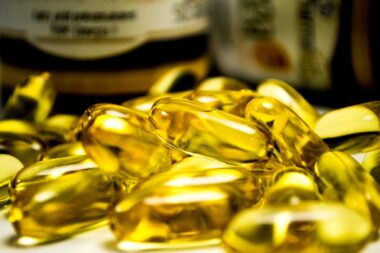
Experimenting with supplements could also be beneficial, depending on your dietary restrictions and personal goals. Protein powders, such as whey or plant-based proteins, can support muscle recovery when incorporated into your diet. BCAA (branched-chain amino acids) may also improve recovery times and encourage muscle growth. Creatine is worth considering for enhancing strength and performance as well. That said, it’s important to consult a health professional before adding supplements to your routine. They can help assess your specific needs and whether supplements are necessary for your lifestyle. Focus not only on the quantity of protein but also on its quality, aiming for wholesome sources. Regularly reviewing your dietary intake will empower you to make necessary adjustments over time. Tracking your meals and progress can offer insight into what combinations work best for you. Remember, nutrition is a journey, and finding the right balance for your body takes time and experimentation. Staying informed can lead to better decisions for your post-workout recovery.
The Importance of Consistency
Consistency in post-workout nutrition is key for men over 40. Developing a routine allows your body to adapt to nutritional patterns, which can significantly enhance recovery and performance. Regular intake of balanced meals after workouts enables your body to fuel effectively, which is crucial as you age. Find a schedule that fits your lifestyle; perhaps you could dedicate time after each workout to prepare a meal or a shake. Rather than relying on occasional efforts, incorporating good nutrition consistently will yield better results in strength maintenance and muscle growth. Create a checklist of your nutritional goals and monitor daily or weekly targets. This will hold you accountable and motivate you to stay on track. Furthermore, learning to enjoy the process of meal prep can make it easier to adhere to routine habits for nourishment. Challenges will arise, and flexibility around those obstacles can be incorporated, but maintaining a committed mindset is paramount. The long-term benefits of consistent, balanced nutritional habits will far outweigh any short-term difficulties you may experience.
In conclusion, post-workout nutrition is especially important for men over 40 striving for optimal health and fitness. Properly fuelling and nourishing your body can boost recovery, improve performance, and support your overall well-being. Focus on integrating quality proteins, healthy fats, and carbohydrates into your post-workout meals. Remember the importance of hydration and consider adjusting electrolyte intake as necessary. With the right planning, meal ideas, and consistency in your nutrition strategies, you can significantly enhance your workouts’ effectiveness. Also, be open to experimenting with supplements that complement your diet, ensuring you consult a professional before proceeding. Ultimately, finding the right balance takes time and self-awareness, but it is well worth it for achieving enduring fitness goals and maintaining health as you age. Adapting your nutritional strategies as you progress will contribute positively to your fitness journey. Keep experimenting and learning about your body, and this approach will help cultivate a fitter, healthier you.