
The Role of Joint Mobility in Martial Arts Efficiency
Joint mobility plays a crucial role in the effectiveness of martial arts practice. Greater joint mobility allows for more fluid and expansive movements, which can enhance performance significantly. When martial artists have better range of motion, they can execute techniques with improved precision and agility. Furthermore, joint mobility contributes to injury prevention, allowing practitioners to maintain great training intensity without overexertion. Martial arts disciplines, such as karate, judo, and taekwondo, place immense demands on the body. Thus, increasing flexibility through intentional mobility training can make a remarkable difference. Proper warm-up and mobility exercises help prepare the joints for the rigorous activity that follows. It serves to activate ligaments and tendons, making movement more efficient and effective. Additionally, individuals who invest in joint mobility tend to recover faster from training sessions and competitions. Strengthening the joints through various stretches and techniques builds resilience, making the martial artist capable of combatting fatigue better. In summary, the significance of joint mobility in martial arts cannot be overstated; it is vital for maintaining high levels of efficiency and ultimately achieving mastery.
To develop superior joint mobility, practitioners should consider a strategic approach.
Practice should include a combination of dynamic stretches and static stretching techniques. Dynamic stretches involve active movements that help improve flexibility in real-time, while static stretches allow for deeper, focused flexibility improvements. A well-rounded routine may enhance hip, shoulder, and spinal mobility, which are particularly important in martial arts. Incorporating exercises like leg swings, arm circles, and spinal rotations into warm-ups can optimize mobility. Additionally, martial artists should prioritize consistency in their flexibility training. Engaging in regular sessions ensures sustained improvements and reinforces mobility gains over time. It is essential to listen to the body during this process, identifying areas that require focus or further development. For those with pre-existing injuries or concerns, consulting a trainer or healthcare professional can provide direction on safe practices. As flexibility improves, martial artists may find room for further technique refinement, enhancing precision in execution and developing fluidity. The benefits extend beyond physical movement; greater joint mobility fosters a deeper understanding of one’s body mechanics and enhances overall performance in martial arts.
Key Benefits of Improved Joint Mobility
Improved joint mobility offers numerous benefits to martial artists, affecting both their training and competition outcomes. One primary advantage is the enhancement of overall athletic performance. As flexibility increases, practitioners are better equipped to deliver high-impact strikes and execute complex techniques seamlessly. Moreover, joint mobility can increase reaction times, allowing martial artists to respond to opponents more efficiently. This can be particularly crucial during sparring sessions or competitions, where split-second decisions determine victory or defeat. Also, enhanced joint mobility allows improved leverage capabilities, enabling practitioners to use their body’s strength more effectively during techniques such as throws and locks. In addition, training that focuses on joint mobility encourages body awareness. Increased awareness can help martial artists identify weaknesses or imbalances, prolonging their athletic career. Practitioners who demonstrate superior mobility often enjoy enhanced levels of confidence, which can positively impact their mental game. Both physical prowess and a strong mental game are essential for success in martial arts. Ultimately, these aspects foster a more profound connection between body and mind, vital for mastery in martial arts.
Another essential recommendation for enhancing joint mobility includes proper recovery.
Dedicating time to recovery protocols is as critical as the training itself. Post-training recovery may include foam rolling, dedicated stretching sessions, and adequate rest. Additionally, incorporating practices like yoga can serve dual purposes of stretching and strengthening. By participating in yoga sessions, martial artists often find improved mental focus while simultaneously enhancing flexibility and joint health. Mindful breathing associated with yoga poses can help improve focus during training or competition. Nutrition also contributes to joint health; including anti-inflammatory foods in the diet can support recovery and promote mobility. Foods like berries, leafy greens, and fatty fish are excellent for achieving this balance. Staying hydrated is equally essential, as proper hydration helps maintain elasticity in muscle tissues and joints, further supporting mobility. Joint mobility and flexibility should not be overlooked as components of overall performance. As martial artists enhance mobility through various strategies, they promote their longevity in the sport and increase their overall effectiveness. In the long run, this commitment can foster satisfaction and fulfillment in one’s martial arts journey.
Techniques to Improve Joint Mobility
Several key techniques can directly influence joint mobility in martial arts training. Active isolated stretching, for example, is one such technique. It involves contracting the opposing muscles to draw attention to important joints. Stretching movements are typically held briefly, promoting greater flexibility without causing injury. Practitioners also often benefit from proprioceptive neuromuscular facilitation (PNF), where a partner assists in achieving deeper stretches. This technique enhances the overall efficacy of stretched muscles and encourages improved mobility. Another effective method is the use of resistance bands during mobility exercises. Incorporating bands in workouts increases the dynamic range of motion and improves stabilization. These methods are ideal for enriching traditional flexibility routines. Additionally, martial artists should engage in sport-specific drills that support their unique discipline’s movements. Each martial art requires specific flexibility adaptations, underscoring the necessity for tailored approaches. Consistent implementation of these techniques can significantly enhance mobility over time, yielding results that translate to opponents in combat. Ultimately, martial artists can utilize these diverse methods to refine their techniques, push performance boundaries, and ensure an enhanced movement quality.
In pursuing improved joint mobility, practitioners should consider regional focus.
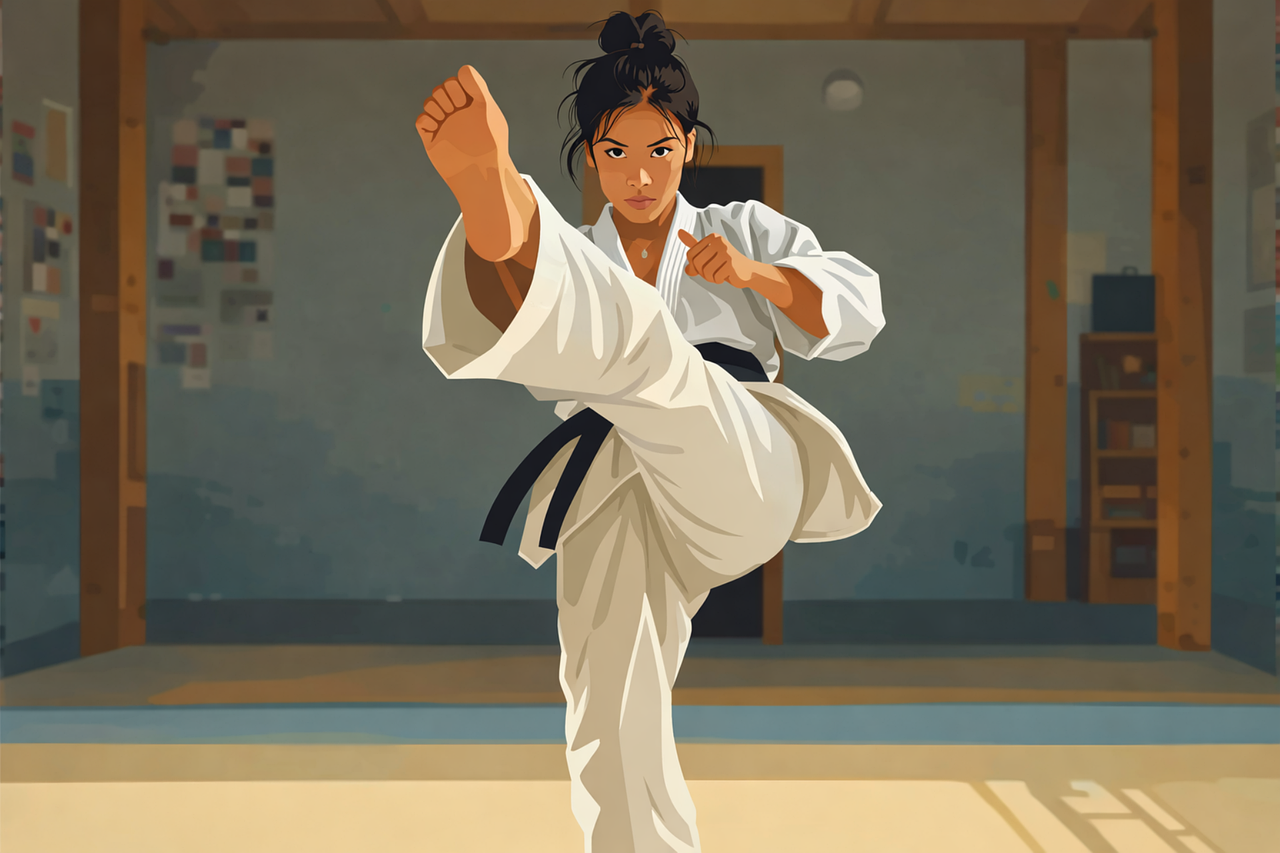
Different martial arts disciplines emphasize various body parts regarding flexibility requirements. Karate practitioners, for instance, may find a high emphasis on hip and shoulder flexibility vital for high kicks and blocks. Conversely, judo and grappling arts prioritize core stability and spinal mobility for effective movements and positional control. By understanding the specific mobility needs of their art, martial artists can create targeted training programs. This targeted approach helps in refining joint mobility in the most relevant areas. Regular assessments can also reveal progress and highlight areas needing further attention. Setting measurable goals within flexibility training can motivate practitioners to stay consistent. Moreover, incorporating martial arts culture during training can provide context for mobility practices, as historical teachings often emphasize the importance of flexibility. Creating an environment where mobility becomes a celebrated part of martial arts can significantly affect motivation. Therefore, both instructors and practitioners should value the role of joint mobility in achieving long-term success and satisfaction in their martial arts journey.
Conclusion on Joint Mobility in Martial Arts
Joint mobility is undeniably an essential component of effective performance in martial arts.
Practitioners dedicated to improving their flexibility contribute significantly to their success in training and competition. By understanding the mechanics of joint mobility and incorporating appropriate techniques into their routines, martial artists foster a more dynamic and powerful presence. Consistent practice, targeted approaches, and attention to recovery foster significant improvements over time. As practitioners strive toward mobility, they not only achieve remarkable performance gains but also experience fewer injuries. The commitment to maintaining joint health ultimately promotes longevity in one’s martial arts journey. This approach extends beyond physical strength as it encapsulates a holistic understanding of body function and awareness. Each practitioner’s unique journey highlights the fundamental principle that flexibility directly impacts martial arts effectiveness. Therefore, adopting practices that enhance mobility should be viewed as an imperative for anyone serious about martial arts. By placing emphasis on joint health, strength, and mobility, a new foundation for mastery can emerge. In conclusion, as martial artists invest in joint mobility, they prepare themselves to confront challenges and enhance their experiences in martial arts.
Acknowledging the ongoing journey towards improved joint mobility can offer perspective.
Whereas some practitioners may reach significant levels of flexibility, others may face more challenges along the way. Personal discipline, time investment, and patience are essential in overcoming these challenges. Focusing on steady improvements rather than comparing oneself to others can create a sustainable practice. By nurturing a growth mindset, martial artists can appreciate individual progress, no matter how small. May aspiring martial artists recognize that each person’s journey is unique. Commitment to training and fortitude during setbacks cultivates a deeper sense of purpose and dedication. Ultimately, this journey of flexibility enhances individual experiences in martial arts, allowing for breakthroughs and powerful insights into personal potential. Embracing this path can instill lasting habits that extend beyond the martial arts arena. Sustaining a genuine interest in joint mobility practice can lead to other physical benefits, such as improved posture and balance. These additional advantages play a crucial role in overall athletic performance. Long-term investments in joint health will unravel not only superior martial arts capabilities but also provide a holistic approach to fitness and wellness.