
The Importance of Flexibility in Trail Running
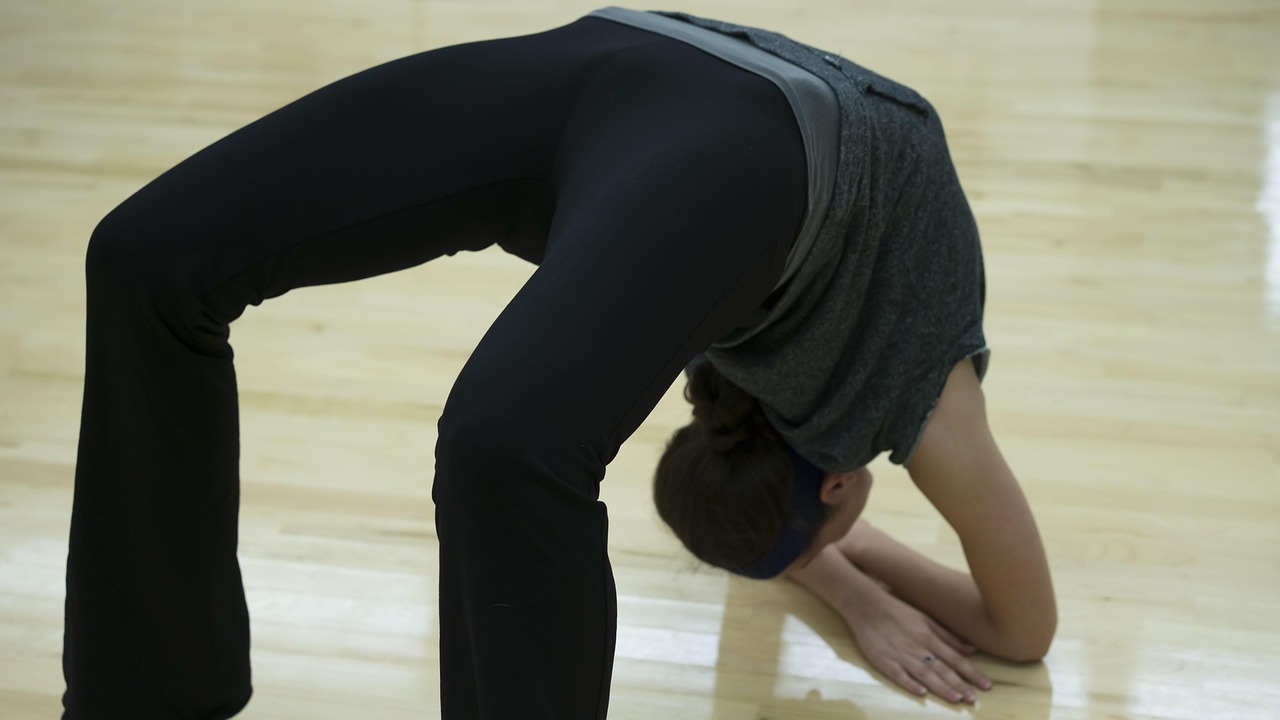
Trail running is not just about endurance; it’s a multifaceted endeavor that requires strong physical capabilities, including flexibility. Flexibility plays a crucial role in preventing injuries, enhancing performance, and ensuring runners can navigate diverse terrains effectively. As trail runners encounter various obstacles such as rocks, roots, and steep inclines, flexibility is what allows them to maintain proper form while adjusting their stride and foot placement. Stretching and flexibility exercises should be part of every runner’s training regime. When the muscles, ligaments, and tendons of the lower body are flexible, movements become fluid, allowing for better handling of sudden changes in speed and direction. Consequently, this flexibility can also enhance balance, helping runners traverse uneven surfaces more easily. Trail runners should aim to incorporate diverse flexibility routines, focusing particularly on the hips, hamstrings, calves, and lower back. Activities like yoga and dynamic stretches contribute immensely to a runner’s overall agility. By setting aside time dedicated to flexibility training, runners can develop greater overall body control and improve their performance on challenging trails.
As runners integrate flexibility training into their regimes, they may discover various techniques that work best for them. One effective method for improving flexibility is foam rolling. This self-myofascial release technique can help release muscle tightness and improve range of motion. Additionally, static stretching post-run helps address areas of tension that may build up during your trail runs. Important stretches include the hip flexor stretch and hamstring stretches, as these muscle groups play vital roles in running efficiency and injury prevention. Dynamic stretches, such as leg swings and walking lunges, are excellent for warming up before hitting the trails, allowing muscles to prepare for the workout ahead. It’s essential to listen to your body and avoid pushing beyond comfortable limits, as overextending during flexibility exercises can lead to injury. Scheduled rest days should also prioritize active recovery, such as gentle yoga or swimming. This combination helps maintain flexibility without overexerting muscles. Trailing through varying landscapes demands adaptability, and flexibility is the key to unlocking this physical potential. Ultimately, fostering flexibility in your training program can help achieve these running ambitions.
Types of Flexibility Training
Flexibility training can be divided into several types, each with its own unique benefits for trail runners. Static stretching is perhaps the most recognized type, performed in a stationary position to elongate muscles and increase flexibility. Dynamic stretching, on the other hand, involves movement-based stretching, ideally incorporated into warm-ups. Another beneficial form is proprioceptive neuromuscular facilitation (PNF), a technique often involving a partner or wall to enhance flexibility through alternating contraction and relaxation of muscles. Incorporating various types ensures a well-rounded flexibility routine that targets multiple muscle groups essential for trail running. Runners should include stretches focusing on major muscle areas such as the glutes, quad, and calves. Consistent practice not only promotes injury prevention but can lead to improved pacing, quicker recovery times, and enhanced agility. Including both static and dynamic stretches in your training plan offers a comprehensive approach to flexibility. Sequences like “the lunge with a twist” get the body ready for core engagement, while stretches like the seated toe touch encourage lengthening and relaxation in the hamstrings—essential aspects of overall performance.
When thinking about flexibility, it’s important to consider not only physical benefits but also mental components that enhance an athlete’s connection to their body. Developing flexibility requires patience and commitment, similar to building endurance. This mental aspect can lead runners to a deeper understanding of their own capabilities and limits. As a trail runner, embracing the journey of flexibility growth can be transformative. Engaging in mindful practices during stretching, like focusing on breath, aids in relaxation and concentration. Meditation can also complement flexibility routines by promoting overall balance in both mental and physical states. When runners harmonize mind and body, they enhance focus during their runs, contributing to better performance on trails. Remaining committed to a regular flexibility routine yields cumulative benefits over time. By setting specific, measurable goals related to flexibility, athletes can remain motivated and encouraged by their progress. Trail running can be as much about self-discovery as physical prowess, and increased body awareness through flexibility plays a key role. Runners should remember that each small improvement in flexibility can correlate with a significant positive impact on overall running efficiency.
Stretching Strategies for Trail Runners
The most effective stretching strategies for trail runners involve a well-balanced mix of pre- and post-run routines. Before a trail run, it’s better to engage in dynamic stretches that activate muscles and enhance blood flow. Examples include butt kicks, high knees, and arm circles. These stretches prepare specific muscle groups for the diverse challenges posed by the trail. After completing a run, static stretching should take center stage. Holding stretches for 20-30 seconds allows muscles to relax and elongate. Post-run stretching is vital for recovery and helps decrease soreness. Key stretches include calf stretches against a wall, quadriceps stretches while standing, and cross-legged seated stretches for hips. Runners should devote around 10-15 minutes after every run for these stretches. Additionally, incorporating flexibility training sessions into a weekly training plan can provide further benefits. Yoga sessions are ideal, as they integrate flexibility with strength and balance, enhancing core stability and promoting mental well-being. Making stretching a routine is crucial for maintaining flexibility, which can directly influence performance. Improving flexibility leads to efficient strides while eliminating muscle stiffness, which is paramount in trail running.
As trail running demands resilience, strength, and endurance, another aspect to consider is how flexibility fits into preventing common injuries. Achilles tendonitis, IT band syndrome, and plantar fasciitis are injuries often associated with tight and restricted muscles. Proper flexibility routines can help ease tension within these areas, significantly lowering the likelihood of injury. Consistent stretching can foster a wider range of motion, reducing muscle tightness and minimizing the risk of overuse injuries. Runners should pay attention to any discomfort and proactively incorporate preventative exercises that focus on flexibility. For example, dedicating time to the calves, shins, and hips can counteract common tightness in these muscle groups. When muscles stay supple, trail runners can maintain proper form, even during challenging runs. Enhancing overall muscle elasticity keeps joints healthy and increases running longevity. Additionally, regular assessments help runners identify areas needing improvement. If certain stretches are consistently challenging, this could indicate a need for targeted flexibility work. Staying informed about the body and adapting flexibility routines proactively contributes significantly to a successful trail running experience.
Conclusion: Investing in Flexibility
Ultimately, investing time in flexibility training is essential for any trail runner seeking to improve performance, enhance enjoyment, and prevent injuries. Recognizing that flexibility is a critical component of overall athleticism empowers runners to take charge of their training plans. When runners adopt flexibility routines, they enhance their efficiency on the trails and cleanse their bodies of tension accrued during intense runs. The road to becoming a successful trail runner may be filled with obstacles, but focusing on flexibility can create pathways to excellence. Moreover, each runner’s flexibility journey is unique; there’s no one-size-fits-all solution, so personalizing routines is critical. Listen to your body, experiment with various stretches, and track progress over time. Building connections with the community, such as joining running clubs, keeps motivation high while fostering relationships based on shared goals. As runners become more aware of their movement patterns, they build a stronger foundation for tackling challenging trails. As a concluding thought, let your flexibility journey guide you toward inspiring adventures on every trail you conquer in nature.
Adopting a lifestyle centered around flexibility trains not only the body but also the mind, often leading to a more balanced approach to trail running. By incorporating sufficient flexibility exercises, runners can create a holistic training program, significantly improving their abilities on varied terrains, paving the way for enjoyable experiences in nature. Continued diligence in developing flexibility contributes positively, leading to overall satisfaction while minimizing potential injuries along the trail.