
Expressing Emotions Through Art: A Stress Management Strategy
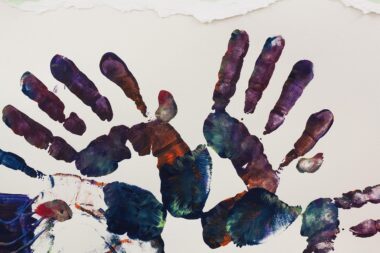
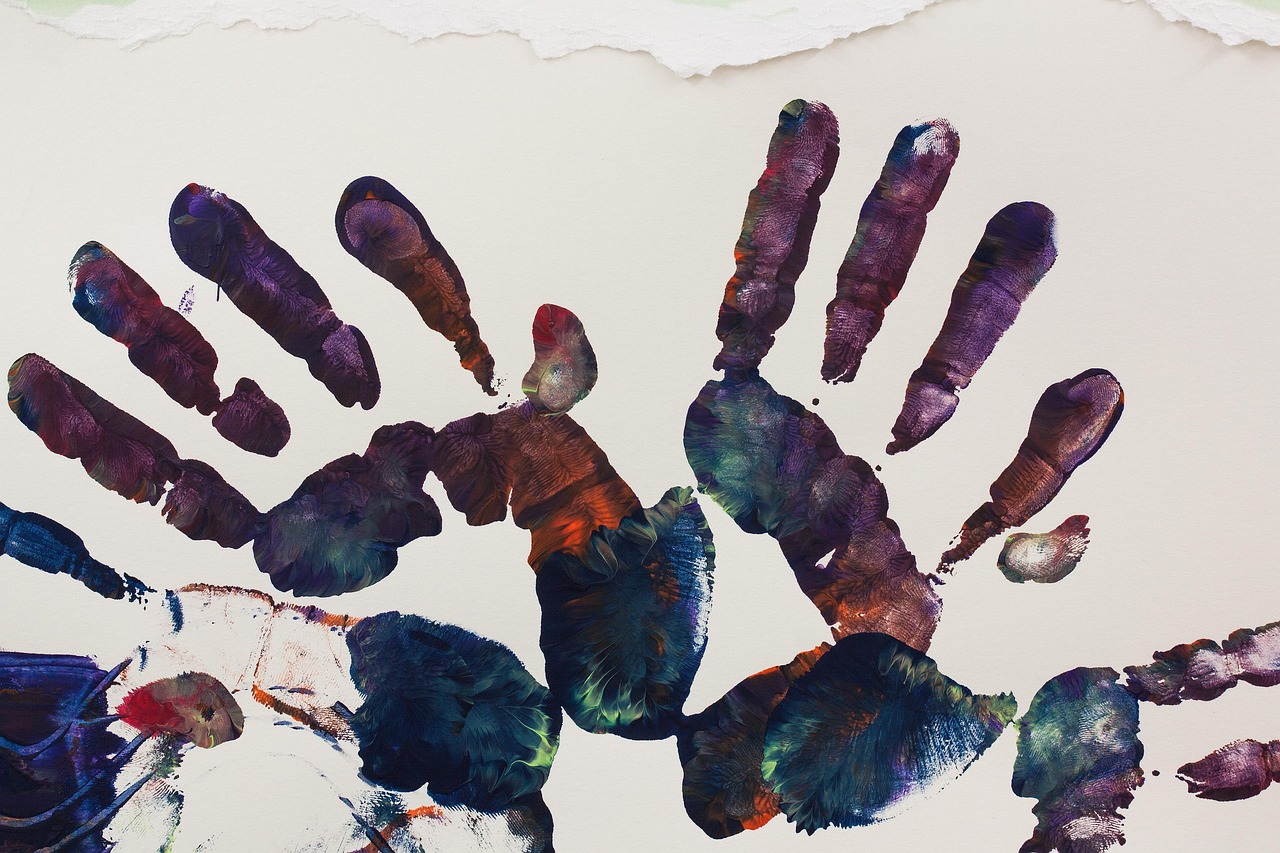
Art therapy offers a unique approach to managing stress by utilizing creative expression to explore emotions. This therapeutic practice encourages individuals to engage in artistic activities, such as painting, drawing, or sculpting, to release their feelings. Through art, people can externalize anxiety, sadness, or anger, allowing for a healthy outlet rather than internalizing these emotions. It’s especially beneficial for those who struggle to articulate their thoughts verbally. Research indicates that engaging in artistic processes can reduce cortisol levels, the hormone associated with stress, leading to increased feelings of calm and relaxation. Art therapy sessions are usually conducted by certified therapists, ensuring that individuals receive guidance tailored to their personal experiences. Participants often report feelings of relief and empowerment, recognizing that they have control over their emotional well-being. Moreover, art therapy can foster a supportive community where individuals can share their artistic expressions without the fear of judgment. This bonding can create a safe environment, essential for emotional healing and self-acceptance, promoting improved mental health outcomes. Hence, art therapy becomes a powerful tool in the repertoire of stress management strategies.
The Benefits of Art Therapy for Stress Relief
Art therapy provides numerous benefits, making it an effective method for stress relief. Firstly, it enhances self-expression, enabling individuals to communicate feelings that are often hard to verbalize. For instance, through colors and shapes, one can represent complex emotions or experiences, which may be difficult to talk about directly. Secondly, engaging in artistic activities is inherently relaxing; repetitive tasks like painting or drawing can take the mind off stressful thoughts. Thirdly, art therapy promotes mindfulness. When individuals focus on the act of creation, they become immersed in the moment, minimizing distractions and anxiety. Additionally, it encourages introspection, leading to a better understanding of one’s emotional state and behavioral patterns. Fourthly, art therapy fosters resilience by empowering individuals to confront and navigate their emotions, ultimately leading to personal growth. Furthermore, it can enhance social connections when carried out in group settings, allowing participants to bond over shared experiences. As a result, art therapy becomes more than just a means of stress relief; it evolves into a holistic approach for mental wellness and emotional empowerment.
Individuals of various ages can benefit from art therapy, making it a versatile approach for stress management. Children, in particular, often find art to be a natural form of expression. Through drawing or painting, children can depict feelings and experiences they may not yet understand or be able to articulate verbally. This can help adults understand the child’s emotional state and encourage discussions about feelings in a supportive way. For adults, art therapy offers a means to escape the pressures of daily life, granting them the time to explore their thoughts creatively. Older adults may also find solace in art therapy, as it can provide cognitive stimulation and emotional relief. Furthermore, art therapy can be customized to accommodate individual needs, whether it’s related to trauma, depression, or anxiety. Each session can be specifically designed based on therapeutic goals and personal interests, allowing participants to engage with their creativity at their own comfort level. This personalized approach enhances the relevance of art therapy to the individual, making it more likely to lead to effective stress relief and emotional healing.
How Art Therapy Sessions Work
Art therapy sessions typically involve several components aimed at fostering creative expression and emotional connection. Each session usually begins with an introduction, where participants can share their thoughts and feelings about a particular topic or emotion. Following this, participants are provided with various materials – paints, clay, colored pencils, and canvas. They are encouraged to create freely without constraints, allowing their emotions to guide the art-making process. During the creativity phase, the therapist observes, offering support and encouragement as needed. Once the artwork is completed, participants are encouraged to reflect on their creations, discussing the feelings or memories that emerge. This reflection often leads to deeper insights and can help individuals process complex feelings. The therapist may guide participants through this exploration, ensuring that it remains a safe and constructive environment. Additionally, sessions may include group discussions that foster a sense of community and shared experience. Overall, each art therapy session is designed to facilitate personal expression while providing tools for emotional healing and stress management.
The role of a therapist in art therapy is crucial for its effectiveness. Qualified art therapists usually have extensive training in psychology and art techniques, enabling them to provide appropriate guidance during sessions. They are skilled in creating a safe and supportive environment where clients feel comfortable expressing their thoughts and emotions through artistic endeavors. The therapist is responsible for understanding each individual’s emotional landscape and tailoring their approach accordingly, ensuring that the art-making experience is therapeutic rather than simply artistic. By facilitating discussions around created artworks, therapists help individuals uncover new insights and clarify emotional complexities that may surface. Additionally, therapists can introduce different artistic techniques and mediums to enhance the creative experience, thereby broadening the therapeutic impact. This tailored approach allows for a more personalized experience for each participant, making art therapy adaptable to various needs. Furthermore, therapists can evaluate progress over time, helping clients track their emotional growth and resilience. Hence, the role of an art therapist is multifaceted, combining expertise in mental health with a passion for the arts to foster holistic well-being.
Incorporating Art Into Daily Life
Incorporating art into daily routines can significantly enhance emotional well-being outside structured therapy sessions. Individuals can explore various mediums, from painting to digital art, to express themselves creatively and manage stress. Creating a designated space for art within the home can encourage regular engagement with creative activities. This space can be an area with art supplies easily accessible, allowing for spontaneous expression whenever emotions arise. Additionally, journaling through art—combining writing with drawing—can provide an excellent outlet for self-exploration and reflection. Even engaging in simple doodling while working or studying can help alleviate stress and improve focus. Participating in community art events or classes can build connections and allow for shared creative experiences, further enhancing emotional resilience. Furthermore, setting aside time each week for creative pursuits can promote mindfulness and relaxation. Engaging with art fosters a sense of accomplishment while providing an escape from daily pressures. Over time, these practices not only become enjoyable activities but also effective tools for emotional regulation, making daily life more manageable and enriching.
Ultimately, art therapy serves as a powerful technique for managing stress by providing individuals with an invaluable means of emotional expression. Art’s inherent ability to facilitate communication enables people to articulate complex feelings that might be hard to express through words. As individuals engage in art therapy or make art independently, they often cultivate a deeper understanding of themselves and their emotional responses. This self-awareness can lead to healthier coping strategies and improved mental resilience, crucial for enduring life’s challenges. The creative process itself is therapeutic, providing moments of joy, relaxation, and fulfillment. Engaging in art can empower individuals and foster a sense of autonomy over their emotional experiences. By incorporating artistic practices into everyday life, stress becomes manageable, and individuals can navigate their emotional landscapes with greater confidence. Overall, art therapy exemplifies a holistic approach to stress management, combining creativity with emotional healing. As more people discover its benefits, art therapy is likely to become an increasingly popular option for those seeking effective stress relief solutions.
Conclusion: The Healing Power of Art
In conclusion, art therapy presents a unique and effective pathway for managing stress through creative expression. As this therapeutic approach grows in popularity, more individuals are recognizing its benefits not only for stress relief but also for emotional healing and personal growth. By providing a safe space for self-expression, art therapy enables individuals to confront their feelings while developing healthier coping mechanisms. The skills gained through art-making can translate into everyday life, enhancing one’s ability to handle stress effectively. Moreover, the supportive environment fostered in art therapy encourages connections with others who may share similar experiences, helping participants feel less isolated in their struggles. As participants engage with their creativity, they often find empowerment and hope, understanding that they are not alone on their journeys toward emotional well-being. As society continues to embrace holistic and accessible strategies for mental health, art therapy stands out as a valuable tool in promoting resilience and healing. Therefore, integrating art into stress management routines is not just a creative endeavor; it is a commitment to personal and emotional growth.