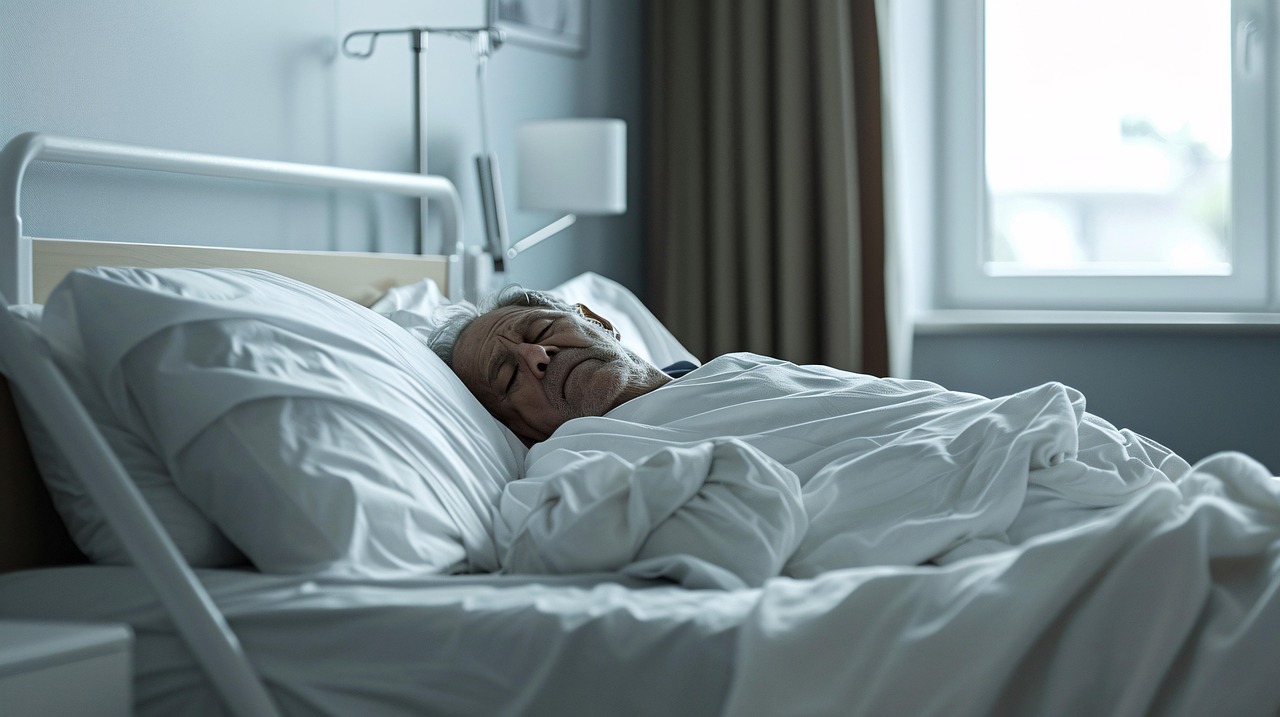

The Link Between Exercise Recovery Time and Sleep in Elderly Individuals
As individuals enter the aging phase of life, the dynamics of health, particularly concerning exercise and sleep, warrant significant attention. The elderly population often experiences varying levels of physical capability, which influences their exercise routine and recovery time. This connection not only affects physical health but may also profoundly shape sleep patterns and quality. Research indicates that consistent physical activity can improve sleep among older adults, but recovery time from exercise can vary widely. Those who take longer to recover may struggle with sleep onset and quality. It is important to consider how the physical exertion during exercise requires adequate recovery periods. For elderly individuals, balancing exercise intensity and recovery time becomes crucial, especially as these factors interplay with their overall sleep quality. Enhanced sleep can, in turn, facilitate better exercise performance, creating a cyclical relationship. Understanding these nuances empowers healthcare professionals and caregivers to recommend appropriate exercise regimens tailored to individual recovery rates. By promoting awareness of these connections, we can help enhance the quality of life among aging populations, enabling them to thrive through appropriate activities that consider their unique needs.
The Importance of Recovery Time in Exercise
Recovery time refers to the duration needed for the body to recuperate post-exercise, particularly vital for elderly athletes or individuals engaging in regular workouts. As people age, their physiological responses to exercise change. Muscles may take longer to repair, and inflammation can persist longer than in younger counterparts. This increased recovery time can lead to various challenges. Elderly individuals may experience heightened fatigue or soreness after workouts, discouraging them from maintaining a regular exercise schedule. Consequently, it is essential to encourage recovery techniques such as adequate hydration, nutrition, and sleep. Engaging in low-impact exercises, including walking or yoga, can help improve overall fitness without overstraining the body. Monitoring how quickly the body restores its strength and energy is crucial. Additionally, incorporating adequate rest days into an exercise program allows the body to heal and prevents injuries. By sharing strategies to enhance recovery, it helps boost elderly confidence in physical activity. Ultimately, understanding recovery time is paramount in promoting a sustainable exercise routine for the elderly, leading to improved health outcomes, enhanced self-efficacy, and overall well-being.
Sleep plays an essential role in recovery and overall health, significantly influencing physical and cognitive functions in elderly individuals. Inadequate sleep can hinder the body’s ability to recover effectively, leading to compromised physical performance. Research indicates that a lack of restorative sleep can result in increased recovery time, impairing muscle rebuilding and repair. Additionally, insufficient sleep can lead to a heightened perception of pain and discomfort, which may discourage regular exercise. Conversely, an effective sleep schedule promotes hormonal balance, ensuring that growth hormones and other critical bodily functions occur at optimal levels. These factors contribute positively to recovery from physical exertion. Certain sleep cycles, specifically REM and deep sleep, are crucial for muscle recovery and cognitive restoration. For elderly individuals, establishing good sleep hygiene can close the gap between exercise and improved recovery rates. Creating a sleep environment conducive to rest, such as a cool, dark room, can enhance sleep quality. Ultimately, focusing on sleep alongside exercise regimens offers a holistic approach to health management for aging populations. This awareness can lead to better health outcomes, fostering a life filled with vitality and energy for elderly individuals.
Key Strategies for Improving Sleep Quality
Integrating specific strategies tailored to enhance sleep quality can support elderly individuals coping with the effects of aging on their sleep patterns and exercise recovery. First, establishing a consistent sleep schedule is vital. By creating a regular pattern of going to bed and waking up, the body’s internal clock can stabilize, leading to improved sleep quality. Avoiding stimulants like caffeine and heavy meals before bedtime also contributes to better rest. Additionally, creating a relaxing bedtime routine, such as reading or meditating, can prepare the mind for sleep. Practicing gentle stretches or relaxation exercises can also improve sleep onset. Moreover, maintaining an optimal bedroom environment is paramount; darkness, silence, and a comfortable temperature can facilitate restful sleep. Natural light exposure during the day is essential for regulating circadian rhythms, boosting energy levels, and improving overall mood. Finally, addressing any underlying health issues with healthcare providers supports better sleep and recovery. Combining these strategies enables elderly individuals to navigate the relationship between exercise and sleep more effectively, leading to enhanced recovery times. Engaging actively in managing their health allows for a more fulfilling and active lifestyle.
The relationship between exercise recovery and sleep in elderly individuals is undeniably significant and multifaceted. Certain factors can complicate this relationship, such as chronic pain conditions, medical conditions, and medications that alter sleep patterns or physical capabilities. Furthermore, psychological factors like anxiety and depression can hinder sleep, amplifying the challenges faced by older adults in both recovery and overall health management. Acknowledging these barriers can lead to improved health strategies tailored for elderly populations. Collaborating with healthcare providers and focusing on individualized exercise programs can foster a more profound understanding of recovery times, particularly considering their specific health conditions. Addressing mental health alongside physical fitness is equally crucial. Incorporating activities that promote mental well-being into exercise routines, such as group classes or social engagements, contributes to a holistic approach to health. Ongoing research is essential to dissect the nuances of exercise recovery and sleep better, leading to optimized care for aging populations. Combining scientific insights with practical strategies creates an environment where elderly individuals can thrive. This comprehensive approach ensures that recovering from physical exertion does not come at the cost of quality sleep and health.
Conclusion: A Balanced Approach
In conclusion, the link between exercise recovery time and sleep is an intricate web that impacts the health of elderly individuals significantly. As the population ages, understanding this interplay becomes increasingly important. Developing a balanced approach that considers both exercise and sleep can lead to improved health outcomes. Elders should be encouraged to engage in regular physical activity while also implementing strategies that enhance their recovery and sleep quality. By recognizing the relationship between these two factors, caregivers and healthcare professionals can better guide elderly individuals in their health journeys. Education plays a vital role in empowering seniors to manage their physical fitness while synchronizing their recovery strategies with healthy sleep practices. Personalized plans focusing on individual recovery needs can promote long-term health and vitality. This understanding can help prevent sedentary lifestyles, leading to declines in physical and mental health. Future research must continue exploring nuances in elder fitness, recovery, and sleep to develop comprehensive care models. Ultimately, fostering awareness of the connections between exercise and sleep equips elderly individuals for thriving under the unique challenges presented by aging.
By understanding the vital relationship between exercise recovery time and sleep for elderly individuals, it is possible to promote healthier aging and enhance quality of life. Observational studies and expert guidance encourage health innovators to develop resources aimed at seniors, providing them with effective health management strategies. Communities must foster environments conducive to active participation and share best practices. Encouraging elderly individuals to engage in tailored exercise interventions can motivate them to maintain fitness levels while prioritizing recovery and sleep. Developing programs that emphasize both aspects assists seniors in realizing the significance of this interconnection. Finally, encouraging open dialogues about fitness, recovery, and sleep can help demystify common misconceptions around these areas, fostering a greater understanding among seniors and their caretakers. Emphasizing a proactive approach to overall health, incorporating regular check-ins on sleep and exercise practices, is vital to optimizing elderly life quality. In addition, promoting supportive networks that facilitate discussions and share knowledge can lead to collective health improvements within aging populations. This multifactorial approach enables seniors to navigate their health with the tools they need to thrive during their golden years.
In synthesizing the findings and recommendations surrounding exercise recovery and sleep relationships for elderly individuals, it is essential to underline unity among healthcare professionals, families, and communities. Building awareness and education around these interconnected aspects can empower not only elderly individuals but their support networks as well. Active participation from all parties contributes to developing sustainable health initiatives that foster wellness among seniors. Establishing following strategies can guide ongoing efforts surrounding sleep hygiene and exercise promotion: regular health screenings, timely provision of resources, and supportive community engagement. Ultimately, these approaches can help create environments that respect individuality and promote a balanced lifestyle. By ensuring that discussions surrounding improving exercise recovery and sleep quality remain ongoing, they pave the way for researchers to discover enhanced insights and plan for future strategies. Evidence-based support is essential in creating successful interventions aimed at seniors. This collaborative framework is particularly relevant as the senior population continues to grow and diversify. Emphasizing holistic health allows for greater longevity, improved life satisfaction, and enhanced overall well-being for elderly individuals.