
Ergonomics and Posture Challenges in Maintenance and Repair Jobs
Maintenance and repair jobs are inherently demanding and often require workers to operate in uncomfortable positions for prolonged periods. This tendency leads to a myriad of ergonomic challenges that significantly affect workers’ health and productivity. Common issues include back pain, musculoskeletal disorders, and fatigue. Workers frequently perform tasks such as lifting heavy equipment, crawling underneath vehicles, or reaching awkwardly, all of which put undue strain on the body. To mitigate these challenges, it is vital for employers to recognize the importance of proper ergonomics in the workplace. Providing training on safe lifting techniques, utilizing ergonomic tools, and adapting workstations can greatly enhance worker comfort. Emphasizing a culture of safety contributes not only to decreased injury rates but also boosts worker morale. Ergonomic assessments tailored to maintenance work can identify risk factors unique to specific tasks. Furthermore, incorporating regular breaks during shifts allows for recovery and reduces musculoskeletal strain. By prioritizing ergonomic practices, employers demonstrate commitment to their employees’ well-being and productivity. This ultimately leads to a healthier work environment where craft and operational efficiency can thrive.
One significant ergonomic challenge in maintenance and repair jobs is the requirement for workers to adopt static postures that lead to chronic pain and injuries. In many cases, maintenance workers find themselves bending or twisting for long durations while performing tasks. These static postures can lead to muscle fatigue and strain, contributing to the development of unpleasant conditions such as herniated discs or tendinitis. Regularly changing positions or using tools designed to minimize awkward stretching can help in addressing this issue. Additionally, increasing awareness of the risks associated with prolonged static postures is vital for injury prevention. Employers should implement ergonomic training programs focused on the risks of static postures and provide guidance for proper physical management. Encouraging the use of supportive seating or kneeling pads can relieve pressure during stationary tasks. Workers must also be educated about body mechanics and the importance of maintaining a neutral spine. Businesses in the maintenance sector should strive for optimum ergonomics by fostering an environment where feedback regarding uncomfortable postures is encouraged. Recognizing these challenges is crucial in sustaining a healthy workforce that remains productive.
The Impact of Tool Design on Ergonomics
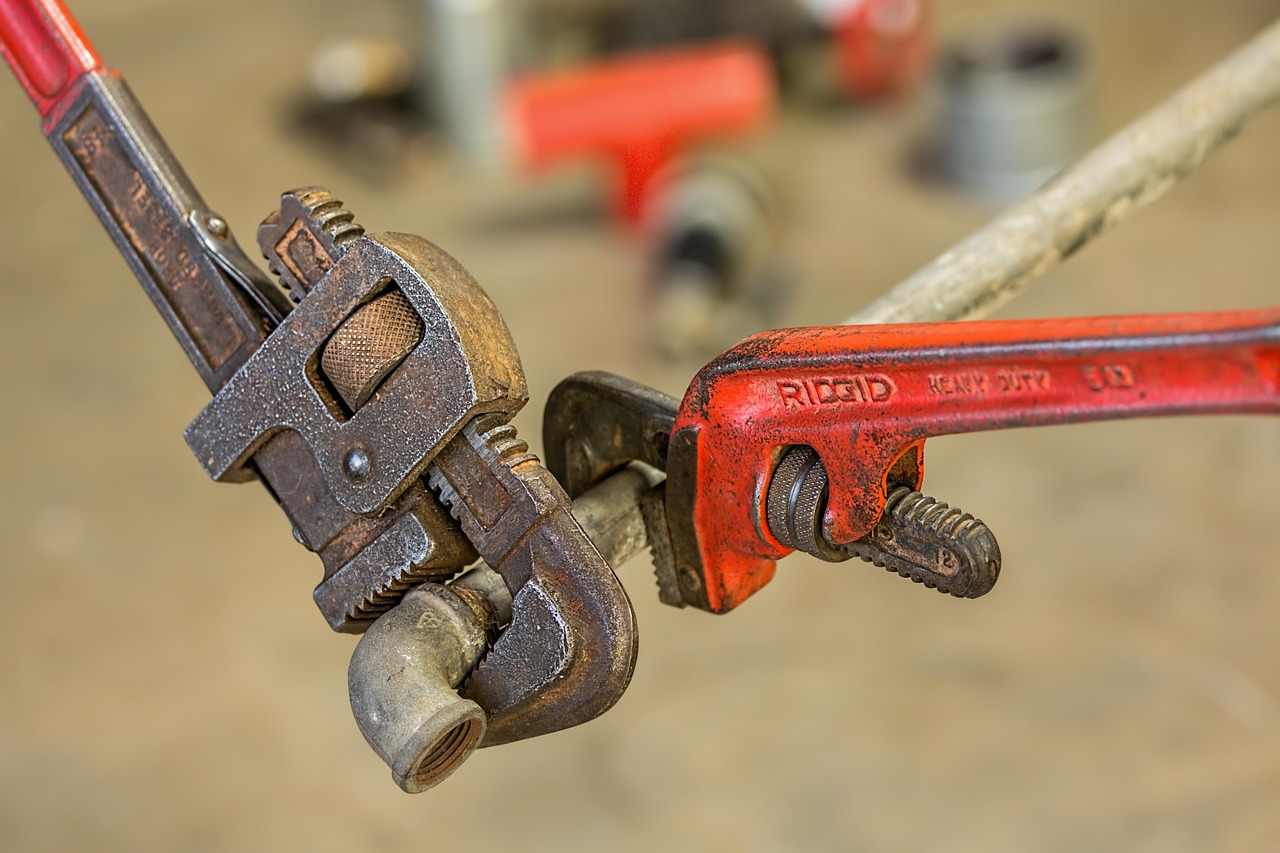
Tool design plays an integral role in the ergonomic challenges faced by workers in maintenance and repair jobs. Poorly designed tools can exacerbate discomfort and lead to inefficient work practices. Hand tools that are not ergonomically designed may require excessive grip strength, causing strain on the hands, wrists, and forearms. Tools that are too heavy or poorly balanced can also lead to fatigue and increased risk of injury. Implementing ergonomic principles in tool design is essential for maintaining worker health and combating fatigue. Employers should prioritize equipping workers with tools that have ergonomic features such as soft grips, appropriate weights, and well-designed handles. Moreover, considering the specific tasks performed, the right tools can greatly reduce the risk of repetitive strain injuries. Conducting regular evaluations of the tools used can lead to timely upgrades that benefit workers. In addition, involving workers in the selection of tools can promote a sense of ownership while increasing their comfort during use. By ensuring that tools are designed with ergonomic features, businesses can improve productivity and reduce workplace injury rates.
Proper workplace layout is another critical factor influencing ergonomic challenges in maintenance and repair jobs. Poor layout can lead to unnecessary movements and awkward postures that strain the body. It is essential to design workstations that allow for easy access to tools and materials which minimizes excessive bending or reaching. A well-organized workspace reduces the risk of trips and falls while promoting overall efficiency. Incorporating adjustable work surfaces can accommodate various tasks and worker heights, ensuring that employees can maintain proper posture while working. To address these ergonomic concerns, companies should evaluate their workflows and create standard operating procedures that emphasize proper workstation setup. Regular assessments of the physical environment can identify areas for improvement, informing necessary changes that promote ergonomic practices. Encouraging worker input during these assessments will create a more inclusive and safety-conscious workplace culture. Additionally, utilizing equipment such as hoists and lifts can help minimize physical strain during lifting tasks. Ultimately, designing a well-organized and ergonomically sound workplace layout reduces the risk of injury and enhances productivity, leading to better outcomes for both workers and employers.
Training and Education
Effective training and education programs are essential to addressing ergonomic challenges in maintenance and repair jobs. Providing employees with knowledge about the principles of ergonomics can empower them to recognize and prevent potential problems. Initial training should focus on safe work practices, proper lifting techniques, and how to use ergonomic tools effectively. Moreover, ongoing training sessions reinforce safe practices and encourage workers to share their experiences with ergonomic challenges. This recurring education helps in developing a culture of safety that prioritizes health. It is vital for companies to create an environment where workers feel comfortable reporting ergonomic issues without fear of repercussion. Having an open dialogue about ergonomic concerns promotes timely intervention when problems arise. Additionally, tailoring training to the specific tasks workers perform within maintenance and repair roles will maximize its relevance. Proper education not only lowers the risk of injury but also enhances overall job satisfaction and productivity. For effective implementation, companies may consider partnering with ergonomic specialists who can provide valuable insights into best practices. Integrating ergonomic training into employee orientation can further emphasize the importance of workplace ergonomics from the onset.
Implementing ergonomic strategies in maintenance and repair jobs goes beyond education; it also requires commitment from management. Top management must not only invest in ergonomic assessments but also demonstrate a visible commitment to worker well-being. Allocating budgets for ergonomic improvements, such as upgrading tools or enhancing workstation layouts, can lead to substantial benefits over time. Furthermore, management should actively seek employee feedback to ensure the effectiveness of implemented ergonomic practices. Regularly scheduled safety meetings can serve as platforms for discussing ergonomic challenges and solutions. Ensuring that employees are aware of the resources available for ergonomic concerns is critical. Documenting work-related incidents and analyzing trends can also help in identifying high-risk areas that require attention. Additionally, wellness programs integrating physical fitness and stress management can further enhance employees’ overall ergonomic health. By fostering a comprehensive ergonomic strategy, organizations can cultivate a healthier, more productive workforce. Ultimately, a proactive approach to ergonomics will not only reduce injury rates but also enhance employee morale, productivity, and job satisfaction, benefiting both employees and the organization.
The Future of Ergonomics in Maintenance and Repair
As technology evolves, the future of ergonomics in maintenance and repair jobs holds a lot of promise. Innovations such as augmented reality (AR) and smart wearables are paving the way for improved ergonomic solutions. AR can provide technicians with real-time data during repairs, enhancing efficiency and reducing physical strain by minimizing awkward postures. Smart wearables, on the other hand, can monitor physical activity, alerting workers to maintain proper posture or take breaks when necessary. Additionally, advancements in robotics may lead to further automation of repetitive tasks, lessening the burden on human workers. For instance, robotic arms can assist in heavy lifting or reach into physically challenging spaces while reducing strain on workers. Furthermore, research focused on ergonomic science will continually yield new insights into the best practices for workplace design and tool use. By embracing these technological advances, organizations can stay ahead in promoting ergonomic excellence. It is crucial for businesses to be adaptable and willing to incorporate these innovations, ultimately ensuring the long-term health and productivity of their workforce. In summary, the future of ergonomics points toward a more sustainable, efficient, and health-conscious work environment.
In conclusion, addressing ergonomic challenges in maintenance and repair jobs is integral to ensuring worker health and productivity. Companies must acknowledge the inherent risks associated with these roles and prioritize implementing effective ergonomic strategies. Training and education, proper tool design, appropriate workplace layouts, and management commitment are all vital components of a successful ergonomic program. Promoting awareness among employees about the importance of ergonomics will empower them to take control of their physical health. Continual evaluation and improvement of ergonomic practices are essential, especially as workplaces evolve and new challenges emerge. The integration of innovative technologies presents an opportunity to further enhance ergonomic initiatives. It is imperative for organizations to be proactive in addressing these challenges, as maintaining a healthy workforce directly correlates with improved productivity and job satisfaction. By investing in ergonomics, businesses not only protect their employees but also maximize their operational capabilities. A dedicated approach to ergonomics will yield long-term benefits, fostering a culture of safety and well-being. Ultimately, a well-designed ergonomic program is an investment in the most valuable asset of any organization: its workforce.