
Customizing Pilates Workouts for Different Core Strength Levels
When embarking on a Pilates journey to strengthen your core, it’s essential to tailor your workouts according to your individual core strength level. Whether you are a beginner, intermediate, or advanced practitioner, your workout should match your abilities to improve safely and effectively. Those just starting can engage in basic exercises that focus on form and alignment, establishing a solid foundation. As your skills progress, you can introduce variations and more challenging moves, progressively increasing the intensity. Advanced practitioners can integrate dynamic and complex sequences to enhance overall core strength further. Balancing intensity with proper technique will help prevent injuries while maximizing benefits.
One of the most effective ways to customize your Pilates workouts is by selecting appropriate exercises for your core strength level. Beginners might focus on foundational exercises such as the **Pelvic Curl**, **Bridge**, and **Tabletop**, which introduce key principles of core engagement. Intermediate users can incorporate movements like the **Single-Leg Stretch** and **Double Leg Stretch**, aiming to build endurance and control. For advanced practitioners, opt for exercises like the **Teaser** and the **Control Balance**, which challenge stability and strength. These progressions ensure that each workout feels fresh and motivating, essential for continued improvement. Ensure you’re consistently practicing to optimize your results.
A vital component of all effective Pilates programs is consistency. Regular practice leads to gradual improvement and reinforces learning. As you adapt, it’s beneficial to reassess your core strength levels periodically. This approach enables you to adjust your workout routines as necessary. For instance, every few weeks, observe any changes in your capabilities, and consider incorporating more advanced exercises as you gain confidence and strength. Set aside specific times for your Pilates routines, and try to maintain a steady schedule. Consider recording your achievements, as tracking your progress can boost motivation and keep your spirits high.
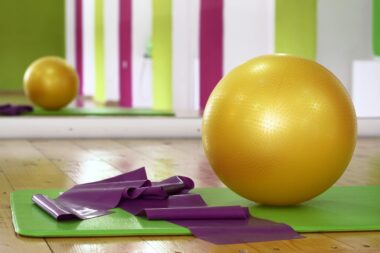
Incorporating variety into your workouts not only keeps things interesting but also challenges your core in different ways. You might want to consider adding props like **resistance bands**, **Pilates rings**, and **stability balls**. These tools enhance engagement and target various muscle groups more effectively. For example, using a stability ball can increase the demand on your abdominal muscles during certain static positions. Similarly, a Pilates ring can provide resistance and support during exercises. Ensure that you understand how to use each prop appropriately for the best outcomes. Using these tools can help elevate your Pilates practice to the next level.
Setting Realistic Goals
Setting clear and achievable goals is essential when customizing your Pilates workouts for different core strength levels. For beginners, a good starting point is to aim for consistency in practice, perhaps setting a goal to attend two to three classes each week. Intermediate practitioners might focus on enhancing skills or adding repetitions and modifying exercises to increase intensity. Advanced students, on the other hand, might aim to master challenging sequences and push their limits further. Tailor your goals to match not only your current ability but also your aspirations. This way, each small victory reinforces your commitment to your practice.
Recovery also plays a crucial role in your Pilates practice when focusing on core strength. Regardless of your experience level, your body needs time to heal after intense workouts. Rest days are vital for allowing muscles to recover, rebuild, and strengthen. Make sure to include stretches and perhaps gentle yoga sessions for relaxation, breathing, and flexibility. Hydration and proper nutrition should also be prioritized to support muscle recovery. Listening to your body can help you prevent unnecessary soreness and stiffness, ensuring your training remains enjoyable. In turn, this will allow you to maintain a consistent practice.
Finally, consider the guidance of a certified Pilates instructor when customizing your workouts. They can provide insights and modifications tailored specifically to your unique needs and goals. Instructors are trained to assess abilities and recommend the proper techniques based on a thorough understanding of each exercise’s demands. They can help with your alignment, ensuring you engage the correct muscle groups and avoid injury. Additionally, working with an instructor offers opportunities to explore various exercise methods, continuously expanding your repertoire. Having professional guidance can accelerate your progress significantly, making it an invaluable resource on your Pilates journey.
In conclusion, customizing Pilates workouts to align with different core strength levels effectively promotes progression and development. Individualized workouts tailored to your specific abilities will result in more substantial core strength and stability, which is essential not only for your Pilates practice but for daily living as well. By understanding your unique needs, setting achievable goals, incorporating a range of exercises and tools, allowing for adequate recovery, and seeking instruction when necessary, you can cultivate a rewarding Pilates practice. Stick to your routines and make adjustments as you improve, ensuring that your journey remains engaging and motivating.