
Can Excess Vitamin K Supplementation Be Harmful?
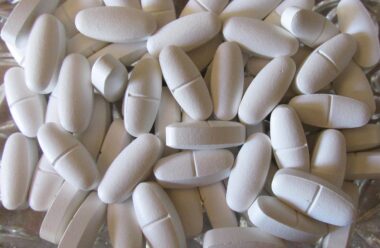
Vitamin K is essential for various bodily functions, particularly in blood clotting and bone health. However, supplementation may lead to adverse effects if taken excessively. Most adults receive adequate vitamin K from dietary sources, primarily leafy greens, which generally has a low toxicity profile. Despite this, taking synthetic vitamin K supplements can pose risks, especially at high doses or when combined with other medications like blood thinners. Excess vitamin K can interfere with anticoagulant drugs, increasing blood clot risks. Moreover, there are two primary forms of vitamin K: K1 (phylloquinone) and K2 (menaquinone), each with distinct roles and effects in the body. Therefore, understanding the type and dose is crucial in supplementation. Research indicates that healthy adults can tolerate amounts up to 100 micrograms daily, while higher doses should be approached with caution. It’s crucial for individuals considering supplementation to consult healthcare professionals. Monitoring vitamin D levels and ensuring a balanced intake of nutrients can guide effective supplementation strategies. In this article, we delve deeper into the potential harms associated with excess vitamin K supplementation. Always prioritize education on proper dosage and interactions when considering supplements.
The Role of Vitamin K in Health
Vitamin K plays a vital role in supporting several physiological processes. It’s primarily known for its contribution to blood clotting, which prevents excessive bleeding. Besides its blood coagulation function, vitamin K influences bone metabolism and cardiovascular health. Adequate levels can reduce the risk of fractures and improve bone density, showcasing its importance in maintaining skeletal health. Moreover, emerging studies suggest vitamin K might also benefit heart health by preventing calcium accumulation in blood vessels, reducing the risk of arterial stiffening. As people age, vitamin K deficiency becomes more prevalent, necessitating potential supplementation in certain populations. The elderly, individuals on specific medications, and those with absorption issues from gastrointestinal conditions may require increased intake. Observing dietary intake from sources like kale, spinach, broccoli, and fermented products replenishes vitamin K levels naturally. Strong evidence supports consuming foods rich in vitamin K, which enhances bioavailability compared to synthetic supplements. Therefore, before opting for high-dose supplements, consider adjusting dietary habits to meet your vitamin K needs effectively. A well-rounded diet should remain a priority for healthy aging and long-term health benefits.
Various factors contribute to the potential health risks associated with excessive vitamin K supplementation. One major risk is its interaction with anticoagulant medications like warfarin. Warfarin functions as a blood thinner by inhibiting vitamin K, so increased levels can diminish its effectiveness. This effect necessitates careful monitoring of dietary vitamin K intake for individuals on such medications. Additionally, little research exists defining a safe upper limit for high-dose vitamin K supplements, leading to uncertainty among professionals. Possible side effects may include nausea, diarrhea, and abdominal discomfort, although severe reactions are less common. Individuals may also experience allergic reactions of varying severity, depending on their sensitivities to specific supplement formulations. Furthermore, those with liver or kidney conditions must exercise caution, as these organs play significant roles in metabolizing vitamin K. Therefore, it’s essential to evaluate health status before incorporating high-dose supplements. More random controlled trials and studies are necessary to establish definitive guidelines regarding supplementation effects. Always consult healthcare providers before initiating or changing your supplement routine, prioritizing safety and informed decisions based on individual health profiles.
In assessing the safety of vitamin K supplements, consider the different formulations available. The synthetic forms, such as K3 (menadione), are not recommended for routine use due to safety concerns. Unlike natural forms (K1 and K2), synthetic variants may lead to more adverse effects. Natural vitamin K sources, derived from green leafy vegetables and fermented foods, have a favorable safety profile. The bioavailability of vitamin K varies significantly between food sources, affecting absorption and action in the body. Supplements containing whole food extracts may provide a better alternative for obtaining essential nutrients. This holistic approach minimizes the risk of excessive intake while ensuring adequate daily requirements for optimal health. Furthermore, food forms of vitamin K often come synergistically paired with other nutrients facilitating absorption and utilization. Therefore, transitioning to a whole-foods-first philosophy promotes balanced supplementation strategies. Engaging with professionals, like dietitians, can help create an effective personalized plan. As nutritional science evolves, staying informed on vitamin K supplementation through research and health guidelines empowers individuals to make educated decisions.
Signs of Excess Vitamin K Intake
Identifying the symptoms associated with excess vitamin K intake requires awareness of individual health responses. While most people can tolerate increased levels without any noticeable side effects, some individuals may experience symptoms indicative of over-supplementation. Common signs include gastrointestinal disturbances, such as nausea and bloating. Increased clotting activity in the body may lead to unusual bruising or prolonged bleeding, albeit less common. Those taking blood thinners may exhibit opposite effects, raising concerns over unstable anticoagulation. Additionally, allergic reactions can arise from ingredient sensitivities in supplement formulations affecting some individuals distinctly. Monitoring your body’s response to any new supplementation is crucial; regular testing of blood clotting metrics can help ascertain if levels fall within a safe range. People concerned about their vitamin K levels should prioritize having open discussions with their healthcare providers regarding any unusual symptoms. Remember that individual health varies significantly, and what may be suitable for one person can differ drastically for another. Awareness of personal thresholds and ongoing communication about health practices fosters an atmosphere of safety and informed decision-making.
Maintaining optimal vitamin K levels necessitates a comprehensive approach, including diet and lifestyle modifications. It starts with understanding which foods are abundant in vitamin K. Leafy greens, such as kale, spinach, and collard greens, serve as primary sources. Fermented foods, including natto and sauerkraut, also contribute significantly to overall vitamin K intake. Individuals seeking to enhance their vitamin K status should consider incorporating a variety of these foods into their diets to ensure adequate levels. When it comes to supplementation, always start with the lowest effective dose. Gradually increase intake only under professional supervision. Tracking dietary habits also provides insight into individual needs and potential deficiencies. Planning meals rich in vitamin K can provide the necessary nutrients without resorting to high-dose supplements. Emphasizing balance in nutrition—focusing on whole foods—will ultimately support overall health and well-being. Keeping track of vitamin K-rich foods and managing supplementation effectively can lead to favorable results. Support from healthcare professionals can guide optimizing vitamin levels while minimizing risks associated with excess intake.
Consulting Healthcare Professionals
Ultimately, the responsibility for health lies in the hands of each individual. While vitamin K may provide numerous benefits, understanding its supplementation is essential for safety. Consulting healthcare professionals, such as physicians, nutritionists, or dietitians, is crucial. These experts can provide personalized advice based on individual health profiles, needs, and medications. During consultations, sharing comprehensive information about current medications and health conditions allows professionals to offer more tailored advice. Open dialogue fosters a better understanding of one’s physiological requirements, ensuring that supplementation aligns with broader health goals. Regular follow-up appointments help monitor changes that may arise from supplementation, allowing any adverse effects to be promptly managed. Establishing a routine with healthcare providers means individuals can adjust their supplementation and dietary needs as required. Additionally, healthcare professionals can guide choosing high-quality vitamin K supplements. Therefore, ensure to be proactive in healthcare monitoring and the management of nutritional intake. Emphasizing education around supplementation fosters responsible practices and safer outcomes. Ultimately, the key to balanced health lies in the integration of informed choices, education, and collaboration with healthcare providers.
In conclusion, understanding the complexities of vitamin K supplementation is vital for optimal health outcomes. Individuals must engage in discussions regarding risks and benefits with professionals before commencing any supplement regimen. As nutrients serve critical roles in maintaining bodily functions, discerning the appropriate dosage and necessity of supplementation stands paramount. When used carefully, vitamin K can indeed provide valuable support for various health needs. However, exceeding recommended doses may pose significant risks and adverse effects. Therefore, being vigilant about dietary habits, alongside smart supplementation choices, empowers individuals to take charge of their health. Prioritizing balanced nutrition lays the groundwork for comprehensive well-being while providing necessary support to bodily functions. Balancing the substantial benefits of vitamin K while being cautious of excess supplementation is essential in ensuring long-term health impacts. Always approach supplements with a mindset of caution, gathering information, and consulting experts for personalized guidance. By fostering a holistic health approach, individuals can better manage their vitamin intake while empowering themselves with knowledge towards a healthier lifestyle.